


Listen to the article
Iran-US Ceasefire Hangs in Balance as Deadline Approaches
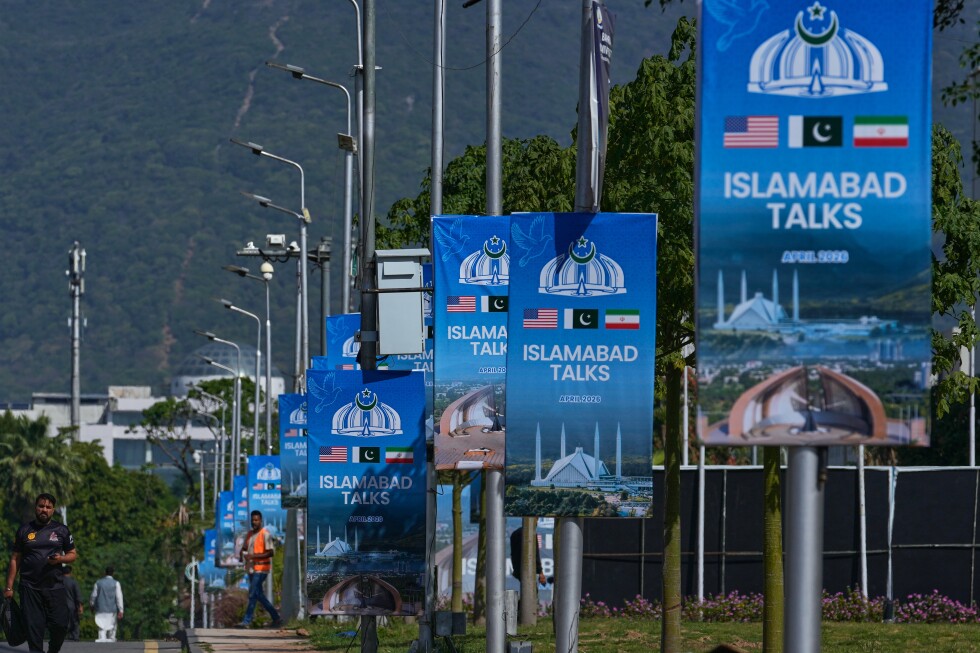
The fragile two-week ceasefire between Iran, Israel, and the United States is set to expire at midnight GMT Wednesday, with diplomatic efforts scrambling to prevent a return to hostilities. Pakistan’s capital Islamabad stands prepared for potential new negotiations between Tehran and Washington, though no official delegations have arrived yet.
The ceasefire, which began April 8 following multiple deadlines from U.S. President Donald Trump that at one point threatened Iran’s “civilization,” has broadly held despite some violations. However, recent incidents in the Strait of Hormuz signal that tensions remain dangerously high and a resumption of conflict remains possible.
Last weekend, Iran targeted ships in the strategic waterway, while U.S. forces attacked and boarded an Iranian vessel attempting to break through the American naval blockade. These actions underscore the volatile situation as the ceasefire deadline approaches.
The Strait of Hormuz, through which approximately 20% of global oil and natural gas supplies transit, effectively remains closed due to Iranian attacks and suspected mining operations. Tehran has reportedly been charging shipping companies as much as $2 million per vessel for safe passage, creating a powerful bargaining chip in ongoing negotiations.
The closure has sent shockwaves through global energy markets, with several countries implementing rationing measures and warning of jet fuel shortages. Reopening this critical maritime chokepoint has become a central focus of diplomatic efforts, representing Iran’s strongest leverage against Washington.
An earlier round of high-level talks held in Islamabad from April 11-12 marked a historic diplomatic breakthrough but ended without agreement. U.S. Vice President JD Vance participated in what became the highest-level direct negotiations between American and Iranian officials since the 1979 Islamic Revolution.
The White House has indicated that Vance would return to Islamabad “in the coming days” alongside envoys Steve Witkoff and Jared Kushner for a new round of discussions. Pakistani authorities have made preparations similar to those that accompanied the first meeting, suggesting another diplomatic summit may be imminent, though neither country has yet dispatched official representatives.
Among the most contentious issues remains Iran’s nuclear program. The country’s highly enriched uranium stockpile reportedly remains within Iranian territory, likely buried at enrichment sites bombed by U.S. forces during a 12-day military campaign last June. While Iran has not conducted enrichment activities since then, it maintains its right to pursue nuclear technology for peaceful purposes and denies seeking nuclear weapons.
President Trump, aligned with Israel, has demanded that Iran completely dismantle its nuclear program and surrender its uranium stockpile. Iran has firmly rejected this position in its 10-point proposal for ending the conflict, creating a significant obstacle to lasting peace.
The ceasefire negotiations face numerous other challenges, including questions about regional security arrangements, sanctions relief, and Iran’s support for proxy groups across the Middle East. Any comprehensive agreement would need to address these complex and interconnected issues.
As the deadline approaches, regional observers remain concerned that without tangible diplomatic progress, hostilities could quickly resume, potentially drawing in other regional powers and further destabilizing global energy markets already strained by supply disruptions.
The coming hours will prove critical in determining whether diplomacy can prevail or if the region will descend once again into dangerous military confrontation with far-reaching global implications.
Fact Checker
Verify the accuracy of this article using The Disinformation Commission analysis and real-time sources.

16 Comments
The situation in the Strait of Hormuz remains highly volatile, with reports of Iran targeting commercial shipping despite the ceasefire. This could disrupt the reliable supply of oil and gas from the Middle East, which would be felt across global commodity markets.
Careful diplomacy and conflict resolution will be essential to de-escalate tensions and ensure the free flow of energy resources through this strategic chokepoint.
The precarious ceasefire in the Iran-US conflict is worrying, with continued tensions and skirmishes in the Strait of Hormuz. This is a critical energy trade route, so any disruption could have significant economic implications worldwide.
Diplomatic efforts to extend the ceasefire and find a lasting solution are crucial to prevent a potentially devastating escalation in the region.
The situation in the Strait of Hormuz is concerning, with reports of Iran targeting commercial shipping despite the ceasefire. This could impact the reliability of Middle Eastern oil and gas exports, which would be felt across global commodity markets.
Careful diplomacy and conflict resolution will be essential to de-escalate tensions and safeguard the free flow of energy resources through this strategic chokepoint.
The situation in the Strait of Hormuz is alarming, with Iran apparently continuing to target commercial shipping despite the ceasefire. This raises concerns about the reliability of Middle Eastern oil and gas exports, which could impact global commodity markets.
Careful diplomatic maneuvering will be needed to de-escalate tensions and prevent a full-blown conflict that would disrupt vital energy trade routes.
The fragile ceasefire in the Iran-US conflict is a delicate balancing act, and it’s worrying to see continued skirmishes in the Strait of Hormuz. This strategic waterway is crucial for global energy supplies, so instability there could have far-reaching economic consequences.
Diplomatic efforts to extend the ceasefire and find a lasting solution are critical to avoid a potentially disastrous escalation in the region.
The fragile ceasefire in the Iran-US conflict is a delicate balance, and it’s concerning to see continued skirmishes in the Strait of Hormuz. This waterway is crucial for global energy supplies, so any instability there could have far-reaching economic consequences.
Diplomatic efforts to extend the ceasefire and find a lasting solution are critical to avoid a potentially disastrous escalation that could disrupt vital energy trade routes.
The situation in the Strait of Hormuz is alarming, with reports of Iran continuing to target commercial shipping despite the ceasefire. This could undermine the reliability of Middle Eastern oil and gas exports, which would impact global commodity markets.
Careful diplomatic maneuvering will be needed to de-escalate tensions and ensure the free flow of energy resources through this strategic chokepoint.
The precarious ceasefire in the Iran-US conflict is worrying, with reports of continued tensions and skirmishes in the Strait of Hormuz. This strategic waterway is critical for global energy supplies, so a return to hostilities could have major economic consequences.
Diplomatic efforts to extend the ceasefire are crucial to avoid a potentially disastrous escalation. The stakes are high, both geopolitically and economically.