


Listen to the article
The fate of American hostages detained in Iran has emerged as a critical diplomatic challenge amid ongoing regional tensions, according to experts familiar with the negotiations between Tehran and Washington.
Ryan Fayhee, attorney for Abdolreza “Reza” Valizadeh, one of six Americans currently held in Iran, emphasized that resolving these detentions should remain a priority during ceasefire discussions between the two nations.
“It is my job as Reza’s lawyer to make sure that it doesn’t get lost,” Fayhee told reporters. “While I have high confidence that this is part of the negotiations, even though the administration hasn’t stated so publicly… it is officially my job to make sure it remains part of those conversations.”
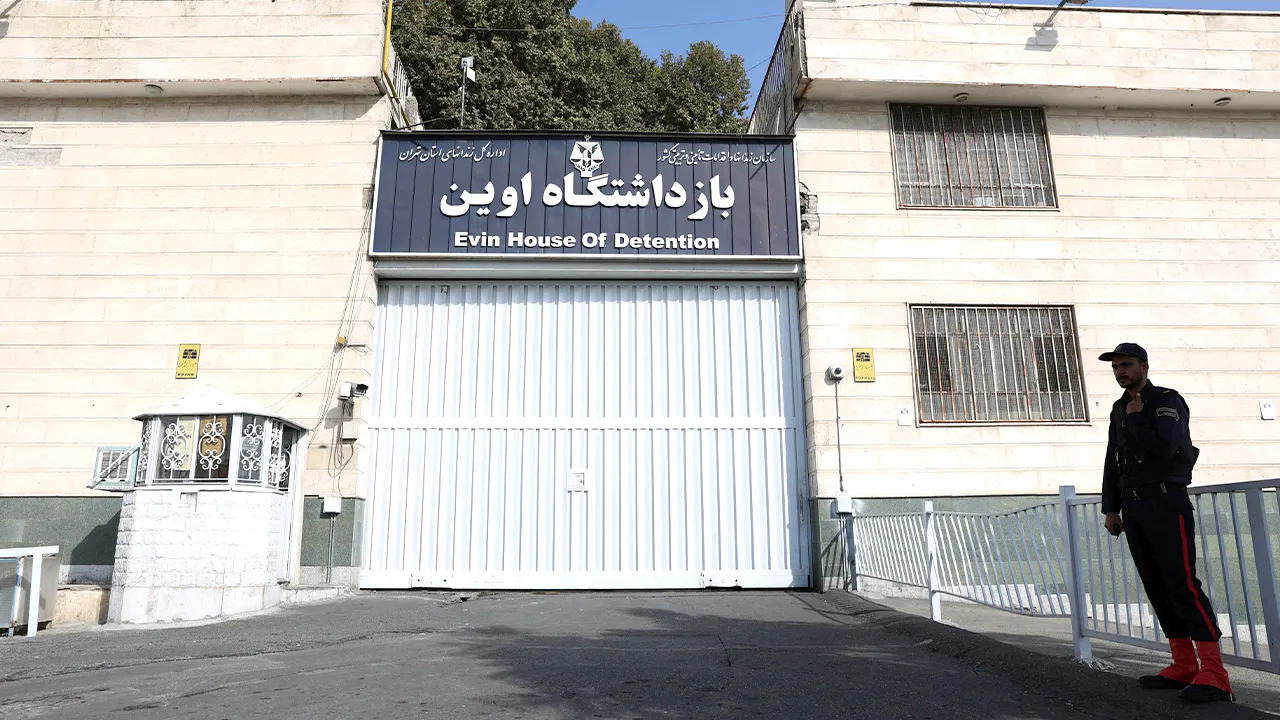
Iran is currently holding six American citizens, though only two have been publicly identified: 49-year-old Valizadeh and 61-year-old Kamran Hekmati. Both men hold dual Iranian-American citizenship and are being held in Tehran’s notorious Evin Prison, which has recently been mentioned in Israeli Defense Forces evacuation warnings amid regional airstrikes.
The situation is complicated by Iran’s refusal to recognize dual citizenship. “Despite Reza and Kamran Hekmati both being American citizens, the Iranians don’t recognize their American citizenship,” Fayhee explained. “For that reason, they don’t receive traditional consular services. And even if they did, we don’t have an embassy there.”
In February, the State Department formally designated Iran a “State Sponsor of Wrongful Detention” for its practice of arbitrarily arresting Americans to use as bargaining chips in negotiations. Secretary of State Marco Rubio condemned the practice at the time, stating: “For decades, Iran has continued to cruelly detain innocent Americans, as well as citizens of other nations, to use as political leverage against other states. This abhorrent practice must end.”
This designation provides additional diplomatic tools, including sanctions and travel restrictions, to pressure Tehran over these detentions.
The Biden administration has consistently called for the release of all Americans wrongfully detained abroad. A White House spokesperson recently stated: “President Trump has been clear that he wants every American wrongfully detained to be returned home safe and sound, and that there will be dire consequences for regimes who treat Americans as political pawns.”
Diplomatic efforts between the two countries have faced hurdles. A second round of talks scheduled to take place in Islamabad has stalled, with no clear path toward resolution of the broader regional conflict. President Donald Trump recently stated on social media that he felt “no pressure” to make a deal with Iran, though he predicted that “it will all happen, relatively quickly!”
Valizadeh’s case illustrates the political nature of these detentions. The journalist was arrested in September 2024 while visiting family and subsequently convicted of working with a “hostile government.” His previous reporting on Iran’s 2009 pro-democracy protests had already forced him into exile, after which he worked for Radio Farda, the Iranian branch of U.S. government-funded Radio Free Europe/Radio Liberty.
Roger Carstens, former U.S. Special Presidential Envoy for Hostage Affairs, has previously highlighted the particular challenges of negotiating with Iran compared to other adversarial nations. “Strangely, the Russians, the Chinese, the Taliban, and the Venezuelans — when you start getting into hostage discussions, they tell the truth, and they stick to what they promise,” Carstens noted. “The Iranians? Absolutely not.”
Despite these challenges, Fayhee remains cautiously optimistic about securing his client’s release. Iran’s increasing diplomatic isolation following missile strikes against neighboring Arab states and opposition from Western powers might create an opportunity for progress.
“It is the easiest problem on the table to solve, and both sides should acknowledge that,” Fayhee argued. “Both sides should focus on it because clearly they’re trying to build a relationship of trust in these negotiations, and this is the surest way to do that.”
He added: “The easiest thing Iran can do to show they’re genuinely interested in backing themselves out of this corner is to release these Americans. It is low-hanging fruit.”
Fact Checker
Verify the accuracy of this article using The Disinformation Commission analysis and real-time sources.

8 Comments
Resolving the issue of American detainees in Iran seems like a crucial diplomatic priority that shouldn’t get lost amid broader regional tensions. Ensuring this remains part of the negotiations is an important job for the lawyers involved.
Agreed, the fate of these dual-national citizens is a sensitive matter that requires delicate handling by both sides. Finding a mutually acceptable solution should be an attainable goal if the political will exists.
The Iranian government’s refusal to recognize dual citizenship certainly complicates matters for these American hostages. I hope their lawyers can make a strong case for their release, given the complex legal and diplomatic landscape.
Absolutely, the dual-citizenship issue adds an extra layer of complexity. But with skilled legal representation and diplomatic pressure, there may be room for a negotiated resolution that satisfies both countries’ interests.
The fate of these American hostages should absolutely remain a key part of the negotiations between Iran and the US. Resolving this longstanding issue could help build trust and set the stage for broader regional deescalation.
Agreed, progress on the hostage issue could unlock diplomatic breakthroughs on other fronts. Both sides have a strong incentive to find a mutually acceptable solution if the political will exists.
Holding American citizens hostage is a clear violation of international norms. Iran should release these detainees as a goodwill gesture and confidence-building measure, paving the way for further constructive dialogue.
Evin Prison’s notorious reputation is concerning. These American citizens deserve to be treated humanely and have their cases resolved in a fair and transparent manner. Their lawyers are right to keep this a priority in the talks.