


Listen to the article
AI-Animated Propaganda Videos Emerge as Digital Weapon in Middle East Conflict
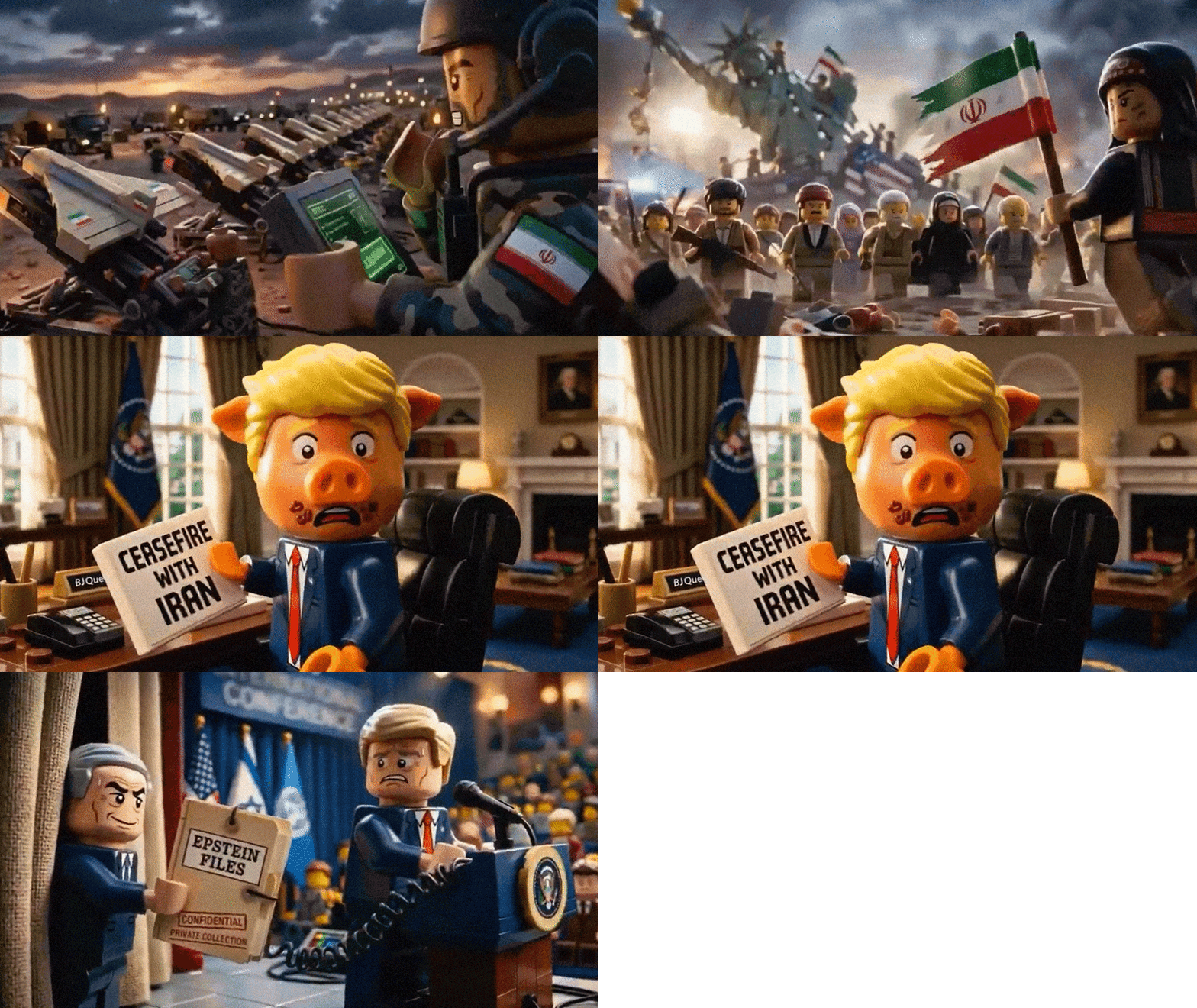
Iran-aligned AI studios have launched a digital propaganda campaign using Lego-style animation that has become a defining feature of the Middle East conflict’s information war. The slickly produced videos, which have garnered millions of views across social media platforms, depict President Donald Trump and Israeli Prime Minister Benjamin Netanyahu in unflattering scenarios with recurring themes and antisemitic undertones.
Set to American-style rap music and electronic dance tracks, these videos portray Trump as an angry, incompetent leader while Netanyahu is often depicted as a malevolent puppetmaster controlling U.S. foreign policy. Other recurring themes include alleged Epstein files cover-ups and Iran’s supposed superiority over the United States and Israel.
A representative known as “Mr. Explosive” from Explosive Media, the leading producer of these videos, recently revealed to the BBC that the Iranian government is a “customer” of their studio. This admission marks a significant shift from their previous claims of being entirely “independent.” The studio began creating these Lego-inspired videos in June last year and dramatically increased production following the outbreak of war between Iran and Israel in late February.
“Lego is a world language,” Mr. Explosive explained, suggesting that using stylized animation rather than actual war footage creates more palatable content for viewers. This approach has proven highly effective at spreading Iranian messaging beyond traditional channels.
The videos have achieved remarkable reach despite platforms like X, TikTok, and Facebook being officially banned or blocked within Iran. Their success comes from strategic distribution, with content being shared hundreds or thousands of times by various accounts ranging from independent news outlets and influencers to state-affiliated actors such as Russia Today and The Tehran Times.
Digital investigator Benjamin Strick notes that Iran’s propaganda strategy appears to be influenced by American tactics. “Iran’s probably being led a little bit by what the US is doing,” Strick observed, pointing to how the Trump administration has posted actual missile strike footage in gamified or comedic contexts to desensitize audiences and project an image of imminent victory.
“It’s the shareability as well,” Strick adds. “People like me or you, we might post and say, ‘hahaha, look at this kind of jokey stuff that Iran’s doing’, but it shows that we’re still engaging.”
This approach represents a significant departure from traditional Iranian propaganda, which typically featured patriotic music rather than adopting Western-style tracks designed to appeal to international audiences. According to Mr. Explosive, his small team of about 10 people writes lyrics and then uses artificial intelligence to make them more relevant to American culture and audiences.
The videos frequently incorporate antisemitic tropes, including portraying Netanyahu as bloodthirsty or manipulating U.S. policy decisions from behind the scenes. Tzvi Fleischer of the Australia Israel & Jewish Affairs Council condemns this aspect of the content: “Iran has been the world’s most important state sponsor of antisemitism for decades,” he says.
“The current videos’ obsessions with the US Epstein paedophilia scandal, and portrayal of bloodthirsty Zionist puppetmasters controlling Trump and the US, must be seen in the context of that ugly record,” Fleischer adds.
Mr. Explosive “strongly rejects” accusations of antisemitism, claiming the videos are merely anti-Zionist. He argues that depicting Netanyahu drinking blood is intended to “highlight the atrocities of the regime,” not to promote antisemitic stereotypes.
The videos remain readily accessible on major social media platforms, reaching global audiences despite their controversial content. The Lego Group has not responded to requests for comment regarding the unauthorized use of their distinctive aesthetic in these propaganda videos.
As digital battlegrounds increasingly shape public perception of global conflicts, these animated shorts demonstrate how modern propaganda has evolved to exploit viral sharing mechanics, pop culture references, and AI-enhanced production techniques to maximize impact across international audiences.
Fact Checker
Verify the accuracy of this article using The Disinformation Commission analysis and real-time sources.

16 Comments
The use of AI to create these propaganda videos is concerning, especially given the antisemitic undertones and the involvement of the Iranian government. It’s a stark reminder of the need for robust fact-checking and media literacy efforts to combat the spread of disinformation. We must remain vigilant and call out such blatant attempts to manipulate public opinion.
Absolutely. The use of technology, including AI, to produce and disseminate propaganda is a worrying trend that requires a strong response from the international community. Maintaining a commitment to truth and fact-based discourse is essential in countering these efforts to sow division and hatred.
Interesting use of AI to create propaganda videos, though the antisemitic undertones are concerning. I wonder how effective these videos are at influencing public opinion and what the overall goal of the campaign might be.
Yes, the use of AI for propaganda is quite disturbing. It’s important to be vigilant about the spread of misinformation and biased content, especially when it involves sensitive topics like politics and religion.
This is a troubling development, as the use of AI to create misleading and biased content can have serious consequences. I hope the international community closely monitors these propaganda efforts and takes appropriate action to counter them.
Agreed. Propaganda, especially when amplified through technology, can be a powerful and dangerous tool. It’s crucial that we remain critical consumers of media and fact-check claims, rather than allowing ourselves to be swayed by these types of videos.
The Iranian government’s involvement in this propaganda campaign is quite concerning. The use of AI to create misleading and biased content is a worrying trend that we must address. It’s crucial that we remain critical consumers of media and fact-check claims, rather than allowing ourselves to be swayed by these types of videos.
Agreed. The admission of Iranian government involvement is troubling and highlights the need for greater scrutiny of online content, especially when it comes to sensitive political and religious topics. Fact-checking and media literacy are essential in combating the spread of misinformation and propaganda.
This is a concerning development, as the use of AI to create propaganda videos with antisemitic undertones is deeply troubling. It’s crucial that we remain vigilant and call out such blatant attempts to spread disinformation and hatred, regardless of the source. We need to ensure that the international community takes appropriate action to counter these efforts.
Absolutely. The Iranian government’s involvement in this propaganda campaign is unacceptable. We must continue to expose and condemn the use of technology, including AI, to create and spread misleading and biased content. Maintaining a commitment to truth and fact-based discourse is essential in these challenging times.
The admission that the Iranian government is a customer of this studio is quite revealing. It’s clear that state-sponsored disinformation campaigns are becoming more sophisticated and pervasive, which is a concerning trend. We need to be vigilant in exposing and countering these efforts.
Absolutely. The use of AI to create propaganda videos is a worrying development, as it can allow for the rapid production and dissemination of misleading content. Fact-checking and media literacy will be crucial in combating the spread of this type of misinformation.
While I’m not surprised to see Iran using advanced technology for propaganda purposes, the specific allegations of antisemitism and biased portrayals of world leaders are quite troubling. This is a stark reminder of the need for robust fact-checking and media literacy education.
Yes, the use of AI to create propaganda with antisemitic themes is deeply concerning. We must remain vigilant and call out such blatant attempts to spread disinformation and hatred, regardless of the source.
The use of AI to create propaganda videos with antisemitic themes is deeply concerning. It’s a troubling trend that highlights the need for greater media literacy and fact-checking, as well as stronger regulation and oversight of the use of AI in content creation. We must remain vigilant in exposing and countering these types of disinformation campaigns.
I agree, this is a worrying development. The admission of Iranian government involvement is particularly alarming, as it suggests a coordinated effort to spread misinformation and propaganda. It’s crucial that we continue to call out and challenge these tactics, and work to promote truthful, fact-based discourse.