


Listen to the article
Netanyahu’s New Press Chief Admits to Creating “Fake News,” Sparking Controversy
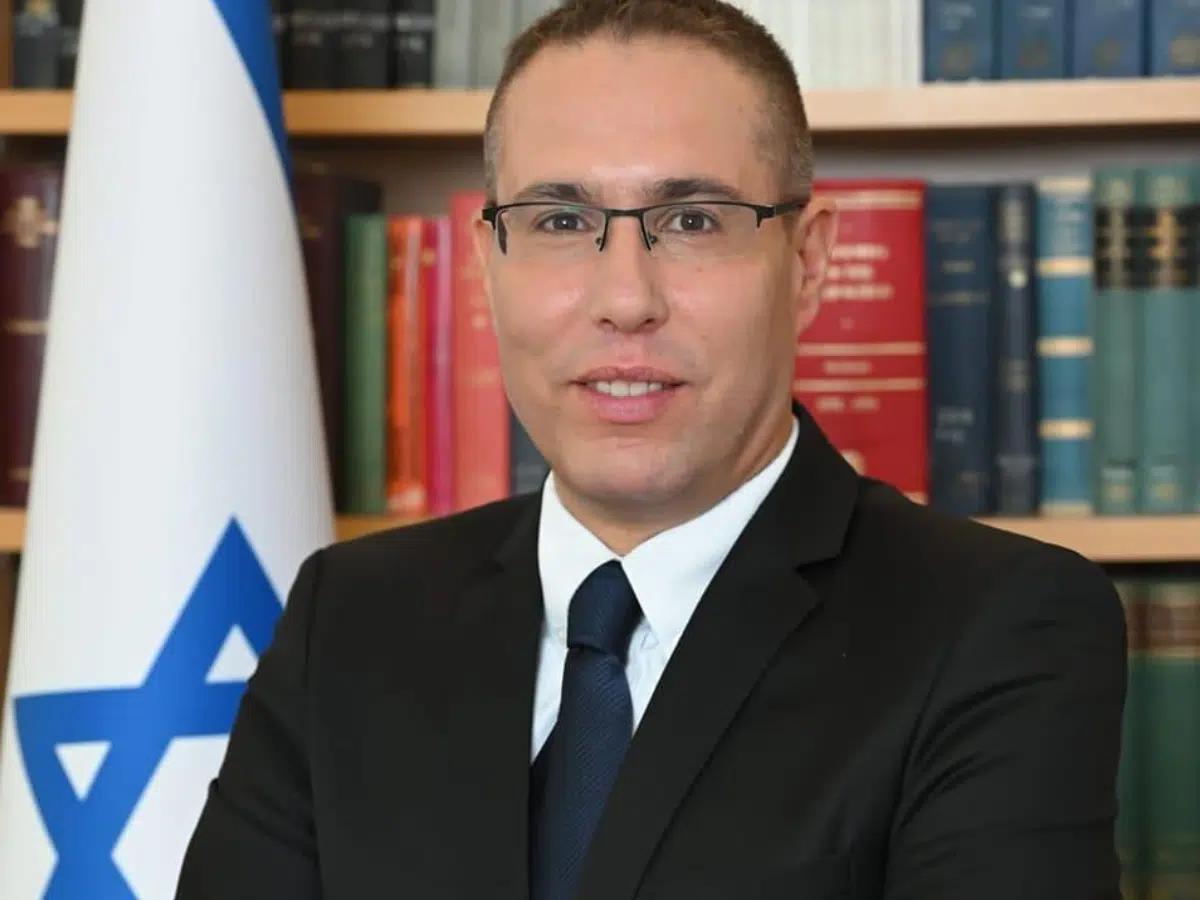
Eli Hazan, recently appointed to head Israeli Prime Minister Benjamin Netanyahu’s press office, has ignited controversy following the emergence of comments in which he reportedly admitted to “fabricating fake news” for propaganda purposes. The appointment marks a significant shift for Hazan, who previously managed communications for Netanyahu’s Likud party.
Speaking in Hebrew to supporters, Hazan suggested Israel should adopt communication tactics similar to former U.S. President Donald Trump, known for his contentious relationship with mainstream media and accusations of spreading misinformation. The remarks have raised concerns among media watchdogs about the Israeli government’s approach to public information during a time of heightened international scrutiny.
The transition comes at a critical juncture for Netanyahu’s administration, which faces mounting international pressure over its military operations in Gaza and growing domestic criticism. Political analysts note that Netanyahu’s choice of a self-described propagandist for such a sensitive position reflects the administration’s increasingly defensive posture in managing its public image.
Israel’s communication strategy has faced significant challenges in recent months, with several high-profile claims related to the October 7 attacks and subsequent military operations being questioned or debunked by international media organizations and human rights groups. Initial reports of widespread beheadings and sexual violence, while partially substantiated, were acknowledged to have been exaggerated in some Israeli government communications.
The Israeli government has also faced skepticism regarding justifications for strikes on medical facilities in Gaza, with changing narratives about Hamas command centers allegedly located within these structures. These inconsistencies have eroded credibility with some international observers and media outlets.
Critics argue that the appointment of Hazan signals a doubling down on controversial messaging strategies rather than addressing concerns about factual accuracy. Media experts point out that in conflict zones, information integrity is particularly crucial as misinformation can escalate tensions and complicate peace efforts.
The Israeli media landscape itself has undergone significant changes in recent years, with press freedom advocates noting increasing government pressure on journalists. The Foreign Press Association has documented numerous incidents of restrictions on international journalists attempting to report from conflict areas, while some Israeli reporters have faced public backlash for questioning official narratives.
Supporters of the government maintain that Israel faces unique challenges in conveying its security concerns to an international audience, particularly given the complexity of asymmetric warfare in densely populated areas. They argue that communication strategies must be understood within this context.
The controversy surrounding Hazan’s appointment reflects broader tensions between government messaging and journalistic scrutiny during times of conflict. Media experts emphasize that while strategic communications are expected from all governments, admissions of deliberate misinformation risk undermining democratic institutions.
International relations specialists suggest that the increasing polarization of media environments globally has created new challenges for all governments in maintaining credible public communications. However, they note that official admissions of fabricating information represent a particularly troubling development.
As Netanyahu’s administration continues to navigate complex security and diplomatic challenges, the appointment signals the prime minister’s prioritization of message control in an increasingly skeptical media environment. Whether this approach will strengthen or further erode Israel’s position in international public opinion remains to be seen.
For now, the controversy adds another dimension to the ongoing debate about information integrity in conflict reporting and the responsibilities of governments to provide accurate information to both their citizens and the international community during times of crisis.
Fact Checker
Verify the accuracy of this article using The Disinformation Commission analysis and real-time sources.

8 Comments
This is a worrying development that merits close scrutiny. The use of propaganda tactics, even in the past, raises serious questions about the government’s commitment to truthful and ethical communication. The public deserves better.
I’m curious to learn more about the specific propaganda tactics this individual has admitted to using in the past. What impact did those tactics have, and how will the public be assured that they will not be deployed again in this new role?
That’s a good point. The government should provide a full accounting of these past deceptions and outline concrete steps to prevent their recurrence. Rebuilding public trust will require more than just words.
It’s concerning to see a self-described propagandist given such a prominent position. The Israeli public deserves leaders who are committed to honesty and transparency, not those who have openly admitted to spreading falsehoods.
Absolutely. This move undermines the public’s trust in their government and could have far-reaching consequences for Israel’s international reputation and relationships.
While I understand the desire to shape the narrative, the use of misinformation goes against democratic principles. This appointment raises concerns about the integrity of the government’s communication strategy and its respect for press freedom.
This is a troubling development that raises serious questions about the Israeli government’s commitment to transparency and accountability. The use of propaganda tactics to shape public perception is concerning and could undermine trust in the country’s institutions.
Agreed. The public deserves open and honest communication from their elected leaders, not deliberate misinformation. This appointment sends the wrong message at a critical time.