


Listen to the article
US State Department Urged to Combat Foreign Propaganda on Social Media
In a timely directive that coincides with Iran’s viral anti-Western Lego videos gaining international traction, Secretary of State Marco Rubio has called upon US diplomats to actively counter foreign propaganda campaigns. In a recent cable, Rubio encouraged diplomatic staff to collaborate with military psychological operations experts, specifically highlighting the social media platform X as a critical battleground in this information war.
Russia, China, and Iran have long engaged in sophisticated information warfare against the United States, using social media to spread divisive content designed to undermine American interests and credibility worldwide. These efforts range from overt diplomatic messaging to covert influence operations targeting specific regions.
Russian diplomatic accounts regularly deploy sarcastic memes and responses to mock American positions. The Russian Embassy in the United Kingdom, for instance, posted a meme depicting a woman telling a police officer that “the Russians hacked my speedometer,” ridiculing accusations of Russian cyber interference. In another instance, the Russian Foreign Ministry sarcastically thanked the CIA for “promoting the Russian language” in response to a job advertisement.
Chinese diplomats adopted an aggressive “Wolf Warrior” approach on X beginning in 2017. Their tactics include attacking US disaster relief efforts, denying the Uyghur genocide, insulting world leaders, and spreading conspiracy theories, such as falsely claiming the US Army created COVID-19 and brought it to China.
Beyond these broad attacks, China has implemented more targeted operations. Recent campaigns aimed at Filipino audiences sought to undermine the US-Philippine alliance, while Latin American-focused content claimed US interference in Honduran elections. The impact of these campaigns remains difficult to measure, though some Chinese propaganda has achieved significant engagement.
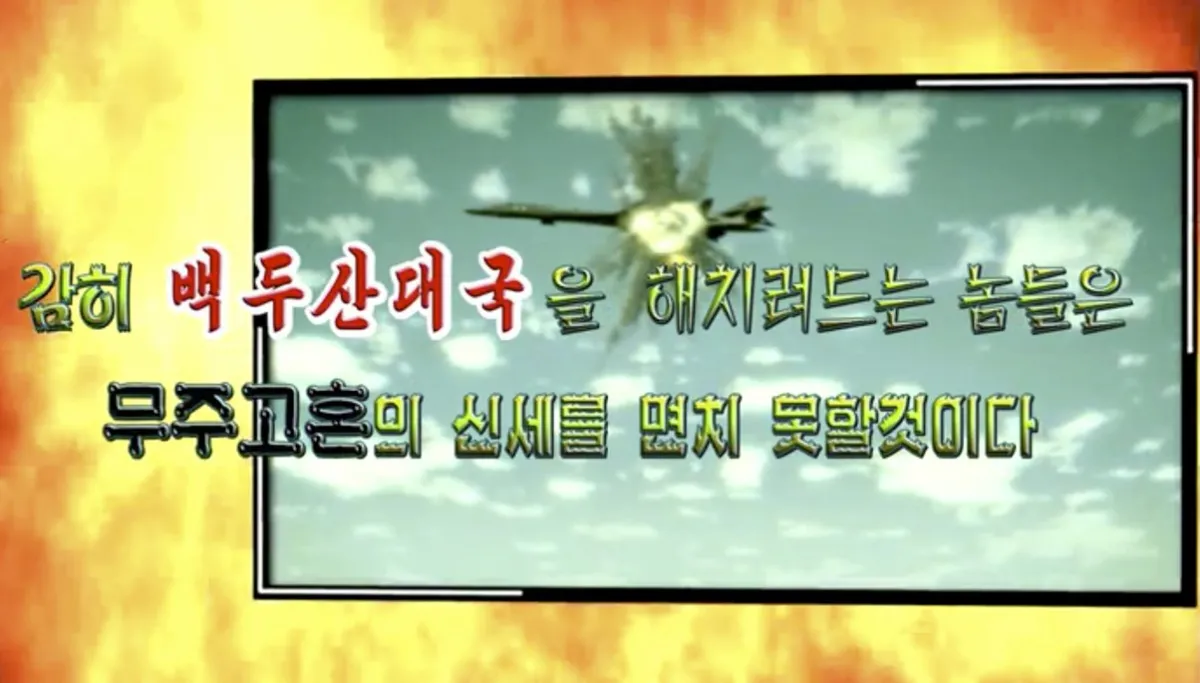
Iran has similarly launched sophisticated operations on X, including hackers posing as American Latinas using AI-generated images. The country previously established a network of fake news websites with associated X accounts targeting global audiences. During recent American and Israeli military actions against Iran, pro-Iranian accounts reportedly launched massive information campaigns across social media platforms, disparaging both countries and fabricating images of successful Iranian strikes.
The United States would not be pioneering this approach among Western nations. France’s Foreign Ministry launched “FrenchResponse” on X in 2023, an account specifically designed to combat disinformation through sarcasm and internet humor. A French spokesman described it as “another string to our bow” in defending French interests in the digital realm.
Experts suggest the US should follow France’s example, with embassies and ambassadors actively engaging with and debunking disinformation narratives. However, they emphasize that US information campaigns should not merely react to provocations but take offensive action by exposing what adversarial leaders attempt to hide. For example, US diplomats could highlight Russia’s reported extortion of its wounded soldiers or China’s real estate crisis and projected population decline.
The State Department’s capabilities in this arena were diminished when Congress eliminated the Global Engagement Center in 2024. Although a State Department spokesperson told the New York Times that efforts outlined in Rubio’s cable weren’t meant to replace the GEC, the directive indicates a need for similar capabilities.
The directive aligns with the existing charter of Voice of America and similar US government broadcasts. Critics argue that attempts by the current administration to shut down these broadcasts are counterproductive, suggesting that any legitimate critiques should be used to improve rather than dismantle these platforms.
While X remains important for reaching US and global English-speaking audiences, experts stress that the State Department must maintain presence on platforms popular in target countries, including Telegram, VK, Russia’s Max platform, WeChat in China, and potentially even Iranian platforms like Eitaa.
“America should not shy away from exposing the flaws in the corrupt autocratic systems of its adversaries through official diplomatic channels,” note Ivana Stradner, a research fellow at the Foundation for Defense of Democracies, and Max Lesser, a senior analyst on emerging threats at the FDD’s Center on Cyber and Technology Innovation. They argue that when China creates debt traps in developing countries or Russia supports warlords in Africa for resource access, “the world should be constantly reminded of these realities.”
Fact Checker
Verify the accuracy of this article using The Disinformation Commission analysis and real-time sources.

7 Comments
The use of sarcastic memes and divisive content by Russian diplomats is concerning. This type of information warfare can be highly effective at sowing discord and undermining public trust. Robust counter-messaging will be key to combating these influence operations.
Agreed. The US needs to rapidly evolve its strategic communications capabilities to keep pace with the creativity and agility of its adversaries on social media.
Kudos to Secretary Rubio for prioritizing this issue. Combating adversarial propaganda will require a sustained, multifaceted effort. I’m interested to see how the State Department plans to integrate military and civilian capabilities for maximum impact.
Interesting to see the US government taking a more proactive stance against foreign disinformation campaigns. Countering adversarial propaganda on social media is a crucial but challenging task. I wonder what specific tactics and strategies the State Department plans to employ.
The role of social media platforms in enabling the spread of foreign disinformation is a complex challenge. I wonder what kind of collaboration and partnership the US government envisions with tech companies to address this problem.
It’s good to see the State Department taking the lead on this issue. Countering adversarial propaganda is critical for protecting American interests and democratic values. I hope they can develop effective strategies that stay ahead of our rivals’ evolving tactics.
Propaganda and information warfare are serious national security threats that deserve a multifaceted, whole-of-government response. I’m curious to learn more about the specific diplomatic, military, and technological tools the US plans to leverage in this domain.