


Listen to the article
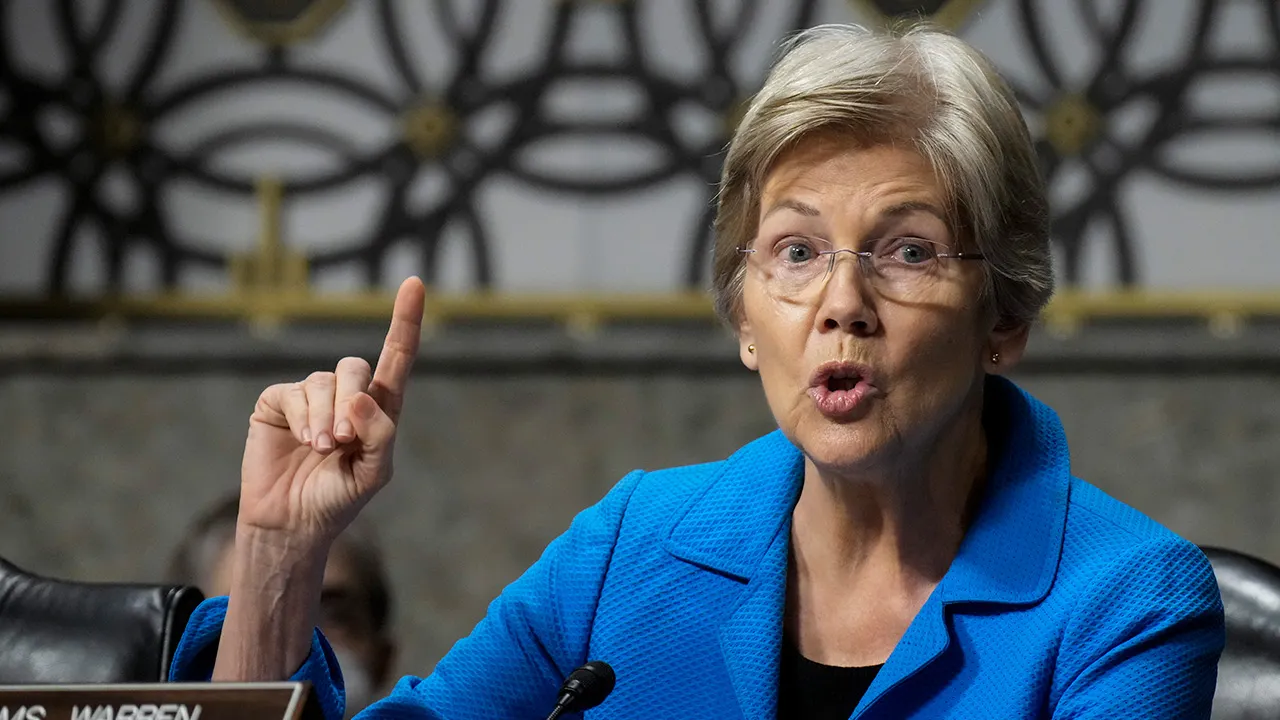
Senator Elizabeth Warren traveled to Maine this weekend to endorse Graham Platner in the state’s Democratic Senate primary, bringing national attention to a race that has exposed divisions within the Democratic Party.
“Graham is a combat veteran. He’s an oyster farmer, he is an organizer, and he is the person who is going to beat Susan Collins,” Warren told supporters at a campaign rally in Portland on Saturday. The Massachusetts senator praised Platner as her “kind of man,” recalling she first noticed him in an interview where he argued the system was “rigged” after the 2008 financial crisis because no bankers were jailed.
Warren’s endorsement highlights the growing progressive-establishment split within the Democratic Party. While Warren and Vermont Senator Bernie Sanders have thrown their support behind Platner, Senate Majority Leader Chuck Schumer and Michigan Governor Gretchen Whitmer have endorsed his primary opponent, two-term Maine Governor Janet Mills.
“Insiders who go along to get along are not going to hose the corruption out of Washington. We need Graham Platner to come in and get the corruption out of Washington,” Warren told rally attendees. She emphasized the need for “big, structural change” rather than “little change at the margins” to address what she described as billionaire control over the country.
The June 9 primary winner will face Republican Senator Susan Collins in November’s general election, a seat Democrats consider critical in their efforts to maintain Senate control.
Platner’s candidacy has been clouded by several controversies that the Mills campaign has leveraged against him. These include decade-old Reddit posts from 2013-2014 where he appeared to blame sexual assault victims and defended Hamas military actions. Perhaps most damaging has been scrutiny over a chest tattoo recognized as a Nazi symbol, which Platner has since apologized for and covered up.
“For those of you who have read these things and been offended, have read these things and seen someone that you don’t recognize, I am deeply sorry,” Platner said in an apology video released last year.
Critics have pointed to what they see as a double standard in Warren’s approach to tattoo controversies. In 2025, Warren condemned Department of War Secretary Pete Hegseth for his Christian tattoos, which include the Jerusalem Cross and the Latin phrase “Deus Vult” (“God wills it”). In a letter to Hegseth, Warren wrote: “We cannot have a Defense Secretary whose fellow service members feel concerned enough about to report as a potential insider threat.”
When questioned about Platner’s controversial past, Warren has downplayed the issues. “Look, he has apologized for that, and he’s out there talking to the people of Maine every single day,” she told HuffPost.
Platner is positioning himself as a Washington outsider fighting against establishment politics. At Saturday’s rally, he criticized the economic system, saying: “The money went somewhere, and it wasn’t down here. It was stolen from us, stolen from us in a system that was built by establishment politicians like Susan Collins.”
This Senate race has become a microcosm of broader tensions within the Democratic Party between its progressive wing, which favors bold structural reforms and anti-corruption messaging, and its more moderate establishment wing, which has generally backed candidates with more traditional political backgrounds.
The contest also reflects the party’s strategy heading into the midterm elections, with Democrats increasingly focusing on economic messaging and drawing contrasts with Republican policies under the Trump administration.
Maine voters will decide between Platner and Mills on June 9, determining who will challenge Senator Collins in what promises to be one of the most closely watched Senate races of the election cycle.
Fact Checker
Verify the accuracy of this article using The Disinformation Commission analysis and real-time sources.

5 Comments
This race highlights the ongoing tensions between progressive and establishment wings of the Democratic Party. It will be interesting to see how it plays out and if the eventual nominee can unify the party for the general election.
The mining and energy sectors are closely watched by many investors. I wonder how this political drama might impact commodity prices and related equities in the near term.
Good point. Political uncertainty can certainly create market volatility, especially in sectors like mining and energy that are sensitive to policy changes.
This is an interesting political story. While I understand Warren’s desire to back a progressive candidate, the candidate’s controversies are concerning. I hope the Democratic Party can find a unifying figure who can effectively take on the incumbent.
I agree, it’s a complex situation. Primary races often expose divisions within parties, but the general election is where unity is key to victory.