


Listen to the article
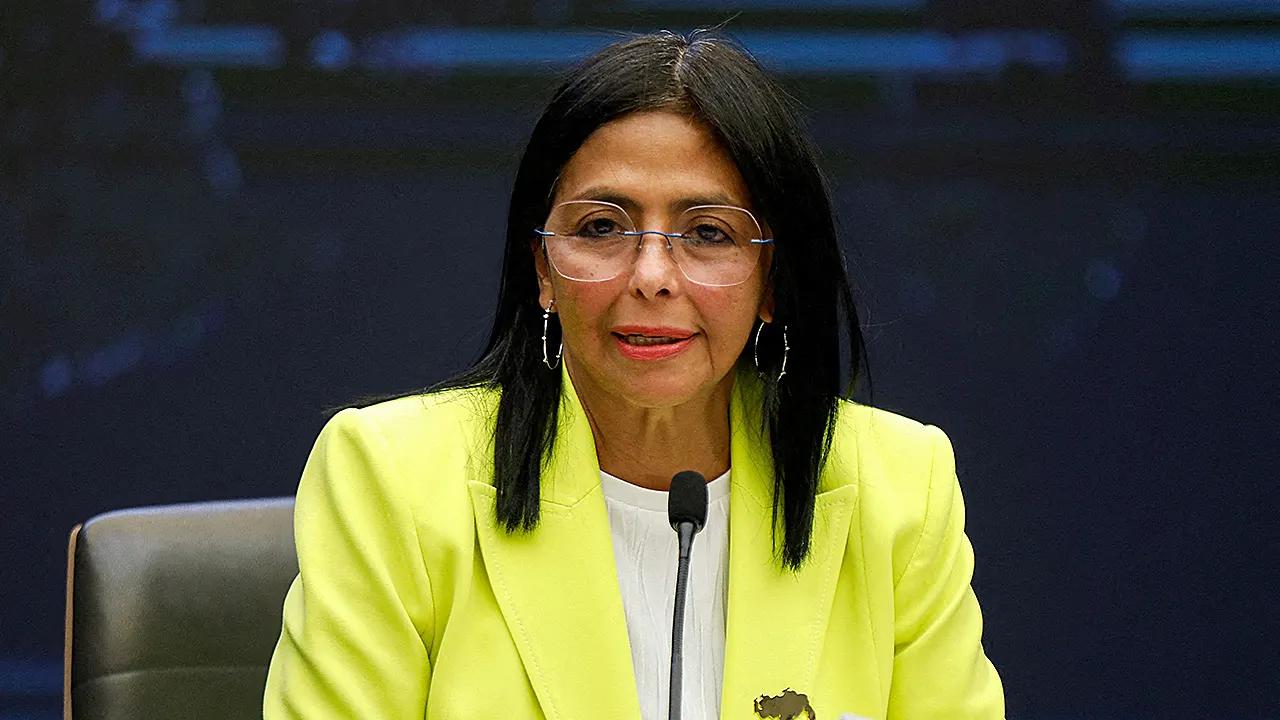
In the wake of Nicolás Maduro’s arrest and appearance in a New York courtroom on drug trafficking charges, Venezuela has appointed Delcy Rodríguez as interim president, a move that signals continuity rather than change in the troubled South American nation, according to a former Venezuelan official.
Rodríguez, 56, who previously served as Venezuela’s vice president and oil minister, was formally sworn in on Monday. Her brother, Jorge Rodríguez, who heads the National Assembly, administered the oath of office.
“The regime is still the same, and she hates the West,” the anonymous former official told reporters. “Really, Delcy has evolved from a mediocre lawyer, and now she’s the president of one of the richest nations in Latin America.”
President Donald Trump stated that Rodríguez stood “willing to do what we think is necessary to make Venezuela great again,” suggesting potential cooperation between the new Venezuelan leadership and the United States.
However, the former official painted a different picture, describing Rodríguez as part of a tight inner circle that has rotated through various government positions due to trust concerns. “She has probably been in every post, because they rotate the same persons as they don’t have anybody else that they trust. Delcy is a very close and trustworthy person for Maduro and was also the same for Chávez.”
Rodríguez’s political history is deeply rooted in Venezuela’s socialist movement. Born in Caracas, she is the daughter of Jorge Antonio Rodríguez, a Marxist guerrilla leader and co-founder of the Socialist League. Her father was arrested in connection with the 1976 kidnapping of American businessman William F. Niehous and later died in police custody.
“That ordeal is the foundation and the origin of Delcy’s hatred of the West and of democracy,” the source claimed. “Her whole background was Marxist.”
During her tenure as foreign minister, Rodríguez faced controversy over allegations that Venezuelan passports, birth certificates, and nationalities were illegally sold abroad. At the 2016 United Nations General Assembly, she denied these claims.
“There were some passports being sold in Iraq, and they were giving birth certificates to terrorists,” the former official alleged.
In 2018, the U.S. Treasury Department’s Office of Foreign Assets Control sanctioned Rodríguez, citing her role as a senior official in the Maduro government. These sanctions remain in place today, limiting her ability to engage with U.S. entities and restricting her travel to certain countries.
Rodríguez was also implicated in the so-called “Delcygate” scandal in 2020, after allegedly making a secret stop in Spain despite sanctions prohibiting her travel there. Reports claimed she was transporting gold into Europe, an accusation she has denied.
“She had 40 bags full of gold in a private jet as vice president,” the source alleged. “They put the bags through the X-ray, and they found the gold.”
The former official expressed concerns about foreign influence in Venezuela, describing the country as “an occupied territory by Iran, China, Russia, and Cuba,” and citing armed groups including FARC and ELN controlling large portions of the nation.
“Delcy is the interim, but all of these groups are part of the cohort from Chávez that came from communist mindsets against the West that she came from,” the source added.
Venezuela has been in political and economic crisis for years, with widespread poverty, food shortages, and mass emigration. Despite having the world’s largest proven oil reserves, mismanagement, corruption, and international sanctions have devastated the country’s economy.
The leadership change comes at a critical juncture, with Venezuela’s opposition claiming their candidate, Edmundo González Urrutia, won the July 28 presidential election despite official results declaring Maduro the victor. The United States had previously recognized opposition leader Juan Guaidó as Venezuela’s rightful president from 2019 to 2023.
“We now see the axis of evil in a geopolitical struggle three hours from Miami,” the former official warned. “There are atrocity crimes committed by all of this group, plus there’s kleptocracy and grand corruption, which is all still in place.”
Fact Checker
Verify the accuracy of this article using The Disinformation Commission analysis and real-time sources.

10 Comments
It’s concerning to see Venezuela’s new interim leader come from the same inner circle as the previous regime. Rodríguez’s history and perceived hostility towards the West raise doubts about the potential for meaningful reform.
While Trump’s comments suggest potential cooperation between the US and the new Venezuelan government, the former official’s perspective paints a more troubling picture. Rodríguez’s history and reputation as anti-Western are worrying signs.
I share your concerns. The transition appears to be more about preserving power than enacting meaningful change. Venezuela needs a clean break from the past to address its deep-seated problems.
Maduro’s arrest is a significant development, but Rodríguez’s appointment as interim president raises doubts about whether Venezuela is truly headed in a new direction. Her background and ties to the old guard are concerning.
Absolutely, the continued involvement of Maduro loyalists like Rodríguez suggests more of the same policies and leadership that have contributed to Venezuela’s economic and political crises.
It’s concerning to see Venezuela’s new leadership maintaining continuity with the previous regime, especially given Rodríguez’s reputation as anti-Western. Her past roles in the government raise questions about the true nature of the transition.
I agree, this doesn’t seem to signal the kind of change Venezuela needs. Rotating officials through different government positions due to trust issues is a worrying sign.
The continued involvement of Maduro loyalists like Rodríguez is a worrying sign. Venezuela needs a fresh start to address its economic and political crises, but this transition seems to be more about maintaining the status quo.
I agree. Rodríguez’s background and reputation as anti-Western suggest that the new leadership may not be willing to make the necessary changes to improve the situation in Venezuela.
This news highlights the complex and challenging situation in Venezuela. Rodríguez’s appointment raises questions about the country’s future direction and whether it will truly break from the policies of the Maduro regime.