


Listen to the article
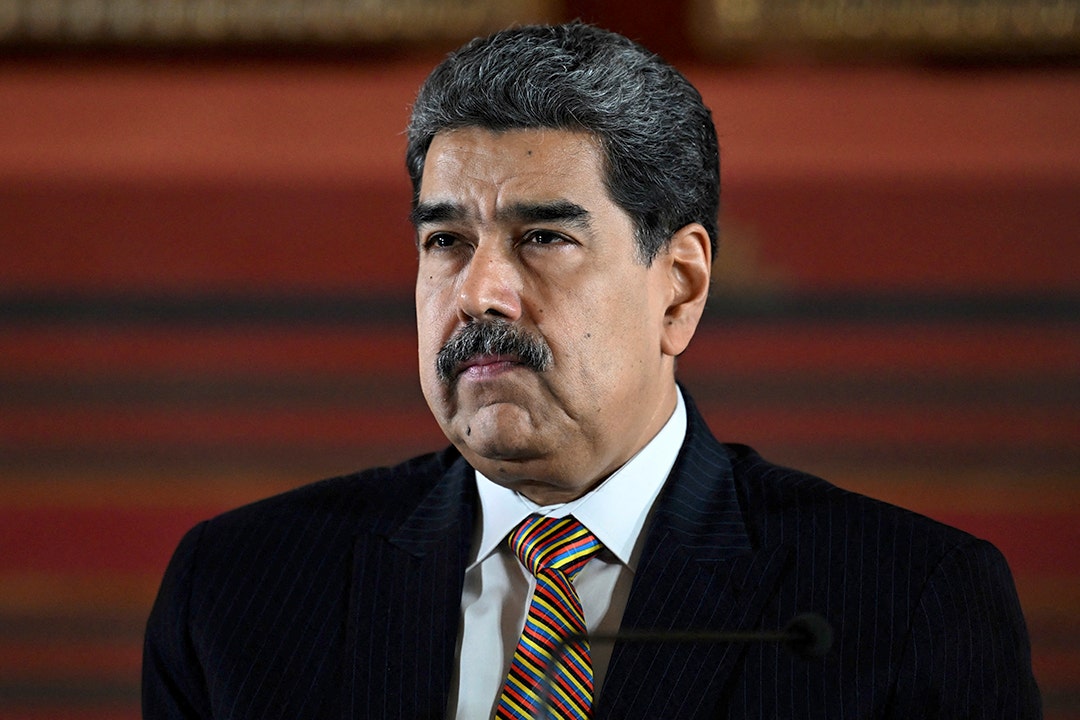
Venezuelan President Nicolás Maduro expressed willingness to negotiate with the United States on Thursday, suggesting his government is ready for talks after months of American military operations targeting drug trafficking networks allegedly connected to his administration.
In a pre-recorded interview with Spanish journalist Ignacio Ramonet aired on Venezuelan state television, Maduro indicated openness to discussion on multiple fronts, particularly regarding counter-narcotics cooperation.
“The U.S. government knows, because we’ve told many of their spokespeople, that if they want to seriously discuss an agreement to combat drug trafficking, we’re ready,” Maduro stated. “If they want oil, Venezuela is ready for U.S. investment, like with Chevron, whenever they want it, wherever they want it and however they want it.”
Chevron Corp. currently stands as the only major American oil company with authorization to export Venezuelan crude to the United States, operating under special licensing arrangements amid broader sanctions against the Maduro government.
The Venezuelan president’s comments come amid escalating tensions between the two nations. Maduro accused the United States of pursuing regime change in Venezuela and seeking control of the country’s vast oil reserves through what he characterized as intimidation tactics.
“It is clear the U.S. wants to impose themselves through threats, intimidation and force,” Maduro said in the interview, which was recorded on New Year’s Eve.
Coincidentally, that same day, the U.S. military announced a strike that killed five people aboard vessels allegedly operated by designated terrorist organizations involved in narcotics trafficking. This action represents part of an intensifying campaign that began in August with a significant U.S. military deployment to the Caribbean Sea.
Since early September, U.S. forces have conducted multiple operations against alleged drug-trafficking boats in the Caribbean and eastern Pacific, with reports indicating at least 114 casualties resulting from these actions. The campaign appears to be expanding, with indications of possible ground operations being contemplated.
President Donald Trump recently confirmed a strike targeting what he described as a Venezuelan port used for drug trafficking, though he declined to specify whether the U.S. military or another agency such as the CIA conducted the operation. When asked about this strike during the interview, Maduro avoided direct comment, saying only that he could “talk about it in a few days.”
The Trump administration has significantly ramped up pressure on the Maduro regime in recent weeks. Actions include ordering a total blockade of oil tankers entering or leaving Venezuela, designating Maduro’s government as a foreign terrorist organization, and accusing it of using stolen U.S. assets to fund terrorism, drug trafficking, and other illicit activities. U.S. authorities have also seized two ships carrying sanctioned Venezuelan oil.
Venezuela’s petroleum industry, once the backbone of its economy, has been crippled by years of mismanagement, corruption, and international sanctions. The country sits atop the world’s largest proven oil reserves, making it a potentially lucrative partner for international energy companies if political and legal barriers were removed.
Maduro’s overture for negotiations comes at a critical moment for Venezuela’s economy, which has suffered from hyperinflation, shortages of essential goods, and massive emigration. According to international organizations, over 7 million Venezuelans have fled the country since 2014.
The Biden administration will inherit this complex diplomatic situation when it takes office later this month, facing decisions about whether to maintain the Trump administration’s aggressive stance or pursue a different approach to addressing concerns about the Maduro government’s alleged involvement in narcotics trafficking and other illicit activities.
Fact Checker
Verify the accuracy of this article using The Disinformation Commission analysis and real-time sources.

12 Comments
While Maduro’s comments suggest a willingness to engage, the path forward remains uncertain. Maintaining a pragmatic, fact-based approach will be key as these discussions potentially unfold.
Maduro’s openness to negotiations is a notable shift, though the details and implementation will be critical. Navigating the sanctions and geopolitical dynamics won’t be easy, but dialogue is always preferable to escalation.
The potential for US investment in Venezuela’s oil sector is an interesting development, but it will be important to see how any deal would impact global energy markets and the broader political situation.
Cooperation on counter-narcotics efforts could be a productive area for the US and Venezuela to explore, though the history of mistrust means the process would need to be carefully managed.
The potential for US investment in Venezuela’s oil industry is intriguing, though the sanctions and political dynamics make it a challenging situation. Cautious optimism may be warranted here.
You raise a good point. Any business deal would need to carefully navigate the sanctions and political realities. It’s a delicate balance that requires skilled negotiation on both sides.
I’m curious to see how the US and Venezuela might collaborate on counter-narcotics efforts. Shared interests around stemming the flow of drugs could potentially bring the nations closer, if handled thoughtfully.
That’s a fair observation. Addressing the drug trade could be an area of mutual concern that both sides may be able to make progress on, even as other political issues remain unresolved.
Interesting to see Maduro signaling openness to negotiations with the US, especially around oil and drug trafficking. It’s a complex situation, but direct dialogue could help ease tensions between the nations.
Agreed, diplomacy is often the best path forward, even in difficult geopolitical circumstances. Let’s hope both sides can find common ground and productive ways to cooperate.
While the prospect of a US-Venezuela deal is intriguing, the history of tensions and mistrust between the nations suggests caution is warranted. Verifiable steps toward transparency and accountability would be key.
That’s a reasonable perspective. Any agreement would need robust verification mechanisms to build confidence and ensure commitments are upheld on both sides.