


Listen to the article
Venezuelan Citizens Express Mix of Relief and Uncertainty Following Maduro’s Removal
Following the ousting of Nicolás Maduro on January 3, Venezuelan citizens are navigating a complex emotional landscape marked by cautious optimism and lingering fear. After three decades of socialist rule that plunged the oil-rich nation into economic collapse, many Venezuelans are privately celebrating while publicly maintaining a careful silence.
The dictator’s capture and subsequent transfer to New York to face justice has created a power vacuum in a country long accustomed to authoritarian control. While initial celebrations erupted across Venezuela and among the nearly 9 million citizens living abroad, the mood has quickly shifted to a more subdued and cautious response.
“The world cannot fathom the joy we feel,” said Vera, a university professor who requested partial anonymity for safety reasons. “Maduro is in a federal prison in the U.S. with living conditions and rights that our political prisoners never had. For me, it is comforting to know he’ll spend the rest of his life behind bars paying for damaging the lives of millions of Venezuelans.”
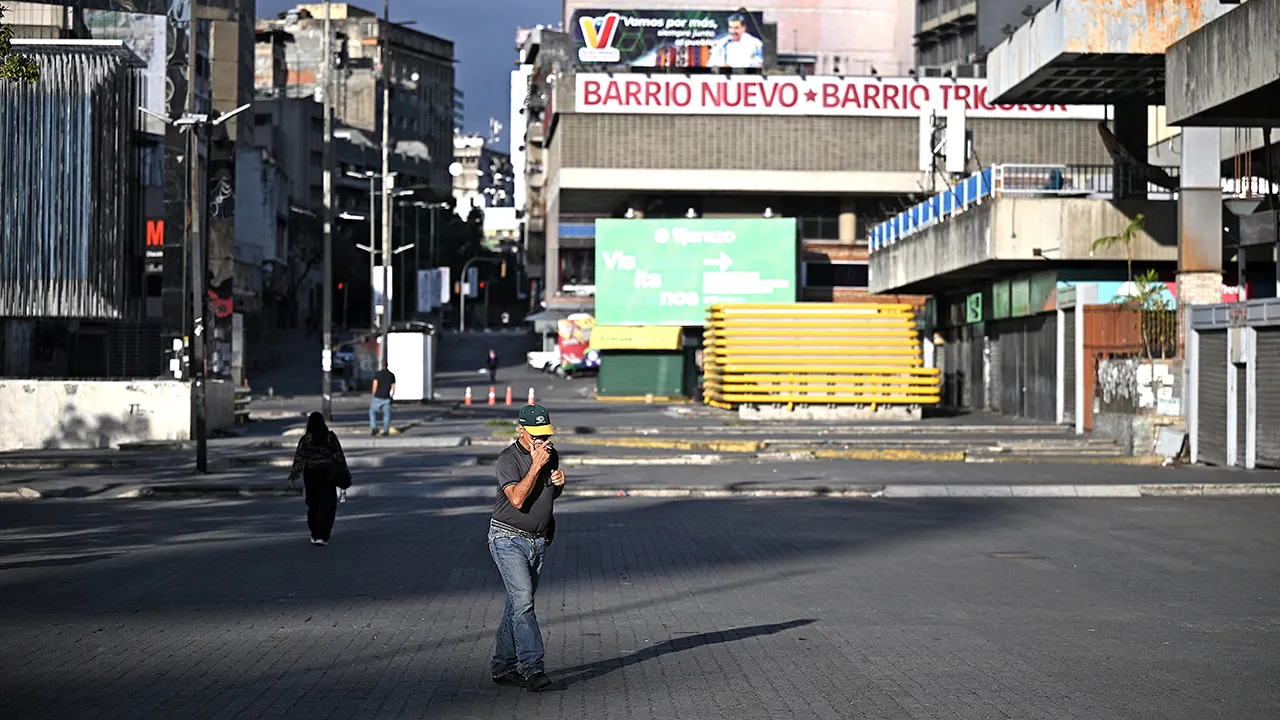
Despite this underlying relief, fear remains pervasive. The remaining government officials have issued decrees classifying any celebration of Maduro’s removal—including supportive text messages—as acts of treason. Law enforcement officers have established hundreds of checkpoints throughout Caracas and other regions, with authority to conduct random inspections of citizens and their phones. Those found in violation face immediate arrest without trial.
This climate of repression has created significant stress for ordinary Venezuelans. Jesús, a 23-year-old university student from a middle-class family in Caracas, describes navigating daily life amid heightened security measures.
“There are police cars and officers from the national, municipal, and local authorities stationed in every corner,” he explained. “Hundreds of checkpoints have sprung up across Caracas. In the first few days, there were also pro-government armed colectivos doing the rounds to capture and violently repress anyone expressing relief that Maduro was gone.”
The situation has forced citizens to develop strategies for avoiding security checkpoints and scrutiny, with people sharing information about checkpoint locations and warning others to delete potentially incriminating content from their phones.
Despite these challenges, many Venezuelans see opportunity in the current transition. Venezuela’s stock market has reportedly experienced record highs in both trade and value since Maduro’s removal, with some stocks increasing by nearly 20% in just days.
A business entrepreneur based in Caracas noted that the pragmatic business elite sees potential for a more normalized commercial environment. “There is a lot of hope that a more normal business environment will be created now that Maduro is gone,” he said, requesting anonymity due to fear of government reprisals. “This would be a better environment for private businesses and an enormous market ripe for renovated activity.”
The situation has created divergent perspectives among different demographic groups. Younger Venezuelans tend to express more hope about potential U.S. involvement in reshaping the Venezuelan economy, while older generations worry about property rights and the possibility of mandatory military drafts. Government officials and security forces who benefited from corruption under Maduro’s regime are understandably opposed to the change, while many military personnel reportedly express reluctance to defend the fallen regime.
Venezuela’s enormous natural resources—including one of the world’s largest extra-heavy oil reserves, along with significant gas, gold, and coltan deposits—remain a key factor in the country’s future. Many citizens acknowledge that U.S. interest in the country is not purely humanitarian but also economically motivated.
“The U.S. actions are not free, and we still need to see what the actual costs will be,” Vera noted. “I am very sorry that this happened in my country and would be lying if I said I agreed with foreign incursions, but I am also of the opinion that our own Armed Forces should have listened to the majority of the citizens in the 2024 elections.”
As Venezuela enters this uncertain new chapter, citizens remain caught between hope for positive change and concern about the immediate security situation. Economic recovery will likely be a medium-to-long term process, but many report a tangible sense of opportunity despite the challenges ahead.
Fact Checker
Verify the accuracy of this article using The Disinformation Commission analysis and real-time sources.

25 Comments
Interesting update on Venezuela’s Maduro Ousted, Citizens Cautious After Years Under Socialist Regime. Curious how the grades will trend next quarter.
Nice to see insider buying—usually a good signal in this space.
Uranium names keep pushing higher—supply still tight into 2026.
Uranium names keep pushing higher—supply still tight into 2026.
Good point. Watching costs and grades closely.
Good point. Watching costs and grades closely.
Exploration results look promising, but permitting will be the key risk.
If AISC keeps dropping, this becomes investable for me.
Good point. Watching costs and grades closely.
Good point. Watching costs and grades closely.
Interesting update on Venezuela’s Maduro Ousted, Citizens Cautious After Years Under Socialist Regime. Curious how the grades will trend next quarter.
Good point. Watching costs and grades closely.
Nice to see insider buying—usually a good signal in this space.
Nice to see insider buying—usually a good signal in this space.
I like the balance sheet here—less leverage than peers.
Good point. Watching costs and grades closely.
Good point. Watching costs and grades closely.
If AISC keeps dropping, this becomes investable for me.
Interesting update on Venezuela’s Maduro Ousted, Citizens Cautious After Years Under Socialist Regime. Curious how the grades will trend next quarter.
Good point. Watching costs and grades closely.
Interesting update on Venezuela’s Maduro Ousted, Citizens Cautious After Years Under Socialist Regime. Curious how the grades will trend next quarter.
If AISC keeps dropping, this becomes investable for me.
Silver leverage is strong here; beta cuts both ways though.
Good point. Watching costs and grades closely.
Good point. Watching costs and grades closely.