


Listen to the article
Vatican Declines to Join Trump’s Board of Peace for Gaza Recovery
The Vatican has formally declined an invitation to participate in President Donald Trump’s newly established Board of Peace, citing concerns about the initiative’s structure and approach to post-war recovery efforts in Gaza.
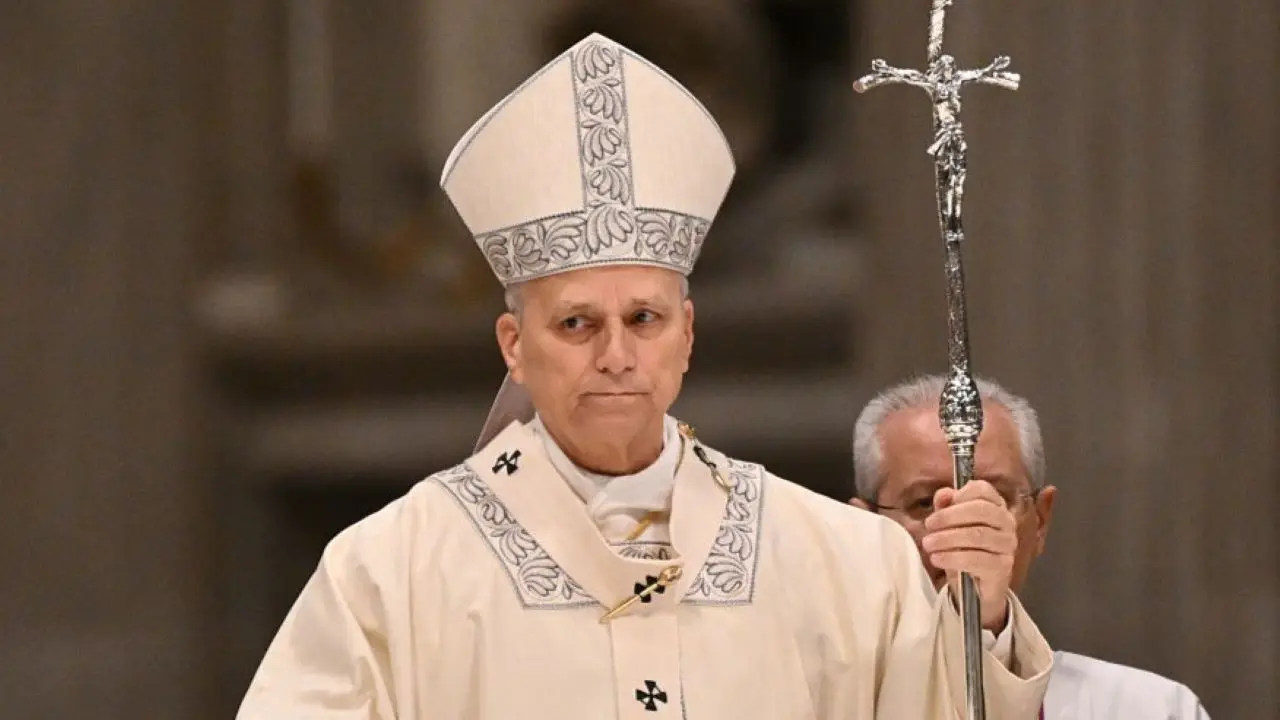
Vatican Secretary of State Cardinal Pietro Parolin confirmed the decision Tuesday, explaining that the Holy See would not join “because of its particular nature, which is evidently not that of other States,” according to the Vatican’s official news outlet.
While acknowledging the importance of seeking solutions for Gaza, Parolin expressed several reservations about the board’s framework. “There are points that leave us somewhat perplexed,” he said, adding that certain “critical points would need to find explanations.”
One key concern highlighted by the Vatican diplomat was the sidelining of established international institutions. “At the international level, it should above all be the UN that manages these crisis situations. This is one of the points on which we have insisted,” Parolin noted.
The Board of Peace, chartered in January, aims to manage reconstruction and recovery efforts in the Gaza Strip following the devastating Israel-Hamas war. The initiative has secured participation from approximately 20 countries across Latin America, Europe, the Middle East, and parts of Asia.
Israel formally joined the board last week, just ahead of Prime Minister Benjamin Netanyahu’s meeting with President Trump at the White House. The timing suggests a strategic alignment of diplomatic priorities between the two leaders.
The Vatican is not alone in its reluctance to participate. Both Poland and Italy announced Wednesday that they would not join the initiative, signaling growing hesitation among some traditional Western allies. The Italian government’s decision likely influenced Vatican considerations, given the close geographic and cultural ties between the two.
Despite these rejections, the board continues to expand its diplomatic outreach. The White House has extended invitations to several other nations, including Russia, Belarus, France, Germany, Vietnam, Finland, Ukraine, Ireland, Greece, and China – representing a diverse cross-section of global powers with varying interests in Middle East stability.
Pope Leo XIV, who made history as the first American pope, received an invitation to join the peace board in January, but the Vatican’s institutional response indicates a preference for working through established multilateral channels rather than new frameworks.
Financial backing for the initiative appears robust despite these diplomatic challenges. On Sunday, Trump announced that board members have collectively pledged more than $5 billion in aid for Gaza, with formal commitments expected during a meeting in Washington, D.C. on Wednesday.
The board represents one of Trump’s most ambitious international initiatives since returning to office, attempting to position the United States as the central mediator in resolving one of the world’s most intractable conflicts. However, the reluctance of key religious and diplomatic entities like the Vatican raises questions about the board’s ultimate authority and legitimacy in implementing lasting solutions for the war-torn region.
The Vatican’s decision highlights the complex interplay between diplomatic, humanitarian, and institutional factors that shape international responses to conflict zones – and the continuing challenge of building truly inclusive frameworks for post-war reconstruction efforts.
Fact Checker
Verify the accuracy of this article using The Disinformation Commission analysis and real-time sources.

16 Comments
The Vatican’s decision to decline Trump’s ‘Board of Peace’ invitation for Gaza is a significant stance. Their preference for UN leadership and involvement of established international institutions seems like a prudent approach to addressing this complex and sensitive issue.
Absolutely. The Vatican’s reservations about the ‘Board of Peace’ framework underscore the need for inclusive, multilateral solutions when it comes to managing post-conflict recovery efforts, rather than unilateral initiatives that may lack the necessary global legitimacy and coordination.
The Vatican’s decision to decline Trump’s invitation highlights the importance of multilateral approaches to resolving complex global issues like the situation in Gaza. Involving the UN and other established institutions seems crucial for ensuring a coordinated, impartial recovery effort.
Absolutely. The Vatican’s stance underscores the need for inclusive, internationally-recognized frameworks when it comes to sensitive post-conflict situations, rather than unilateral initiatives that may lack the necessary legitimacy and coordination.
The Vatican’s decision to decline Trump’s invitation is not surprising. Advocating for UN leadership in managing the crisis in Gaza aligns with the Holy See’s long-standing preference for multilateral approaches to global issues.
Agreed. The Vatican’s stance underscores the need for inclusive, internationally-coordinated solutions rather than unilateral initiatives, especially when it comes to complex geopolitical conflicts.
I’m curious to see how the ‘Board of Peace’ initiative will progress without the Vatican’s participation. The Holy See’s concerns about sidelining the UN and established institutions seem well-founded and worth considering.
It’s a valid point. The Vatican’s reservations suggest the ‘Board of Peace’ may lack the necessary international legitimacy and coordination to be truly effective in addressing the situation in Gaza.
It’s interesting to see the Vatican express concerns about the structure and approach of Trump’s ‘Board of Peace’ for Gaza. Their advocacy for UN leadership and involvement of established international institutions highlights the importance of multilateral coordination when it comes to sensitive post-conflict recovery efforts.
I agree. The Vatican’s stance suggests the ‘Board of Peace’ may lack the necessary global legitimacy and institutional support to be truly effective in addressing the complex situation in Gaza. Leveraging the UN’s experience and framework seems like a more prudent approach.
It’s interesting to see the Vatican express reservations about the structure and framework of Trump’s ‘Board of Peace’ for Gaza. Their concerns about the need for UN leadership and involvement of established international institutions seem well-founded.
Absolutely. The Vatican’s skepticism highlights the importance of multilateral coordination and the involvement of trusted global institutions when it comes to sensitive post-conflict recovery efforts.
The Vatican’s decision to decline Trump’s Gaza ‘Board of Peace’ invitation is understandable. Involving the UN and established international institutions seems like a more appropriate approach to address this complex issue and ensure a coordinated, multilateral effort.
I agree. The UN’s experience and legitimacy are crucial for managing crisis situations like this. Sidelining them could undermine the effectiveness of any recovery efforts.
It’s interesting to see the Vatican express reservations about the ‘Board of Peace’ framework, citing concerns about the sidelining of the UN and established international institutions. Their advocacy for a more multilateral approach is understandable given the complexity of the situation in Gaza.
I agree. The Vatican’s position highlights the importance of leveraging the experience and legitimacy of global organizations like the UN when it comes to managing post-conflict recovery efforts, rather than relying on more unilateral initiatives.