


Listen to the article
U.S. Warns Peru That Chinese-Controlled Port Threatens Sovereignty
The United States has issued a stark warning to Peru that China’s growing control over a major Pacific port could undermine the country’s sovereignty, highlighting escalating tensions over Beijing’s expanding influence in Latin America.
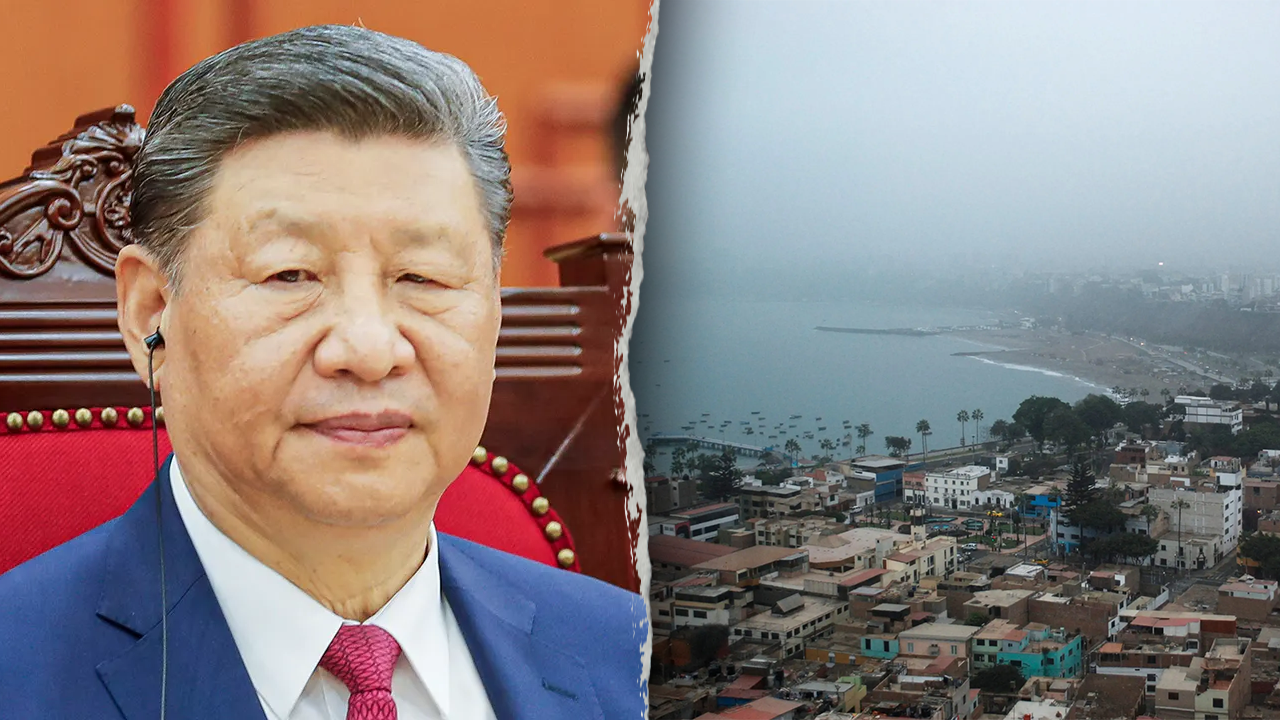
At the center of the dispute is the $1.3 billion deep-water port in Chancay, located north of Lima, which has become a flashpoint in U.S.-China relations following a Peruvian court ruling that limited government regulatory oversight of the project.
The State Department’s Bureau of Western Hemisphere Affairs expressed concern on social media about reports that “Peru could be powerless to oversee Chancay, one of its largest ports, which is under the jurisdiction of predatory Chinese owners.” The statement added: “We support Peru’s sovereign right to oversee critical infrastructure in its own territory. Let this be a cautionary tale for the region and the world: cheap Chinese money costs sovereignty.”
China’s foreign ministry quickly rejected these assertions, characterizing them as “rumor-mongering and smearing,” and insisted that the project remains under Peruvian authority, according to The Associated Press.
The strategic significance of the port extends far beyond Peru’s borders. Asia analyst Gordon Chang told Fox News Digital, “Chancay is so central that analysts say it will redirect trade across the South Pacific.” Chang emphasized Beijing’s view of ports as dual-use strategic assets, warning that “in times of war, China will not allow its port operations to load, unload, or service American ships or ships coming from or going to U.S. ports.”
Jack Burnham, senior analyst in the China program at the Foundation for Defense of Democracies, described the port as part of a broader strategic initiative by Beijing in Latin America. “The Chancay port is a keystone in China’s investment in Latin America — its size and proximity provide a bridge across the Pacific and access to another market to fuel Beijing’s export-driven economic engine,” Burnham explained.
“China’s investment in Peru is predicated on Beijing grasping the sinews of Lima’s critical infrastructure to gain influence,” Burnham added. “With effective control over the port cemented for now by a lower Peruvian court ruling, China gains access to one of the largest critical infrastructure projects in the region, a position from which it could exercise significant control.”
This dispute unfolds against the backdrop of intensifying competition between Washington and Beijing for influence throughout Latin America. China has systematically expanded its presence in the region through infrastructure projects, investments, and trade agreements over the past decade, challenging traditional U.S. dominance in what Washington has historically considered its sphere of influence.
China’s state-owned shipping giant Cosco, which holds a majority stake in the Chancay port project, dismissed U.S. concerns and maintained that the court ruling “in no way involves aspects of sovereignty.” The company emphasized that Peruvian authorities still retain oversight regarding security, environmental compliance, and customs operations at the port.
However, Peru’s transport infrastructure regulator, Ositran, has indicated it plans to appeal the ruling, arguing that the Chancay port should not be exempt from the same regulatory oversight applied to other major infrastructure facilities in the country.
The Chancay port dispute represents a microcosm of the broader geopolitical competition playing out across Latin America and other developing regions. China’s Belt and Road Initiative has delivered billions in infrastructure funding to countries seeking economic development, while the United States has increasingly warned of the potential long-term costs to national sovereignty and security.
As this particular case moves through Peru’s legal system, it will likely serve as a closely watched precedent for how countries in the region navigate the complex dynamics of accepting Chinese investment while maintaining regulatory control over critical infrastructure. The outcome could significantly influence future Chinese infrastructure projects throughout Latin America and shape the region’s geopolitical landscape for years to come.
Fact Checker
Verify the accuracy of this article using The Disinformation Commission analysis and real-time sources.

8 Comments
This highlights the delicate balance countries like Peru must strike between attracting foreign investment and safeguarding national interests. Careful oversight and regulation of strategic assets is crucial.
Absolutely. Peru will need to carefully weigh the potential economic benefits against the risks to its sovereignty. Transparent, rules-based governance of the port project is essential.
The US is right to raise this issue. China’s growing influence in Latin America is a geopolitical concern that warrants close scrutiny. Peru must protect its national interests in this case.
The US warning seems justified based on the reports. China’s growing economic clout is concerning, as it can be leveraged to undermine the sovereignty of developing countries. Peru must be vigilant.
I’m curious to learn more about the details of this port project and the legal/regulatory issues involved. It’s a complex geopolitical situation with high stakes for Peru’s national interests.
Yes, the tensions between the US and China over influence in Latin America add an extra layer of complexity. Peru will need to navigate this carefully to protect its sovereignty.
This is a concerning development. The US is right to warn Peru about the risks of Chinese control over critical infrastructure. Maintaining national sovereignty is crucial, even if lucrative foreign investments are enticing in the short term.
Agreed. Peru must carefully weigh the long-term implications of Chinese influence and ensure it can effectively oversee and regulate key assets like this port.