


Listen to the article
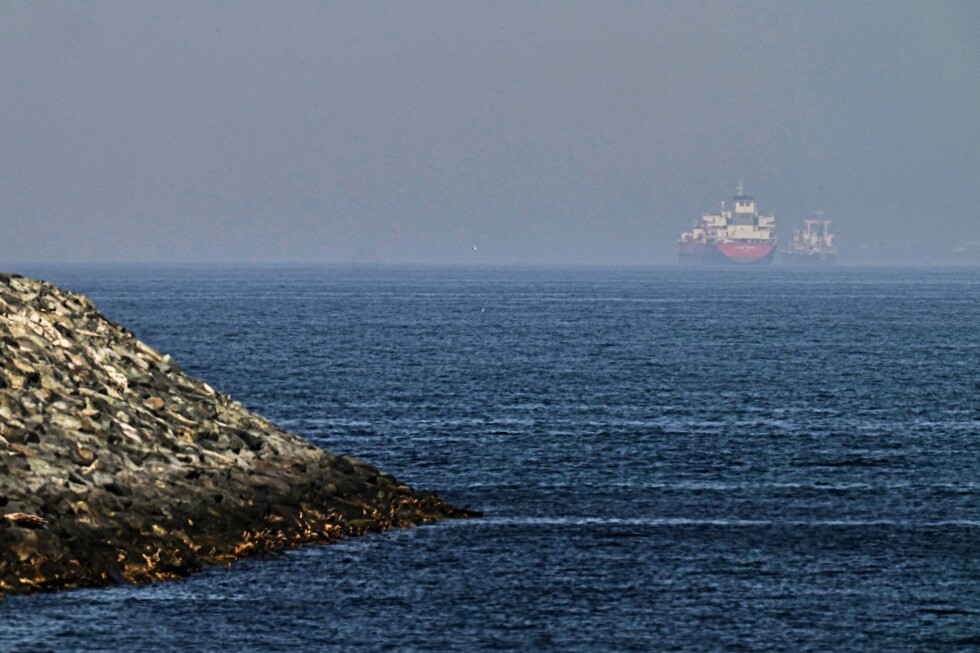
The U.S. military has denied Iranian claims of striking a Navy vessel as tensions escalate over shipping access through the strategic Strait of Hormuz. The denial comes as American forces launch a new initiative to guide commercial ships through the waterway, where hundreds of vessels have been stranded since the outbreak of hostilities.
Iranian news outlets, including the semiofficial Fars agency and the Iranian Labour News Agency, had claimed that Iran struck a U.S. vessel near an Iranian port southeast of the strait. According to these reports, the vessel was accused of “violating maritime security and navigation norms” and was allegedly forced to retreat.
In response to the shipping crisis, the U.S.-led Joint Maritime Information Center has advised vessels to navigate through Omani waters while crossing the strait. The U.S. military stated that its new initiative might involve guided-missile destroyers, over 100 aircraft, and 15,000 service members, though specific details about the nature of assistance remain unclear.
The shipping industry faces significant uncertainty about whether companies and their insurers will risk passage through the strait, given Iran’s history of firing upon ships in the waterway and continued threats to do so. Iran’s control over this crucial artery for global oil and gas supplies has provided Tehran with considerable strategic leverage in its conflict with the United States and Israel, allowing it to inflict economic damage despite military disadvantages.
President Donald Trump announced what he called “Project Freedom” on Sunday, framing the effort as a humanitarian mission to aid stranded seafarers. Many crew members aboard oil tankers and cargo ships trapped in the Persian Gulf since hostilities began have reported witnessing intercepted drones and missiles exploding overhead as their supplies of drinking water, food, and other essentials dwindle.
“We will guide ships out of the strait,” Trump declared, adding that any Iranian attempts to block these vessels “will, unfortunately, have to be dealt with forcefully.” This strong language has raised concerns about the potential collapse of the fragile ceasefire that has held for more than three weeks.
Iran has responded defiantly to the American initiative. The state-run IRNA news agency dismissed Trump’s “Project Freedom” as part of his “delirium.” More ominously, Iran’s military command issued explicit warnings on Monday. Major General Pilot Ali Abdollahi told state broadcaster IRIB, “We warn that any foreign military force — especially the aggressive U.S. military — that intends to approach or enter the Strait of Hormuz will be targeted.”
The maritime standoff has had far-reaching economic consequences. The disruption of the waterway has severely impacted countries in Europe and Asia dependent on Persian Gulf oil and gas, driving up prices for fuel, food, and other commodities well beyond the region. With midterm elections approaching, Trump has promised to bring down gas prices, suggesting political motivations behind the push to reopen the strait.
Meanwhile, the U.S. has maintained a naval blockade on Iranian ports since mid-April, intercepting 49 commercial ships and warning shipping companies they could face sanctions for paying Iran transit fees. This blockade has significantly impacted Tehran’s oil revenue, further straining its already troubled economy.
U.S. Treasury Secretary Scott Bessent highlighted the financial impact on Iran during a Fox News interview, noting, “They’ve gotten less than $1.3 million in tolls, which is a pittance compared to their previous daily oil revenues.” He added that Iran’s oil storage facilities are rapidly filling up, potentially forcing the country to shut down wells within days.
Diplomatic efforts continue amid the tensions. Iran has put forward a 14-point proposal that includes demands for the U.S. to lift sanctions, end the naval blockade, withdraw forces from the region, and cease all hostilities, including Israel’s operations in Lebanon. Iranian officials indicated they are reviewing the U.S. response, though Foreign Ministry spokesperson Esmail Baghaei suggested that changing demands were complicating diplomatic progress.
In what Pakistan described as a confidence-building measure, 22 crew members from an Iranian vessel previously seized by the U.S. were evacuated and flown to Pakistan. The Pakistani Foreign Ministry stated that the crew members, who had been aboard the Iranian container ship MV Touska, are expected to be transferred to Iranian authorities, while the vessel will be brought into Pakistani waters for repairs before being returned to its owners.
The ongoing maritime crisis represents a critical flashpoint that could either lead to renewed conflict or provide an opening for diplomatic resolution as both sides weigh their strategic options in the volatile region.
Fact Checker
Verify the accuracy of this article using The Disinformation Commission analysis and real-time sources.

6 Comments
This is an important development for global commodities and energy markets, given the Strait of Hormuz’s role as a major chokepoint. Maintaining the free flow of trade through the region will be crucial, though the challenges are significant.
The U.S. denial of Iranian claims about striking a Navy vessel is notable. With high tensions in the area, accurate information and transparency will be crucial to prevent miscalculation. I wonder what specific steps the new U.S. initiative involves to enhance security for commercial shipping.
This is a complex geopolitical situation with significant economic implications. The free and safe passage of vessels through the Strait of Hormuz is vital for global trade and energy supply chains. Both diplomatic and security measures will be necessary to address the challenges.
The U.S. military’s new initiative to guide commercial ships through the Strait of Hormuz is an interesting approach. I’m curious to see what specific measures they put in place and how effective they are at enhancing security and reassuring the shipping industry.
This situation highlights the importance of maritime security and freedom of navigation in the region. It will be important for all parties to exercise restraint and avoid further escalation that could disrupt vital trade flows. Careful diplomacy and de-escalation efforts will be key.
Interesting development in the ongoing tensions around the Strait of Hormuz. It’s a critical shipping chokepoint, so any disruptions can have major impacts on global trade and energy markets. Curious to see how the U.S. initiative to guide commercial vessels through the strait unfolds.