


Listen to the article
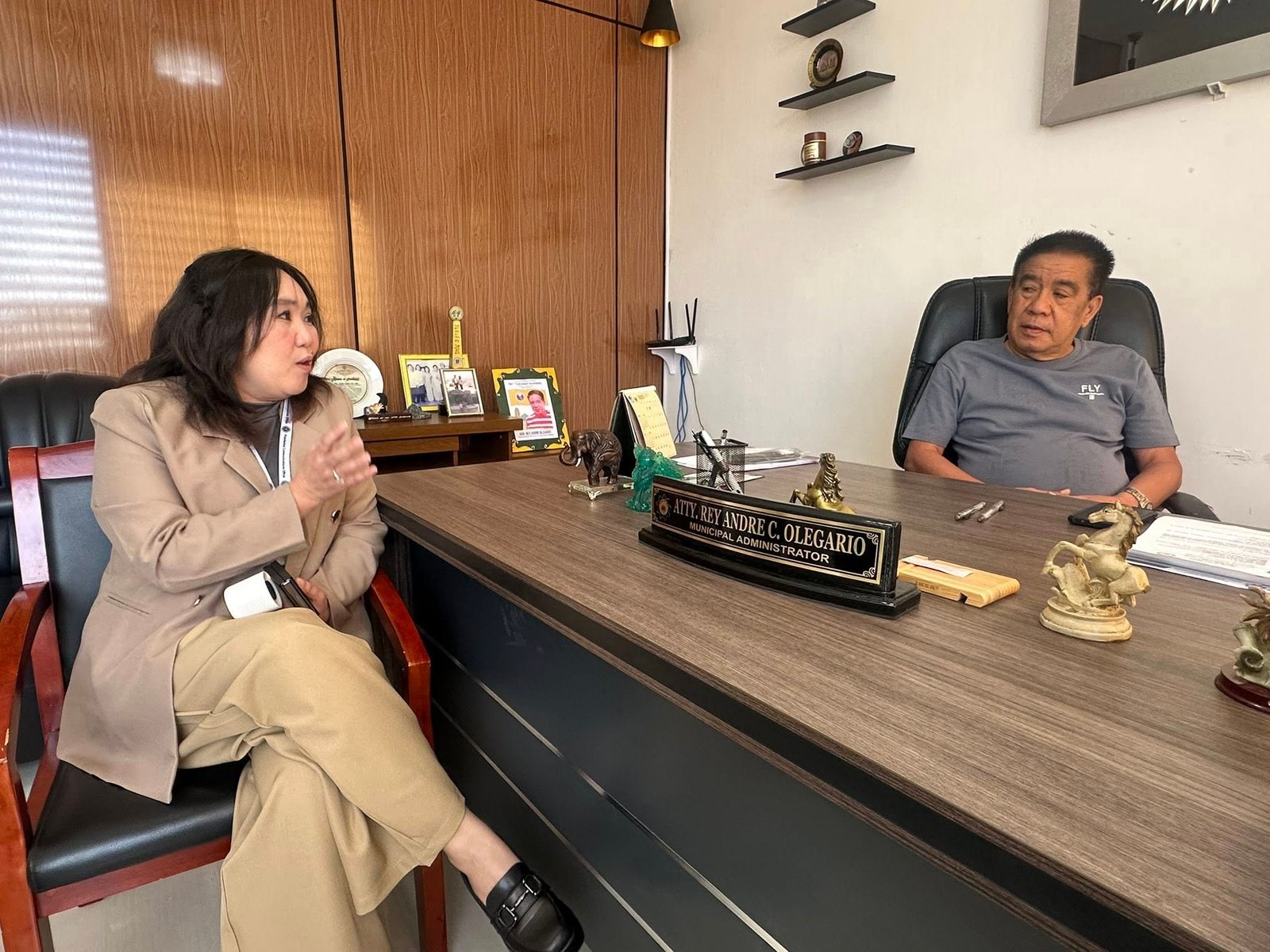
In the bustling municipality of Ipil in Zamboanga Sibugay, a groundbreaking initiative to combat misinformation has taken root, though challenges in implementation continue to hamper its full potential.
The Barangay Information Network (BIN), established in the community, represents a coordinated effort to ensure residents receive accurate, timely information while stemming the tide of fake news that has increasingly plagued local discourse. The network aims to create a reliable information pipeline from government agencies down to the grassroots level.
According to local officials, the BIN was conceived as a direct response to the proliferation of false information that has created confusion among residents, particularly during crisis situations and public health emergencies. The COVID-19 pandemic highlighted the critical need for such a system, when misinformation about treatments, vaccines, and government policies spread rapidly through social media channels and word-of-mouth.
“We realized that without an organized channel for verified information, our constituents were vulnerable to dangerous falsehoods,” explained a municipal officer involved with the program. “The BIN provides a structured approach to ensure accurate information reaches every household.”
The initiative designates information officers in each barangay who serve as the official conduits for verified news and announcements. These officers receive regular briefings from municipal authorities and are tasked with disseminating this information through community bulletin boards, house-to-house visits, and local assemblies.
Despite the promising framework, the BIN faces substantial hurdles that threaten its effectiveness. Chief among these is the lack of adequate funding. Many barangays report insufficient resources to maintain communication equipment, print materials, or compensate information officers appropriately for their time.
“We have the structure in place, but without proper financial support, our information officers can’t fulfill their responsibilities effectively,” said one barangay captain who requested anonymity. “Some are using personal funds to print announcements or travel to remote areas within their jurisdiction.”
The capacity gap presents another significant challenge. Many appointed information officers lack formal training in communications, fact-checking, and digital literacy—crucial skills for identifying and countering misinformation. While some basic orientation sessions have been conducted, comprehensive training programs remain limited due to budget constraints.
Digital infrastructure deficiencies compound these problems. In more remote barangays, internet connectivity is sporadic, making it difficult for information officers to receive timely updates from municipal authorities or verify information online. This technological divide creates an uneven implementation of the initiative across the municipality.
Media experts observing the program note that while the BIN represents an innovative approach to tackling misinformation at the local level, its success ultimately depends on sustained investment and capacity building.
“Community-based information networks can be powerful tools against misinformation, but they require proper resources and training,” explained Dr. Elena Santos, a communication professor at a nearby university who has studied similar initiatives. “Without addressing these fundamental needs, such programs risk becoming merely symbolic rather than truly effective.”
The challenges facing Ipil’s information network mirror broader issues across the Philippines, where local government units often struggle with limited resources while confronting complex problems like misinformation. The Philippines has consistently ranked among countries most affected by online misinformation, according to digital media monitoring groups, making effective local responses increasingly important.
Municipal officials report they are seeking partnerships with non-governmental organizations and potential donors to strengthen the program. Plans include developing a comprehensive training curriculum for information officers and exploring low-cost technology solutions to improve connectivity in remote areas.
Despite the obstacles, community feedback suggests the BIN has made modest progress in improving information flow. Residents report greater awareness of municipal services and policies, though concerns about misinformation persist, particularly regarding politically sensitive topics.
As digital platforms continue to evolve and misinformation tactics grow more sophisticated, initiatives like Ipil’s information network represent important testing grounds for community-based approaches to promoting information integrity. Their success—or failure—may offer valuable lessons for similar efforts across the Philippines and beyond.
Fact Checker
Verify the accuracy of this article using The Disinformation Commission analysis and real-time sources.

17 Comments
While the BIN faces capacity and funding challenges, its mission to provide accurate, timely information to local residents is crucial. Misinformation can have serious consequences, especially during public health emergencies.
You’re right, the lack of resources is a significant hurdle. I hope the program can secure the necessary support to expand its reach and impact in the community.
It’s encouraging to see communities taking proactive steps to address the challenges of misinformation. The Barangay Information Network’s focus on verified information from government sources is a smart approach.
The Barangay Information Network sounds like an important initiative to combat misinformation at the local level. Combating false information during public health emergencies is crucial to keep communities informed and safe.
I agree, having a reliable channel for verified information from the government is critical, especially in crisis situations when misinformation can spread rapidly.
It’s great to see communities taking proactive steps to address the challenges of misinformation. The BIN program seems like a valuable model that could potentially be replicated in other regions.
Absolutely, combating misinformation requires a coordinated, grassroots approach. The BIN’s focus on reaching residents directly is a smart strategy.
The Barangay Information Network’s mission to combat misinformation and ensure residents receive reliable information is commendable, despite the resource challenges it faces. Initiatives like this are essential to maintaining informed, resilient communities.
You’re absolutely right. Misinformation can have serious public health implications, so the BIN’s work is vital. I hope they can secure the necessary support to expand their reach and impact.
It’s encouraging to see local communities taking action to address the challenges of misinformation. The Barangay Information Network’s efforts to provide accurate, timely information are crucial, especially during public health crises.
The Barangay Information Network’s efforts to combat misinformation at the grassroots level are commendable. Reliable information channels are essential, especially during public health emergencies.
The COVID-19 pandemic has highlighted the urgent need for reliable information channels at the local level. The Barangay Information Network seems like a model worth studying and potentially replicating elsewhere.
Agreed, the pandemic has exposed the serious consequences of misinformation. Initiatives like the BIN are essential to combating the spread of false narratives.
Combating misinformation requires a coordinated, community-based approach. The Barangay Information Network seems to be a valuable model that could potentially be replicated in other regions.
I agree, the BIN’s focus on reaching residents directly with verified information is a smart strategy. Misinformation can have serious consequences, so initiatives like this are critically important.
While the BIN faces resource constraints, its mission to provide accurate, timely information to local residents is crucial. Misinformation can have serious public health implications, so this program is an important initiative.
You’re right, the lack of funding and capacity is a significant hurdle. I hope the program can secure the necessary support to expand its reach and impact in the community.