


Listen to the article
U.S. Military Strike Kills Three Suspected Narco-Terrorists in Eastern Pacific
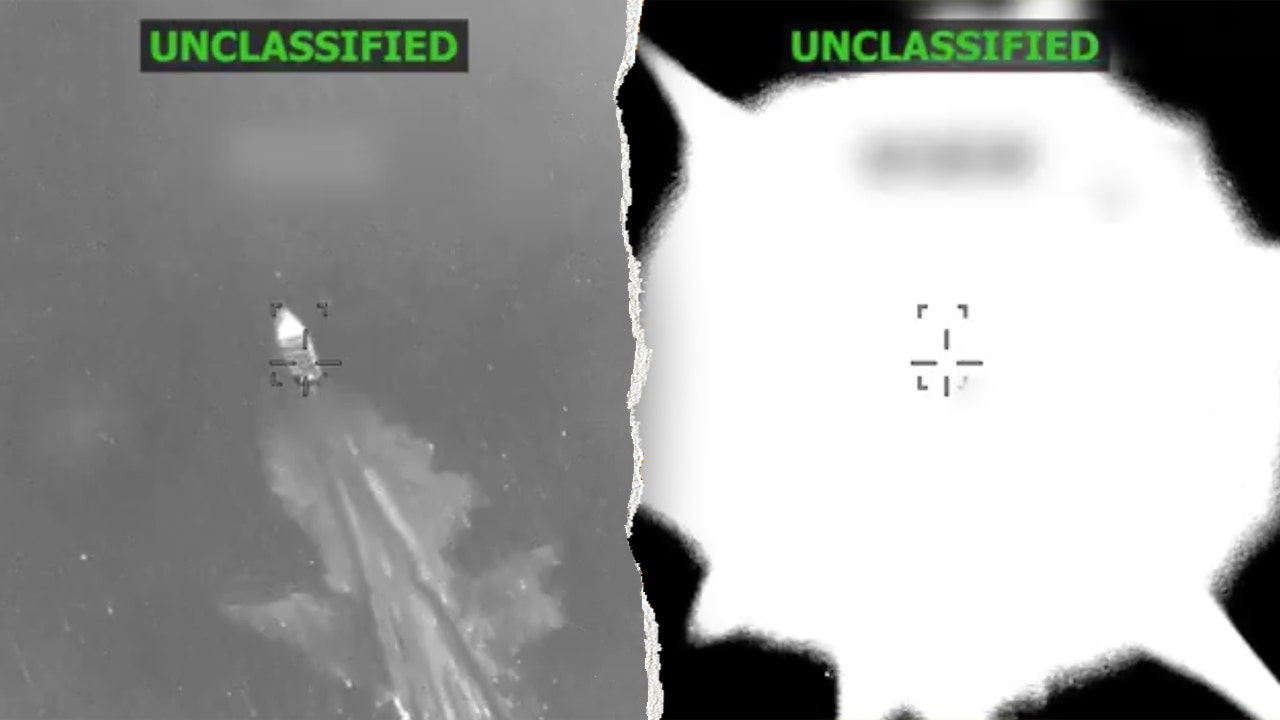
U.S. Southern Command (SOUTHCOM) announced Tuesday that it carried out a lethal strike against a vessel in the Eastern Pacific, killing three suspected narco-terrorists. The operation, conducted by Joint Task Force Southern Spear under the direction of Commander Gen. Francis L. Donovan, targeted a vessel traveling along known drug trafficking routes.
According to SOUTHCOM officials, intelligence confirmed the vessel was “transiting along known narco-trafficking routes in the Eastern Pacific and was engaged in narco-trafficking operations.” No U.S. service members were injured during the mission, though SOUTHCOM has not released further details about the identities of those killed.
This operation marks the latest in a series of aggressive counter-narcotics actions by U.S. forces in recent months. Just one day earlier, SOUTHCOM conducted a similar strike in the Caribbean that resulted in the deaths of two suspected drug traffickers. On April 24, another lethal strike in the Eastern Pacific killed two suspected narco-terrorists, and less than a week before that, three suspected narco-terrorists were killed during an operation in the Caribbean.
The Eastern Pacific corridor has long been a critical route for drug cartels moving narcotics toward the United States and Central America. Traffickers typically employ small, fast-moving vessels designed to evade detection by law enforcement and military patrols. These maritime routes are vital arteries for the multi-billion dollar drug trade that continues to fuel violence and instability throughout the region.
SOUTHCOM, which oversees U.S. military operations in Central and South America and the Caribbean, has intensified its counter-narcotics efforts as part of a broader campaign to dismantle cartel-linked trafficking operations. The command’s jurisdiction covers some of the most prolific drug-producing regions in the world, including Colombia, Peru, and Bolivia, where coca cultivation—the primary ingredient in cocaine—remains widespread.
These recent operations demonstrate a more assertive approach to interdicting drug shipments at sea before they can reach their destinations. Maritime interdiction represents a critical component of U.S. counter-narcotics strategy, as it targets drugs before they can be broken down into smaller shipments that become increasingly difficult to intercept once they reach land routes.
The U.S. military’s counter-narcotics operations occur against a backdrop of evolving cartel tactics and growing concern about the devastating impact of drug trafficking on communities throughout the Americas. Drug cartels have demonstrated remarkable adaptability in recent years, employing sophisticated equipment, communications technology, and transportation methods to move their products.
The Biden administration has continued many of the aggressive counter-narcotics policies implemented during previous administrations, recognizing the persistent threat that drug trafficking poses to regional stability and U.S. national security interests. These operations reflect the ongoing commitment to disrupting the flow of illegal narcotics and weakening the financial networks that support criminal organizations.
SOUTHCOM’s increased operational tempo coincides with its recent launch of an autonomous warfare command designed to deploy unmanned systems across Latin America, signaling a technological evolution in how the U.S. military conducts counter-narcotics missions in the region.
As these operations continue, questions remain about their long-term effectiveness in reducing the overall flow of narcotics and the role of military force in addressing what many experts characterize as both a public health and law enforcement challenge. Nevertheless, SOUTHCOM appears committed to maintaining pressure on trafficking networks operating in the Western Hemisphere’s maritime domains.
Fact Checker
Verify the accuracy of this article using The Disinformation Commission analysis and real-time sources.

6 Comments
Disrupting drug trafficking is a priority, but I hope the military is exercising extreme caution and verifying targets to minimize unintended harm. These types of strikes carry major risks and should only be undertaken with clear justification and rules of engagement.
It’s good to see the US military taking action against suspected narco-terrorists, but the details around these strikes raise some red flags. Transparency and accountability will be crucial to ensure these operations are lawful and proportionate.
These operations to target suspected narco-terrorists are certainly high-stakes. While I understand the need to combat illicit drug trade, it’s important that due process and rules of engagement are closely followed. Civilian casualties must be avoided at all costs.
You raise a good point. Transparency around these missions and ensuring lawful, proportionate use of force will be crucial. Hopefully SOUTHCOM provides more details to address any concerns.
The uptick in counter-narcotics operations in the region is concerning, but also understandable given the scale of the illicit drug trade. I just hope these strikes are being carried out with rigorous intelligence and safeguards to protect innocent lives.
Seems like the US military is getting aggressive in disrupting drug trafficking operations in the region. I wonder what prompted this uptick in counter-narcotics actions. Curious to learn more about the intelligence and strategic considerations behind these strikes.