


Listen to the article
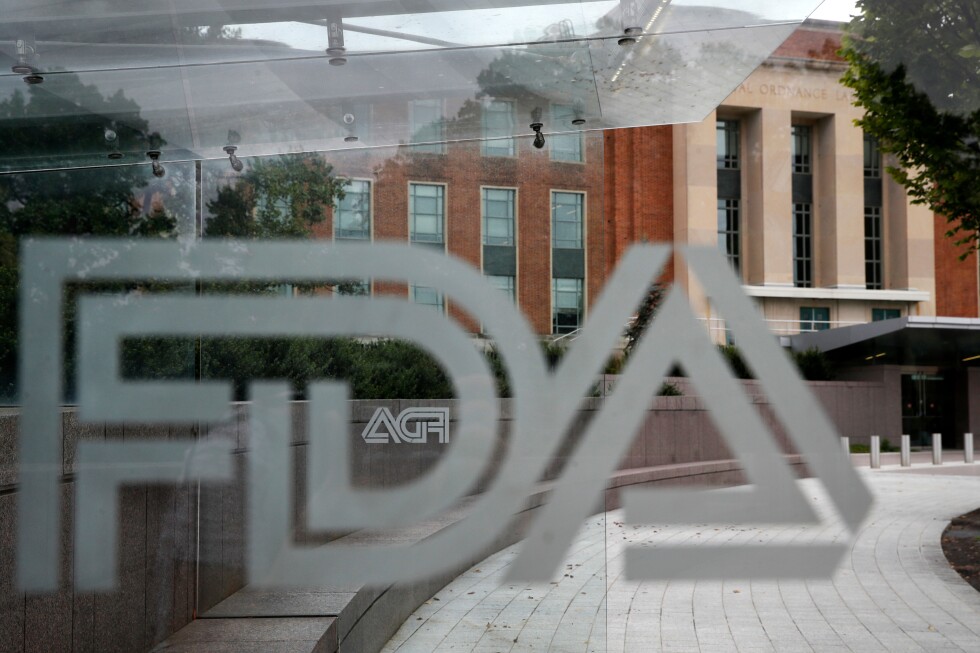
In a significant policy shift, the Food and Drug Administration announced Tuesday its first authorization of fruit-flavored electronic cigarettes intended for adult smokers. The decision comes after months of lobbying from the vaping industry to the Trump administration, marking a departure from previous restrictions that limited approved flavors to tobacco and menthol.
The newly authorized products from Los Angeles-based Glas Inc. include mango and blueberry flavors, alongside two menthol varieties. These will be marketed under the names Gold, Sapphire, Classic Menthol, and Fresh Menthol, according to the FDA’s announcement.
Health groups and parents’ organizations are expected to strongly oppose this decision. These stakeholders have long identified flavored products as the primary driver behind underage vaping in the United States. However, the federal action coincides with teen vaping rates dropping to their lowest level in a decade, providing some context for the policy adjustment.
The FDA emphasized that this authorization does not constitute an endorsement, and stressed that these products are exclusively intended for adults seeking to reduce or eliminate cigarette consumption. Traditional smoking remains responsible for approximately 480,000 American deaths annually from cancer, lung disease, and heart disease.
To address concerns about youth access, the FDA highlighted Glas Inc.’s digital age-verification system as a key safeguard. Users must verify their age with government identification via their smartphones, and the e-cigarettes only function when connected by Bluetooth to the verified user’s phone, creating multiple barriers to unauthorized use.
“Ultimately, it’s critical that we remain vigilant in protecting young people, including closely monitoring the use of authorized products,” said Kathy Crosby of the Truth Initiative, an anti-tobacco nonprofit, who described the decision as “a key test case.”
The authorization reflects a complex regulatory landscape that has evolved across administrations. During his campaign, Donald Trump vowed to “save” vaping, gaining support from e-cigarette companies, shop owners, and vaping enthusiasts. Though his first administration established initial flavor restrictions and raised the tobacco purchasing age from 18 to 21, the current shift suggests a more permissive approach to certain vaping products.
This contrasts with President Biden’s earlier regulatory stance, under which the FDA denied marketing applications for over one million candy or fruit-flavored products. That crackdown is widely credited with helping reduce teen vaping rates following a significant surge in 2019.
Industry observers note that tobacco policy initiatives have received less attention under current FDA Commissioner Marty Makary, whose agenda has prioritized other issues including COVID-19 vaccine restrictions, artificial food dye phaseouts, and accelerating innovative drug approvals.
In recent months, industry organizations such as the Vapor Technology Association have intensified their advocacy, meeting with administration officials to push for expanded flavor options. The FDA responded in March with guidance acknowledging that certain flavors – specifically menthol, coffee, mint, and spice – could have legitimate appeal for adult smokers looking to transition away from cigarettes.
Despite regulatory efforts, the vaping landscape remains complicated by widespread availability of unauthorized products. Government data shows most American teens who vape continue to use illegal fruit and candy-flavored products, typically imported from China in cheap, disposable formats.
The vaping industry has consistently maintained that their products can help reduce smoking-related harms among adults. E-cigarettes have been commercially available in the United States since 2007, but their potential public health benefits have been overshadowed by concerns about youth adoption.
This authorization may signal a recalibration of the risk-benefit analysis around flavored vaping products, though the impact on both adult smoking cessation and youth vaping trends remains to be seen.
Fact Checker
Verify the accuracy of this article using The Disinformation Commission analysis and real-time sources.

6 Comments
Seems like a careful balance the FDA is trying to strike – enabling adult smokers to transition away from cigarettes while still restricting youth access to flavored products. Time will tell if this approach is effective.
Good point. The FDA will need to closely monitor the impact and be ready to adjust the policy if teen vaping starts to rise again.
This is a complex issue without easy answers. Balancing harm reduction for adult smokers against youth appeal is an ongoing challenge for regulators.
The FDA’s decision seems like a pragmatic step, but they’ll need robust monitoring and enforcement to prevent the unintended consequence of increased teen vaping.
Allowing some adult-targeted flavors could help cigarette smokers switch to less harmful vaping, but the FDA will have to ensure strong enforcement to prevent underage use.
Interesting move by the FDA, allowing some flavored e-cigs for adults but not teens. Curious to see if this helps reduce cigarette use while still keeping underage vaping in check.