


Listen to the article
U.S. Announces $2 Billion for UN Humanitarian Aid Amid Major Funding Overhaul
The United States on Monday pledged $2 billion for United Nations humanitarian assistance programs, significantly less than previous years’ contributions as the Trump administration pushes for dramatic reforms across UN aid agencies. The announcement comes with explicit warnings that UN organizations must “adapt, shrink or die” in what U.S. officials describe as a new era of financial realities.
The funding represents a steep reduction from historical U.S. humanitarian support to UN programs, which has reached as high as $17 billion annually in recent years. The substantial cut reflects the administration’s broader strategy to slash foreign assistance while demanding fundamental changes to how the UN distributes and manages humanitarian funds.
Under the new approach, the money will flow through a centralized umbrella fund controlled by the UN Office for the Coordination of Humanitarian Affairs (OCHA), led by former British diplomat Tom Fletcher. This represents a significant departure from traditional U.S. funding methods, where contributions were distributed directly to various UN agencies for specific programs.
“This humanitarian reset at the United Nations should deliver more aid with fewer tax dollars — providing more focused, results-driven assistance aligned with U.S foreign policy,” said U.S. Ambassador to the United Nations Michael Waltz in a statement announcing the pledge.
The funding shift comes during what many humanitarian experts call a crisis year for major UN organizations. The Trump administration has already cut billions in U.S. foreign aid during its first months back in office, forcing agencies like the UN Refugee Agency, World Food Program, and International Organization for Migration to reduce programs and eliminate thousands of positions worldwide.
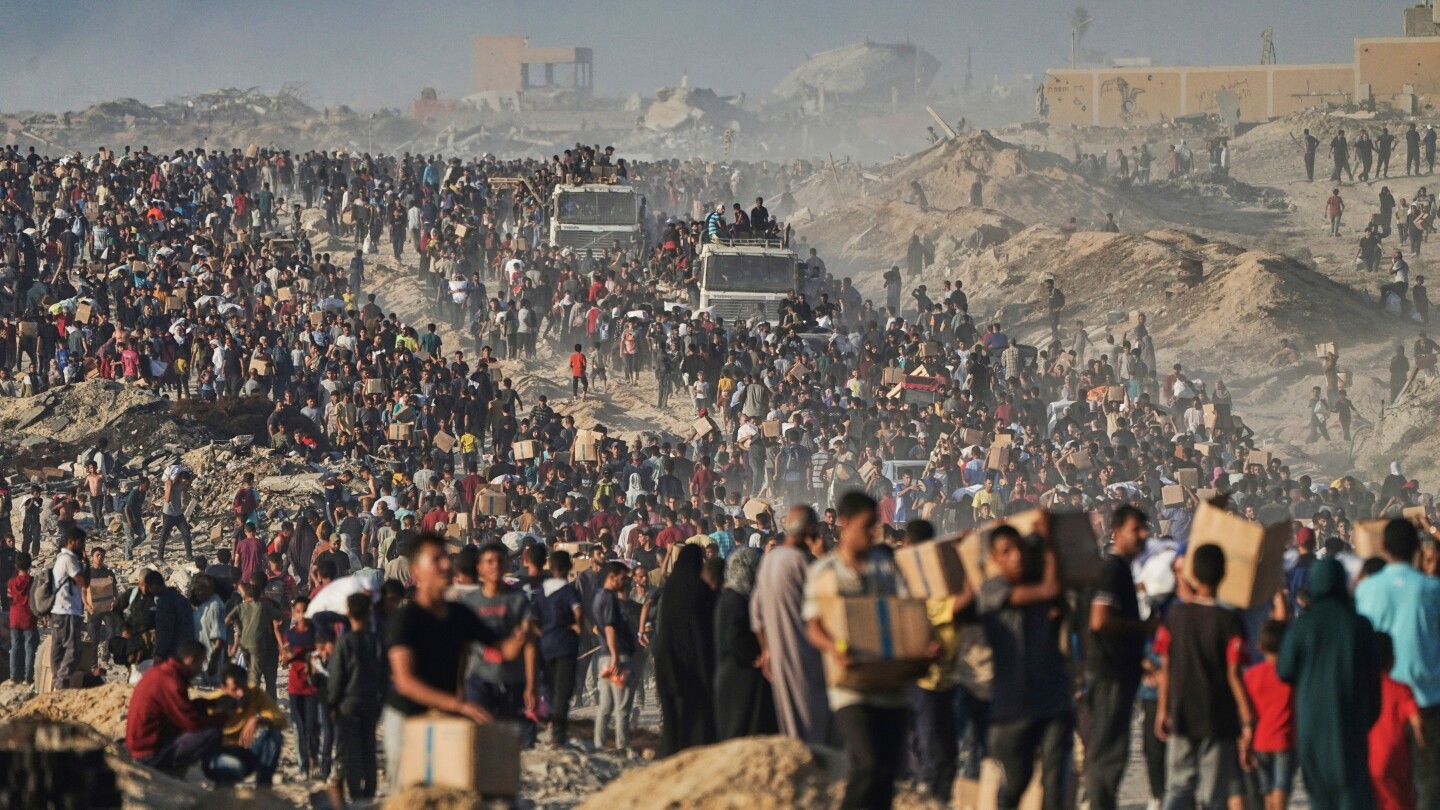
The timing is particularly challenging as humanitarian needs have exploded globally. Parts of Sudan and Gaza have experienced famine conditions this year, while climate-related disasters including floods and droughts have displaced thousands. These crises have created unprecedented demand for humanitarian assistance just as traditional Western donors, including the United States, Britain, France, Germany and Japan, have reduced their contributions.
U.S. officials frame the funding changes as necessary reforms rather than simple cutbacks. According to a senior State Department official speaking on condition of anonymity, the United States seeks “more consolidated leadership authority” in UN aid delivery systems. Under the plan, Fletcher and OCHA “are going to control the spigot” on how money is distributed to agencies.
The reform project will establish targeted pools of funding directed either to specific crises or countries in need. Initially, 17 countries will be included, among them Bangladesh, Congo, Haiti, Syria, and Ukraine. Notably absent is Afghanistan, while Palestinian territories are expected to be covered by separate funding stemming from Trump’s as-yet-incomplete Gaza peace plan.
Critics argue the dramatic reduction in Western aid has been shortsighted, pushing millions toward hunger, displacement, and disease while eroding U.S. soft power globally. Humanitarian organizations have warned that the funding cuts will severely impact their ability to respond to emergencies and provide essential services to vulnerable populations.
The State Department emphasized the conditions attached to the funding: “The agreement requires the UN to consolidate humanitarian functions to reduce bureaucratic overhead, unnecessary duplication, and ideological creep. Individual UN agencies will need to adapt, shrink, or die.”
Despite these stern warnings, Fletcher praised the deal, describing it as a demonstration that the United States remains “a humanitarian superpower, offering hope to people who have lost everything.”
The initiative represents months of planning and aligns with President Trump’s longstanding critique that the UN has significant potential but has drifted from its original mandate while becoming wasteful and unaccountable. Administration officials believe the new funding mechanism will help refocus UN agencies on core missions while ensuring American interests are properly represented.
As the changes take effect, humanitarian organizations and recipient countries are closely watching to see how the reduced funding and structural reforms will impact global crisis response in an era of mounting humanitarian challenges.
Fact Checker
Verify the accuracy of this article using The Disinformation Commission analysis and real-time sources.

7 Comments
This shift in U.S. funding for the UN humanitarian programs reflects the administration’s desire to overhaul the foreign aid system. While the cuts are substantial, the call for greater accountability and reform within the UN agencies is understandable. Curious to see the long-term implications of this new approach.
The Trump administration’s demands for UN agencies to ‘adapt or die’ indicate a clear intention to drive significant changes in how foreign humanitarian aid is managed and distributed globally. While the reduced funding is concerning, the push for greater efficiency and accountability in the system has merit.
Interesting to see the U.S. shifting its UN aid funding strategy. While the cut in overall support is significant, directing funds through a centralized OCHA hub could improve coordination and accountability. Curious to see how the UN agencies adapt to these reforms.
I agree, the consolidation of funds through OCHA is an intriguing approach. It will be important to monitor how this impacts the delivery and efficiency of humanitarian aid programs.
A $2 billion pledge for UN humanitarian aid is still a significant commitment from the U.S., even with the steep reduction from previous levels. It will be crucial to monitor how these funds are utilized and what changes are implemented at the UN to adapt to the new funding realities.
The Trump administration’s warning to UN agencies to ‘adapt or die’ reflects a clear push for more stringent oversight and reform of how foreign aid is managed and distributed. While the reduced funding is concerning, the call for greater accountability and agility in the humanitarian aid system has some merit.
You raise a fair point. More transparency and streamlining of UN operations could potentially improve the impact of humanitarian assistance, if executed thoughtfully. The challenge will be finding the right balance.