


Listen to the article
Iran Holding More American Hostages Than Publicly Known, Sources Reveal
The Islamic Republic of Iran may be holding more than eight American citizens and residents captive, according to sources familiar with Tehran’s hostage-taking policies. This figure exceeds the publicly acknowledged count of five American hostages currently detained in the country.
Among those detained is Kamran Hekmati, a 70-year-old Persian Jewish man from Great Neck, New York. Iranian authorities arrested Hekmati in July 2025 during a family visit that began in May. The regime charged him with “making a trip to Israel” 13 years earlier when he attended his son’s Bar Mitzvah in 2012. Iran, which does not recognize dual citizenship, forbids its citizens from traveling to Israel or maintaining relations with the Jewish state.
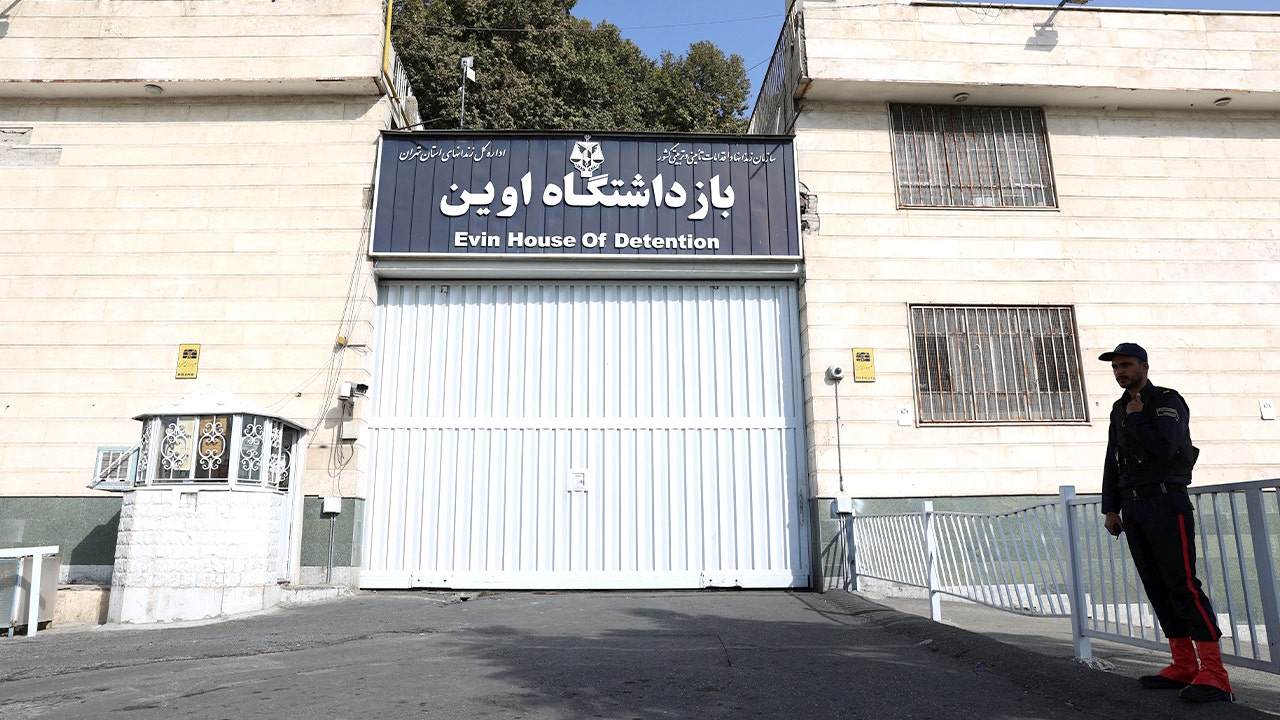
Hekmati was sentenced to four years in prison and is currently held in the notorious Evin Prison, a facility known for the torture of political prisoners and dissidents. According to the Human Rights Activists News Agency (HRANA), Hekmati has also spent time in an intelligence ministry facility in Tehran. Reports indicate he suffers from bladder cancer.
Another American, Afarin Mohajer, a California resident, was arrested on September 29, 2025, at Imam Khomeini International Airport. According to U.S. government outlet Radio Farda, Mohajer has an inoperable brain tumor and was told by doctors “she does not have long to live.” Though released on bail in December, she remains barred from leaving Iran. She had traveled to the country to manage her late husband’s finances.
The regime has also detained an unnamed Iranian-American woman since December 2024. Though released from prison, authorities confiscated her passports and have prohibited her from leaving the country.
Former Radio Farda journalist Reza Valizadeh visited Iran in March 2024 to see relatives and was reportedly arrested in September of that year. Initially charged with “collaborating with overseas-based Persian media,” his charge was later escalated to “collaborating with a hostile government.” According to Voice of America, sources claim Valizadeh was arrested for refusing to cooperate with the Islamic Revolutionary Guard Corps’ Intelligence Organization and Iran’s intelligence ministry, and for showing no remorse for his journalistic work.
Shahab Dalili, a permanent U.S. resident living in Virginia, has been detained since March 2016 after traveling to Iran following his father’s death. Iran’s opaque judicial system sentenced him to 10 years in prison for allegedly “cooperating with a hostile government.”
A U.S. State Department official told Fox News Digital: “As Secretary Rubio has said, President Trump is working to secure the release of detained Americans around the world. The Iranian regime has a long history of unjustly and wrongfully detaining other countries’ citizens as hostages for use as political leverage. Iran should release these individuals immediately.”
The official added that specific numbers of hostages are not disclosed due to security considerations in ongoing cases.
Barry Rosen, a survivor of the 1979 Iran hostage crisis who spent 444 days in captivity, described the current situation as “very intractable.” He expressed skepticism about securing the hostages’ release amid nationwide protests against the regime.
“Quiet diplomacy is the best way to go, but I don’t think there is any way for quiet diplomacy right now,” Rosen said. He clarified that while hostage negotiations require discretion, “when it comes to the uprising in Iran, we need to loudly support a democratic Iran.”
Rosen, who co-founded Hostage Aid Worldwide, added: “I want to see the Iranian people do what they are doing now, so the Iranian regime implodes by itself. Support for uprisings and protests is the right way to go. I am fearful of any military operations that could cause chaos in the country.”
Navid Mohebbi, a former Persian media analyst for the U.S. State Department, argues that Iran’s hostage-taking is not comprised of isolated incidents but represents “a systematic state policy designed to extract political and economic concessions.”
“The Islamic Republic has learned that detaining Americans and other Western nationals carries little cost and often produces tangible rewards — whether sanctions relief, access to frozen assets or asymmetric prisoner swaps,” Mohebbi told Fox News Digital.
He advocates for a stronger U.S. response, including automatic penalties for each hostage-taking case, such as targeted sanctions against officials involved in detentions, permanent confiscation of regime assets, and coordinated diplomatic consequences with allies. Mohebbi also recommends that the U.S. formally designate Iran as a state that engages in hostage-taking and ban the use of U.S. passports for travel to the country.
Fact Checker
Verify the accuracy of this article using The Disinformation Commission analysis and real-time sources.

10 Comments
This is a very troubling development. The Iranian regime’s practice of arbitrarily detaining American citizens is a flagrant violation of international law. Diplomatic efforts to secure the release of all US hostages must be redoubled.
Agreed. The US government needs to apply maximum pressure on Iran, including through economic sanctions and other punitive measures, until all American hostages are safely returned.
The reports of Iranian authorities holding more American hostages than publicly known are very concerning. Transparency and accountability are essential to ensure the safe return of all US citizens unjustly detained.
Absolutely. The Iranian regime must be held to account for these egregious human rights violations. The safety and release of these American hostages should be an urgent priority for the international community.
This is a grim situation. The Iranian regime’s history of using hostage-taking as a political tool is well-documented. I hope the US can find diplomatic solutions to bring these Americans home safely.
Agreed. The US must explore all avenues, including economic sanctions and other punitive measures, to compel Iran to cease these unlawful detentions and free the American citizens it is holding.
This is a concerning development. Iran’s hostage-taking and mistreatment of American citizens is completely unacceptable. I hope the US government is working tirelessly to secure the release of all wrongfully detained Americans.
Agreed. The Iranian regime’s actions are a flagrant violation of human rights. The wellbeing and safe return of these American hostages must be a top priority.
The reports of more detained Americans than publicly known are deeply troubling. Iran needs to be held accountable for these unlawful detentions and provide full transparency on the status of all US citizens it is holding.
Absolutely. The international community should apply maximum pressure on Iran to immediately release all American hostages and cease this abhorrent practice.