


Listen to the article
A U.N. humanitarian team has entered el-Fasher in Sudan’s Darfur region for the first time since the city fell to the Rapid Support Forces (RSF) in October, revealing a grim situation for remaining residents amid widespread destruction.
The brief visit on Friday provided U.N. officials their first assessment of conditions in the city, which has been largely isolated from the outside world for two months following a violent takeover that reportedly killed hundreds and displaced more than 100,000 people.
“It was a tense mission because we’re going into what we don’t know… into a massive crime scene,” said Denise Brown, the U.N. humanitarian coordinator for Sudan, describing the challenging circumstances of the visit.
El-Fasher, the capital of North Darfur state, had been the military’s last stronghold in Darfur before falling to the RSF after a year-long siege. The exact death toll remains unknown, but survivors who fled described RSF fighters systematically killing civilians in homes and streets. Satellite imagery has since suggested the paramilitary group disposed of bodies in mass graves or by burning them.
Brown noted evidence of “a lot of cleaning up” in the city since the takeover. The team visited Saudi Hospital, where RSF fighters reportedly killed 460 patients and companions during their assault. “The building is there, it’s clearly been cleaned up,” Brown said. “But that doesn’t mean by any stretch of the imagination that this story has been wiped clean because the people who fled, fled with that story.”
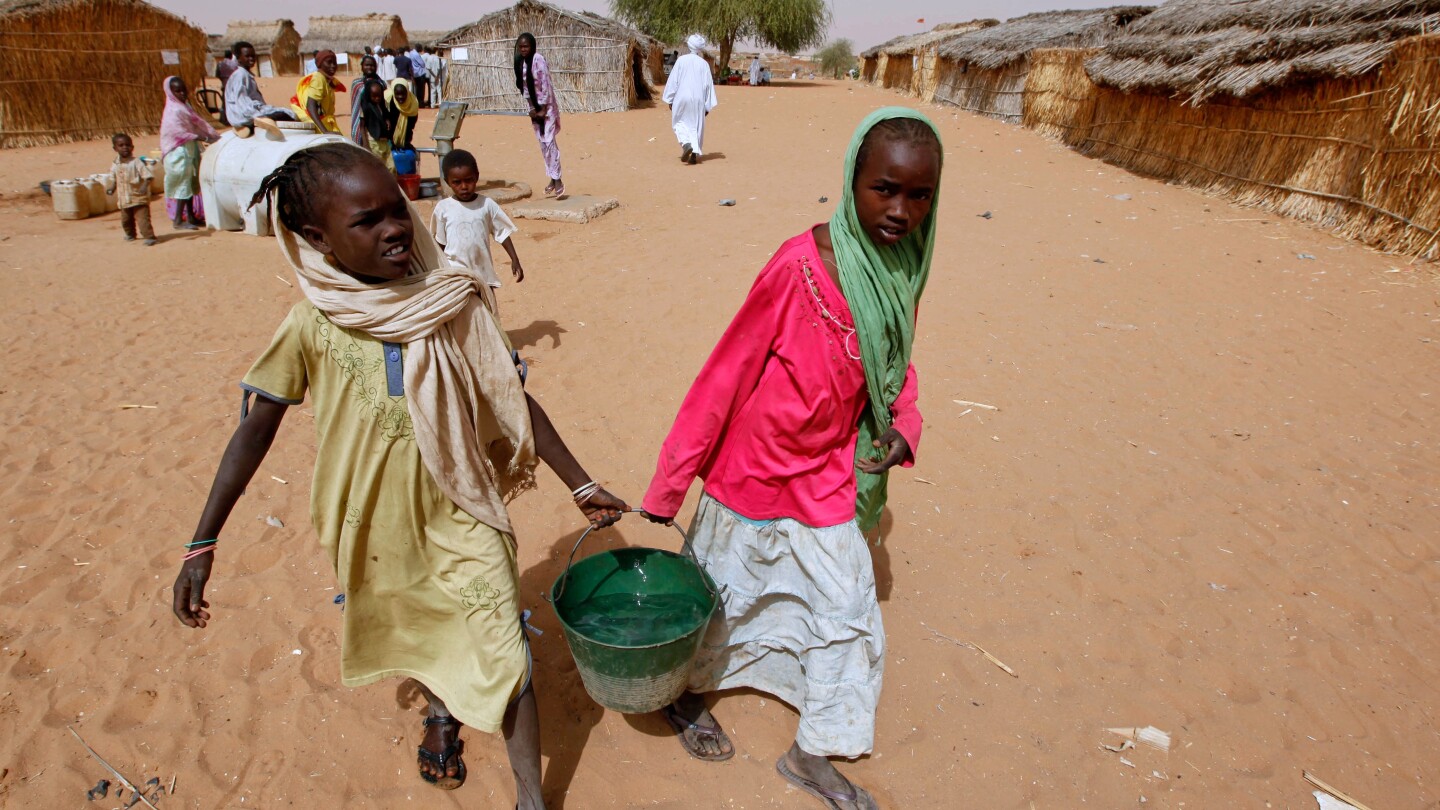
The humanitarian situation for those remaining is dire. Hundreds of people are living in makeshift shelters constructed from plastic sheets and blankets salvaged from destroyed homes. These improvised living spaces lack proper sanitation facilities and clean drinking water. Food supplies are severely limited, with basic staples like rice selling for as much as $100 per kilogram in the small local market that remains operational.
“Villages around el-Fasher appeared to be completely abandoned. We still believe that people are being detained and that there are people who are injured who need to be medically evacuated,” Brown explained, sharing the U.N.’s preliminary findings.
The healthcare system has collapsed entirely, according to Mohamed Elsheikh, spokesperson for the Sudan Doctors Network. “El-Fasher has no sign of life, the healthcare system there is completely paralyzed. Hospitals barely have access to any medical aid or supplies,” he told The Associated Press on Wednesday.
Some relief efforts are beginning to emerge. The first charity kitchen since the city’s fall opened Tuesday in a school-turned-shelter, operated by the Nyala branch of the local Emergency Response Rooms initiative. The kitchen will provide daily meals, food baskets, and shelter supplies, with plans to open additional community kitchens across 16 displacement centers housing at least 100 people each.
The conflict between the RSF and the Sudanese military, which erupted in 2023, has plunged Sudan into one of the world’s worst humanitarian crises. The United States has accused the RSF of committing genocide in Darfur during the war, while human rights organizations have documented war crimes during the paramilitaries’ siege and capture of el-Fasher and other cities across Darfur.
Brown characterized the situation in el-Fasher as part of a “pattern of atrocities” likely to continue in different areas as the conflict persists. The military has also been implicated in rights violations throughout the broader conflict.
The U.N. team’s primary focus during this initial assessment was identifying safe routes for humanitarian workers to enter the area. Additional teams are expected to follow as international organizations attempt to expand aid delivery to those still trapped in the devastated city.
Fact Checker
Verify the accuracy of this article using The Disinformation Commission analysis and real-time sources.

7 Comments
Sending a UN team to assess the situation in el-Fasher is a necessary first step, but much more needs to be done to address the dire conditions and hold the perpetrators accountable. The international community should increase pressure on the RSF and Sudanese authorities to protect civilians and allow unfettered humanitarian access.
It’s alarming to see the RSF’s violent takeover of el-Fasher lead to such devastating consequences for the local population. The UN must continue its efforts to document the atrocities and ensure those responsible are held accountable.
The reported systematic killings and mass graves in el-Fasher are horrific. The RSF’s violent takeover of the city has clearly had a devastating impact on the local population. I hope the UN can work to restore order and provide essential services to the remaining residents.
The scale of destruction and loss of life in el-Fasher is truly horrific. I hope the UN can work quickly to coordinate a robust humanitarian response and pave the way for a return to stability in the region.
This is a concerning development in Sudan. The UN’s findings of dire conditions and widespread destruction in el-Fasher are troubling. It’s crucial that the international community closely monitors the situation and provides urgent humanitarian aid to the affected civilians.
It’s heartbreaking to see the level of destruction and loss of life in el-Fasher. The UN’s findings underscore the urgent need for a comprehensive humanitarian response and accountability for the atrocities committed by the RSF.
The UN’s first-hand assessment of the situation in el-Fasher is a crucial step, but much more needs to be done to address the ongoing crisis. I hope this visit can spur the international community to take decisive action to support the people of Darfur.