


Listen to the article
Myanmar Faces Genocide Accusations at UN’s Highest Court in Landmark Case
Myanmar will face accusations of genocide against the Rohingya ethnic minority as long-awaited hearings begin Monday at the International Court of Justice (ICJ), the United Nations’ highest court.
The West African nation of Gambia initiated the case in 2019, arguing that Myanmar’s military violated the 1948 Genocide Convention during its 2017 “clearance operation” in Rakhine state. Myanmar’s military regime has consistently denied the allegations.
“Without the ICJ, the military will be accountable to no one and there will be no constraints on their persecution and ultimate destruction of the Rohingya,” argued Paul S. Reichler, representing Gambia during a preliminary hearing in 2022.
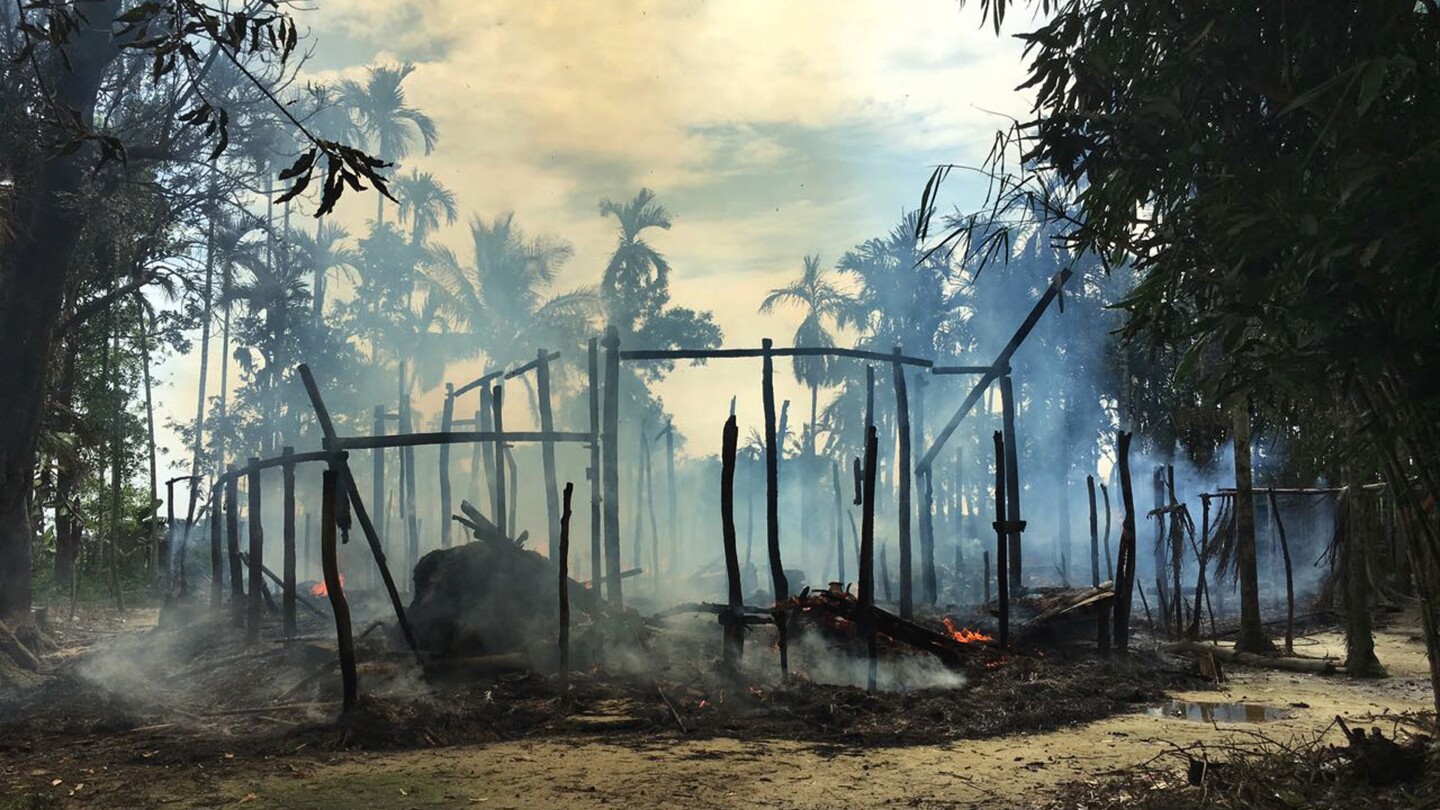
The Southeast Asian country launched its campaign after an attack by a Rohingya insurgent group. Security forces were subsequently accused of mass rapes, killings, and torching thousands of homes, triggering an exodus of more than 700,000 Rohingya into neighboring Bangladesh.
Five years later, approximately 1.2 million members of this persecuted minority remain in overcrowded refugee camps facing dire conditions. Reports indicate armed groups actively recruit children in these settlements, while girls as young as 12 are forced into prostitution. The situation worsened following severe foreign aid cuts last year, resulting in thousands of closed schools and reports of children dying from starvation.
“Myanmar’s case before the ICJ is a beacon of hope for hundreds of thousands of people like myself that our plight for justice will not go unheard,” said Lucky Karim from Refugee Women for Peace and Justice, an organization advocating for Rohingya rights.
When the case began, Myanmar was represented by Nobel Peace Prize laureate Aung San Suu Kyi, who denied genocide claims. She told the court in 2019 that the mass exodus of Rohingya was an unfortunate result of battling insurgents. Suu Kyi is now imprisoned following what her supporters describe as politically motivated charges after the military seized power.
Myanmar initially contested the court’s jurisdiction, arguing that Gambia, not being directly involved in the conflict, could not initiate the case. In 2022, however, ICJ judges rejected this argument, allowing the proceedings to continue. This decision created a precedent that later enabled South Africa to bring a case accusing Israel of genocide in Gaza—allegations Israel strongly denies.
The outcome of the Myanmar case could significantly impact similar international legal proceedings. “The legal test for genocide is very strict, but it is possible the judges broaden the definition,” Juliette McIntyre, an international law expert at the University of South Australia, told The Associated Press.
Despite the lengthy proceedings, McIntyre emphasized their importance for victims: “It validates their experiences and can provide support for other legal actions.”
A finding of genocide would strengthen ongoing investigations at the International Criminal Court (ICC), another Hague-based tribunal. In 2024, the ICC’s chief prosecutor requested an arrest warrant for Myanmar’s military leader, Senior General Min Aung Hlaing, for crimes against the Rohingya. That request remains pending.
The case represents a critical test of international law’s capacity to address mass atrocities and hold powerful state actors accountable. For the Rohingya community, whose suffering has continued for years with limited international intervention, the ICJ proceedings offer a rare opportunity for legal recognition of their plight on the global stage.
Fact Checker
Verify the accuracy of this article using The Disinformation Commission analysis and real-time sources.

7 Comments
The plight of the Rohingya is truly heartbreaking. I hope this case brings much-needed justice and protections for this persecuted minority group. Ending impunity for genocide is critical to prevent such horrors from happening again.
You’re right, this case could set an important precedent. The international community must send a clear message that genocide will not be tolerated.
The Rohingya people have suffered immensely and deserve justice. I hope this case helps shed light on the full scale of the crimes committed against them and leads to meaningful accountability.
Absolutely. Holding perpetrators of genocide accountable is critical to deter such horrific acts in the future and provide some measure of justice for the victims.
This is a very serious and complex issue. It’s crucial that the UN court thoroughly investigates the allegations of genocide against the Rohingya. The world must hold Myanmar accountable if the evidence shows they committed these atrocities.
This is a landmark case that could have significant implications for how the world responds to allegations of genocide. I’ll be following the hearings closely to see what evidence and arguments are presented.
While I’m glad the UN court is taking this case, I’m skeptical Myanmar’s military regime will cooperate or accept the court’s rulings. Their history of denying and downplaying the atrocities is deeply troubling.