


Listen to the article
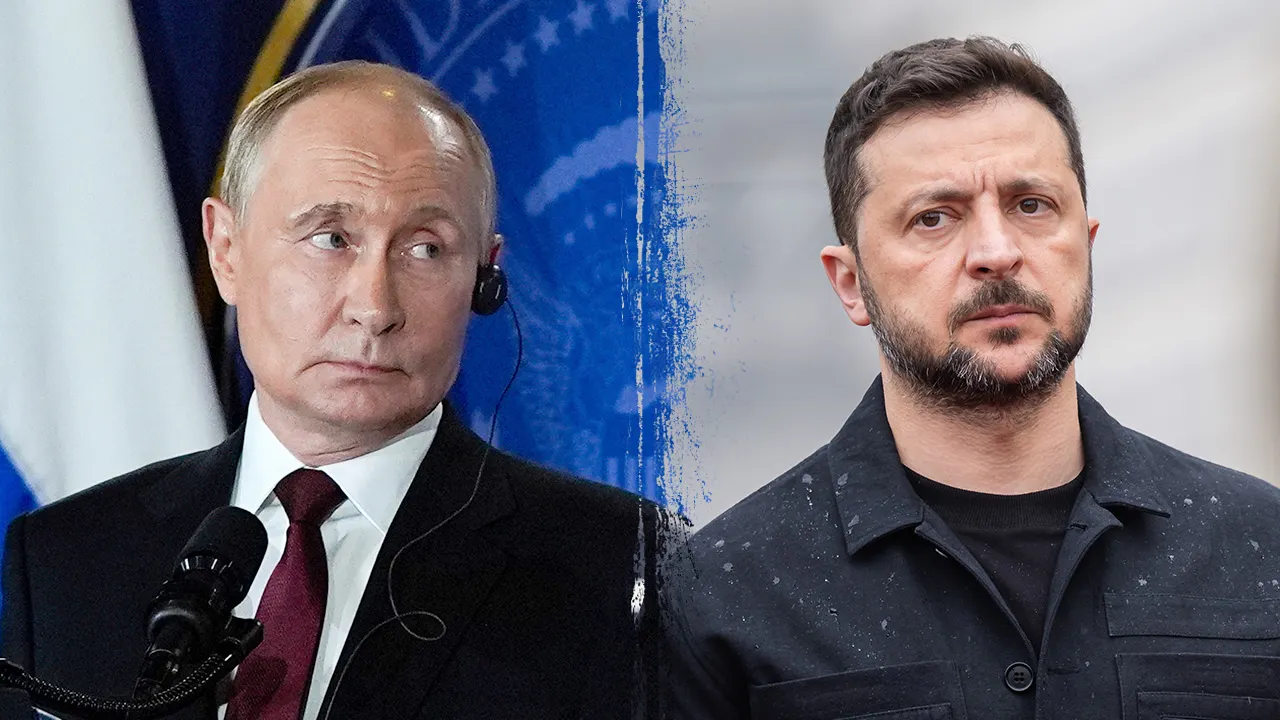
Ukrainian President Volodymyr Zelenskyy forcefully denied Russian allegations on Monday that Ukraine attempted to strike Russian President Vladimir Putin’s residence, dismissing the claims as deliberately misleading.
“This alleged ‘residence strike’ story is a complete fabrication intended to justify additional attacks against Ukraine, including Kyiv, as well as Russia’s own refusal to take necessary steps to end the war,” Zelenskyy wrote on social media platform X, formerly known as Twitter.
Russian Foreign Minister Sergei Lavrov had claimed that Ukrainian forces targeted Putin’s home in the Novgorod region of northern Russia and threatened that Moscow would respond with retaliatory measures, according to Reuters. The location, approximately 400 kilometers northwest of Moscow, has historically been one of several residences used by the Russian leader.
Zelenskyy characterized the accusation as “typical Russian lies” and pointed to Moscow’s previous bombardments of Ukraine’s capital. “The Russians have already targeted Kyiv in the past, including the Cabinet of Ministers building,” he stated, suggesting that Russia is manufacturing a pretext for escalating its attacks.
The Ukrainian leader emphasized the difference in approach between the warring nations, stating, “Ukraine does not take steps that can undermine diplomacy. To the contrary, Russia always takes such steps.”
The exchange comes during a particularly tense period in the conflict, now approaching its third year. Recent weeks have seen intensified Russian missile and drone attacks on Ukrainian infrastructure, while Ukraine has expanded its own long-range strike capabilities with Western-supplied weapons.
Military analysts suggest the accusation could be part of Russia’s information warfare strategy. Dr. Mark Galeotti, a specialist in Russian security affairs at University College London, told reporters that “Russia has consistently used accusations of Ukrainian ‘terrorism’ or ‘provocations’ to justify its own escalations in the conflict.”
The diplomatic landscape has grown increasingly complex as peace negotiations remain stalled. Recent international efforts to broker talks, including initiatives from China and Brazil, have failed to gain significant traction amid fundamental disagreements over territorial sovereignty and security guarantees.
For Ukraine, which continues to defend against Russian forces along a 1,000-kilometer front line, accusations of targeting Putin personally could potentially complicate its relationships with Western backers. The Biden administration and European allies have sought to support Ukraine while attempting to avoid direct NATO involvement in the conflict.
The Russian claim about its leader being targeted echoes previous allegations from Moscow that have been used to justify intensified military actions. In May 2023, Russia claimed Ukraine attempted a drone strike on the Kremlin, which Ukrainian officials similarly denied.
Military experts note that striking a presidential residence would represent a significant escalation and potential intelligence coup, requiring precise information about Putin’s whereabouts that would be extremely difficult to obtain given the Russian leader’s notoriously secretive schedule and security protocols.
The Ukrainian military has not commented directly on the specific allegations, maintaining its standard policy of neither confirming nor denying operations on Russian soil.
As tensions escalate, civilian populations in both countries continue to bear the brunt of the conflict. The United Nations has documented tens of thousands of civilian casualties since Russia’s full-scale invasion began in February 2022, with millions of Ukrainians displaced from their homes.
International observers remain concerned that further escalation could derail any nascent diplomatic initiatives and prolong a conflict that has already had devastating regional and global consequences.
Fact Checker
Verify the accuracy of this article using The Disinformation Commission analysis and real-time sources.

12 Comments
It’s concerning to see the continued hostility and accusations between Russia and Ukraine. While the truth may be hard to discern, the potential for further conflict and instability in the region is troubling for the mining and energy sectors.
I agree. The uncertainty created by this ongoing conflict makes it challenging for companies and investors to plan and operate effectively. Careful monitoring of the situation will be essential.
This seems like another tit-for-tat in the information war between Russia and Ukraine. It’s hard to know the full truth, but both sides have a history of exaggeration and propaganda. I’ll wait for more credible details before forming an opinion.
Agreed, the truth is often obscured in the fog of war. Maintaining a skeptical but open-minded stance is prudent here.
The Ukraine conflict has disrupted global energy and commodity markets. I’m curious to see how this latest development might impact the mining and resources sectors, particularly in the region.
Good point. Any escalation or widening of the conflict could have ripple effects across the commodities space, affecting prices and supply chains.
The Ukraine conflict has already caused significant disruptions to global supply chains. If this latest incident escalates further, it could have serious consequences for the production and distribution of critical minerals and energy resources.
That’s a valid concern. Any disruptions to mining, refining, or logistics in the region could ripple through the global commodities markets, potentially driving price volatility.
This news highlights the geopolitical volatility that continues to impact the mining and energy sectors. Investors will be closely watching for any market implications, particularly for commodities like uranium, lithium, and precious metals.
Absolutely. Geopolitical risk is a major factor to consider when evaluating investments in these industries. Prudent diversification and risk management will be key.
Zelenskyy seems to be taking a firm, defiant stance here, which aligns with Ukraine’s overall approach. But Russia is also known for fabricating narratives to justify its actions. I hope independent verification can shed more light on the truth.
Yes, verification from neutral sources will be crucial in determining the facts of this incident. Relying solely on the rhetoric from either side is unwise.