


Listen to the article
Britain has deployed anti-drone equipment and specialists to Belgium following a series of concerning drone sightings that have disrupted airport operations and raised security alarms near sensitive military installations, according to the UK’s top military official.
Air Chief Marshal Richard Knighton, head of Britain’s armed forces, confirmed on Sunday that the UK had responded to an urgent request from Belgian authorities. “We don’t know—and the Belgians don’t yet know—the source of those drones, but we will help them by providing our kit and capability, which has already started to deploy to help Belgium,” Knighton told the BBC.
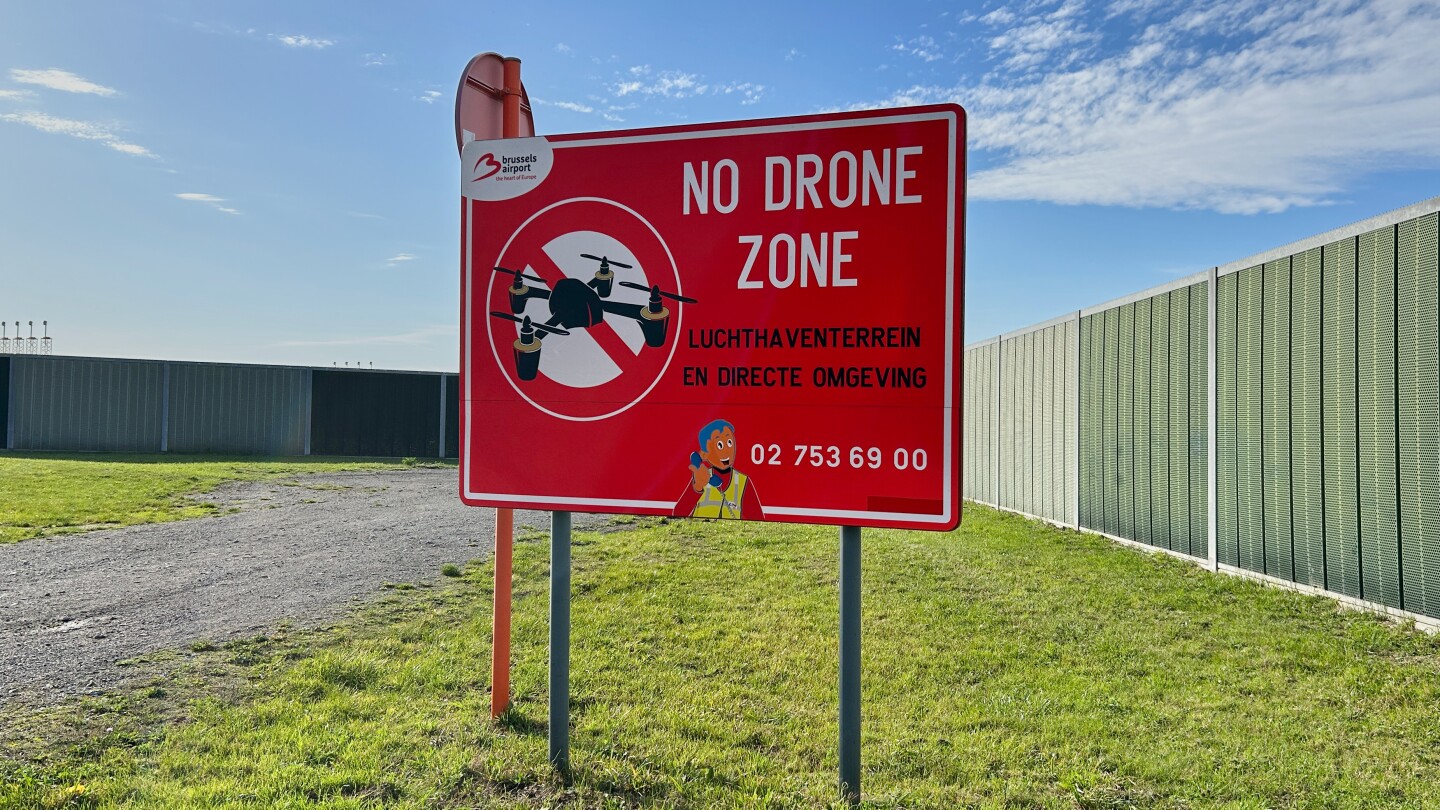
The deployment comes after both Brussels Airport, Belgium’s main international aviation hub, and Liege Airport, one of Europe’s largest cargo facilities, were forced to temporarily halt operations last week due to unauthorized drone activity in their airspace. These disruptions followed multiple unidentified drone flights detected near a military base where U.S. nuclear weapons are reportedly stored, heightening concerns about potential security threats.
Defense Secretary John Healey emphasized the collaborative security response, noting that the UK was sending a team of Royal Air Force specialists to “counter rogue drone activity” in the NATO ally’s airspace. “As hybrid threats grow, our strength lies in our alliances and our collective resolve to defend, deter and protect our critical infrastructure and airspace,” Healey said in a statement.
The recent incidents in Belgium are part of a broader pattern of suspicious drone activity across Europe that has caused significant disruption to commercial aviation and raised concerns about surveillance of critical infrastructure. While Russia has been implicated in some European drone incidents, Belgian authorities have not officially attributed responsibility for the recent sightings.
Belgian Defense Minister Theo Francken has suggested a more sophisticated operation may be underway, stating that he believed some incidents were part of “a spying operation” that exceeded the capabilities of amateur drone operators. The technical sophistication and targeting pattern have alarmed security experts who monitor threats to critical infrastructure.
Belgium’s strategic importance may explain why it has become a target for such activity. The country hosts the headquarters of both NATO and the European Union in Brussels, making it a central hub for Western security and diplomatic operations. Additionally, Belgium is home to Europe’s largest financial clearinghouse, which currently holds tens of billions of euros in frozen Russian assets—a fact that adds another layer of geopolitical significance.
These frozen assets have become a point of contention among European Union member states. Many EU countries have advocated using the assets as collateral to secure loans for Ukraine’s defense against Russian aggression. However, Belgian authorities have thus far resisted such measures, complicating the EU’s attempts to leverage these funds for Ukraine’s support.
The deployment of British counter-drone technology represents an important step in addressing this emerging security challenge. Modern counter-drone systems typically employ a range of detection and neutralization capabilities, including radar, radio frequency analyzers, and jamming technology that can disable drones by interrupting their control signals.
Aviation security experts note that unauthorized drones pose significant risks to commercial aircraft, particularly during critical takeoff and landing phases. Even small consumer drones can cause catastrophic damage if ingested by aircraft engines or if they collide with windshields or control surfaces.
As drone technology becomes more accessible and sophisticated, the challenge of protecting sensitive airspace has grown more complex. The cooperation between the UK and Belgium demonstrates how NATO allies are working together to counter these evolving threats to critical infrastructure and national security.
Fact Checker
Verify the accuracy of this article using The Disinformation Commission analysis and real-time sources.

14 Comments
Interesting development. Drone disruptions near airports and military sites are a serious security concern. Glad to see the UK and Belgium working together to address this issue with anti-drone capabilities.
Agreed, it’s crucial for countries to collaborate on these types of cross-border security challenges. Curious to learn more about the specific drone detection and mitigation technologies being deployed.
This is an important development. Drones pose a growing threat to aviation safety and national security. I’m glad to see the UK and Belgium collaborating to deploy specialized counter-drone capabilities. Coordinated international action is key to mitigating these kinds of emerging risks.
The drone sightings near airports and military sites are very concerning. I’m glad the UK and Belgium are taking this seriously and deploying specialized anti-drone equipment and personnel. Safety and security have to be the top priorities.
Absolutely. Protecting critical infrastructure and military assets from potential drone threats requires a coordinated, multilateral response. Hopefully this joint effort helps resolve the situation quickly.
Drone incursions near sensitive sites are a serious issue that demands a coordinated response. The UK’s deployment of anti-drone capabilities to support Belgium is a prudent and necessary step. Safeguarding critical infrastructure should be a top priority.
This is a timely and important move by the UK to assist Belgium. Drones pose a growing risk to aviation safety and national security. Strengthening cross-border cooperation is essential for addressing these kinds of emerging threats.
The drone activity near the airports and military sites in Belgium is deeply concerning. I’m glad to see the UK stepping up to provide specialized anti-drone equipment and expertise. Mitigating this kind of threat requires international collaboration.
Yes, it’s crucial that nations work together to develop effective countermeasures against malicious drone use. Sharing intelligence and best practices is key to staying ahead of these evolving security challenges.
The UK’s assistance to Belgium in addressing the drone sightings is a responsible move. Securing airports and military installations from unauthorized drone activity requires specialized expertise and equipment. I hope this joint effort yields positive results.
Agreed. Sharing resources and knowledge across borders is essential for effectively tackling complex, cross-jurisdictional security challenges like this one. It’s good to see the UK and Belgium working together proactively.
This highlights the growing threat of rogue drone activity around critical infrastructure. I hope the UK and Belgian teams are able to quickly identify the source and prevent any further disruptions or potential security breaches.
Yes, it’s an evolving challenge as drone technology becomes more accessible. Proactive coordination between nations is key to staying ahead of these kinds of emerging threats.
Kudos to the UK for providing rapid support to Belgium in this situation. Sharing expertise and resources is crucial when dealing with cross-border security issues like unauthorized drone activity.