


Listen to the article
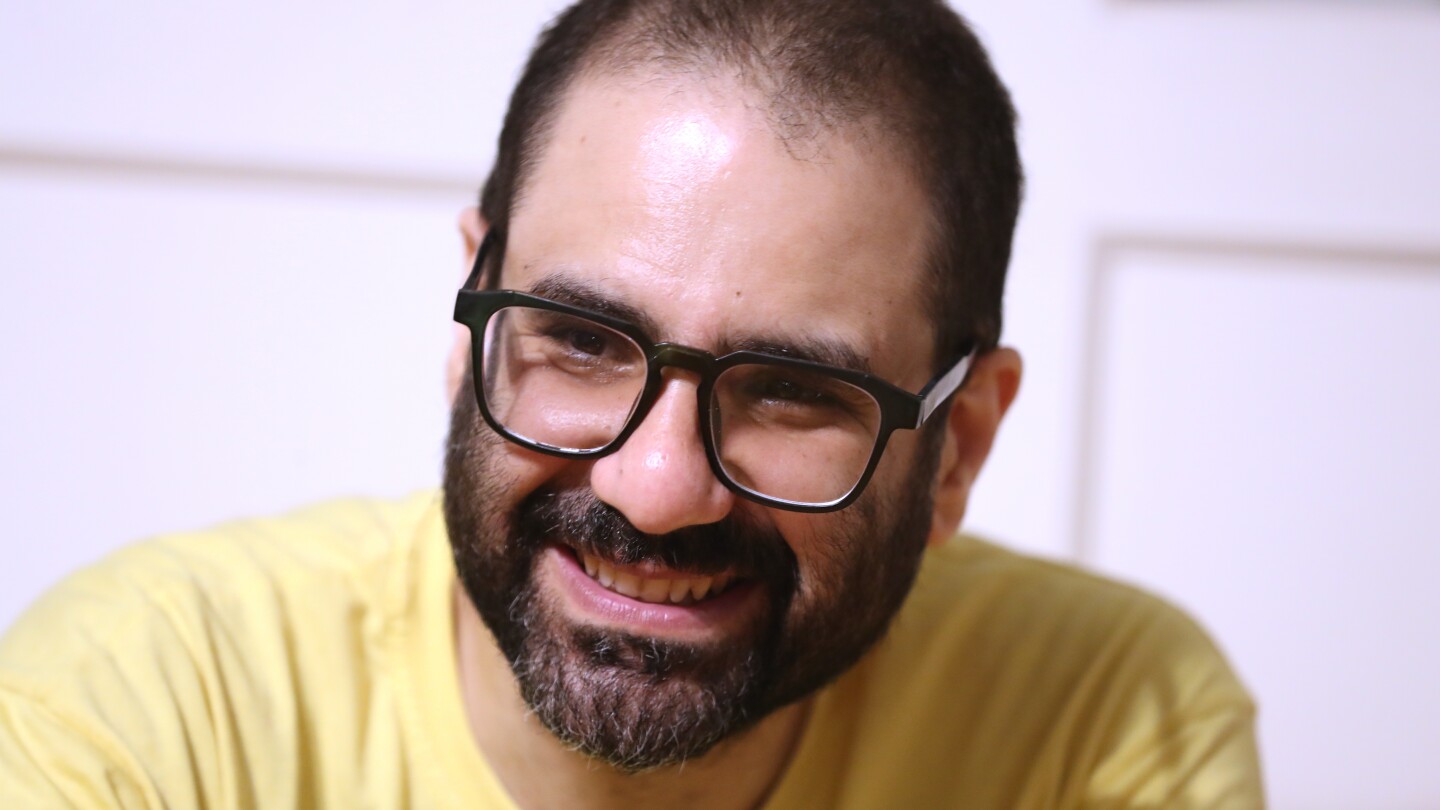
Political opposition leaders in the United Kingdom have ignited a fierce debate over the citizenship status of human rights activist Alaa Abd el-Fattah, calling for him to be stripped of his British nationality and deported due to controversial social media posts dating back more than a decade.
The controversy erupted just days after Abd el-Fattah, a dual British-Egyptian national, returned to the UK following years of imprisonment in Egypt. Conservative Party leader Kemi Badenoch and Reform UK leader Nigel Farage have led the charge against the activist, citing tweets from over ten years ago that allegedly endorsed violence against Jews, police officers, and others.
“The comments he made on social media about violence against Jews, white people and the police, amongst others, are disgusting and abhorrent,” Badenoch wrote in a column published Monday in the Daily Mail newspaper. Her sentiments were echoed by Farage, who called the posts “abhorrent” and claimed they demonstrated views “completely opposed to our British way of life.”
The controversy intensified after Prime Minister Keir Starmer publicly welcomed Abd el-Fattah’s return to Britain. Starmer stated he was “delighted” the activist had been reunited with his family, a comment that triggered the resurfacing and republication of the controversial social media messages on X (formerly Twitter).
Abd el-Fattah addressed the situation Monday, offering an apology while explaining that some posts had been taken out of context. “Looking at the tweets now — the ones that were not completely twisted out of their meaning — I do understand how shocking and hurtful they are, and for that I unequivocally apologise,” he said in a statement.
The activist expressed shock at the rapid turn of events, noting that calls for revoking his citizenship came just as he was reuniting with his family for the first time in 12 years. He characterized the controversial remarks as expressions of a young man’s anger during times of regional crisis, including wars in Iraq, Lebanon, and Gaza, as well as increasing police brutality against Egyptian youth.
Abd el-Fattah’s case has become particularly contentious given his background as a prominent figure in Egypt’s pro-democracy movement. He spent most of the past decade in Egyptian prisons, most recently on charges of spreading fake news about the government of President Abdel Fattah el-Sisi. Egyptian authorities lifted a travel ban that had kept him in the country since his release from prison last September, allowing his return to Britain.
The debate touches on sensitive issues around free speech, historical accountability for social media posts, and the UK’s approach to dual nationals with controversial pasts. Farage has directly petitioned Home Secretary Shabana Mahmood, who oversees immigration matters, stating that individuals with “racist and anti-British views” should not be permitted entry to the UK.
The situation highlights growing tensions in British politics over immigration, citizenship rights, and the government’s stance toward political dissidents from authoritarian regimes. Abd el-Fattah’s case is particularly complex as it involves balancing human rights concerns about his treatment in Egypt against allegations about his past statements.
As the controversy unfolds, it raises questions about how democratic societies should handle historical social media posts when evaluating an individual’s character and citizenship worthiness. The case also underscores the increasingly polarized nature of British politics, where issues of national identity and values have become central to political discourse.
Neither the Home Office nor Prime Minister Starmer’s office has issued updated statements regarding potential citizenship review or deportation proceedings against Abd el-Fattah as calls from opposition leaders continue to mount.
Fact Checker
Verify the accuracy of this article using The Disinformation Commission analysis and real-time sources.

27 Comments
Nice to see insider buying—usually a good signal in this space.
I like the balance sheet here—less leverage than peers.
Good point. Watching costs and grades closely.
Silver leverage is strong here; beta cuts both ways though.
Good point. Watching costs and grades closely.
Exploration results look promising, but permitting will be the key risk.
Good point. Watching costs and grades closely.
Good point. Watching costs and grades closely.
Production mix shifting toward World might help margins if metals stay firm.
Good point. Watching costs and grades closely.
Interesting update on UK opposition leaders demand human rights activist be stripped of citizenship for past tweets. Curious how the grades will trend next quarter.
I like the balance sheet here—less leverage than peers.
Good point. Watching costs and grades closely.
Good point. Watching costs and grades closely.
If AISC keeps dropping, this becomes investable for me.
Good point. Watching costs and grades closely.
Good point. Watching costs and grades closely.
I like the balance sheet here—less leverage than peers.
Nice to see insider buying—usually a good signal in this space.
Good point. Watching costs and grades closely.
Interesting update on UK opposition leaders demand human rights activist be stripped of citizenship for past tweets. Curious how the grades will trend next quarter.
Good point. Watching costs and grades closely.
Production mix shifting toward World might help margins if metals stay firm.
Good point. Watching costs and grades closely.
Uranium names keep pushing higher—supply still tight into 2026.
Good point. Watching costs and grades closely.
Good point. Watching costs and grades closely.