


Listen to the article
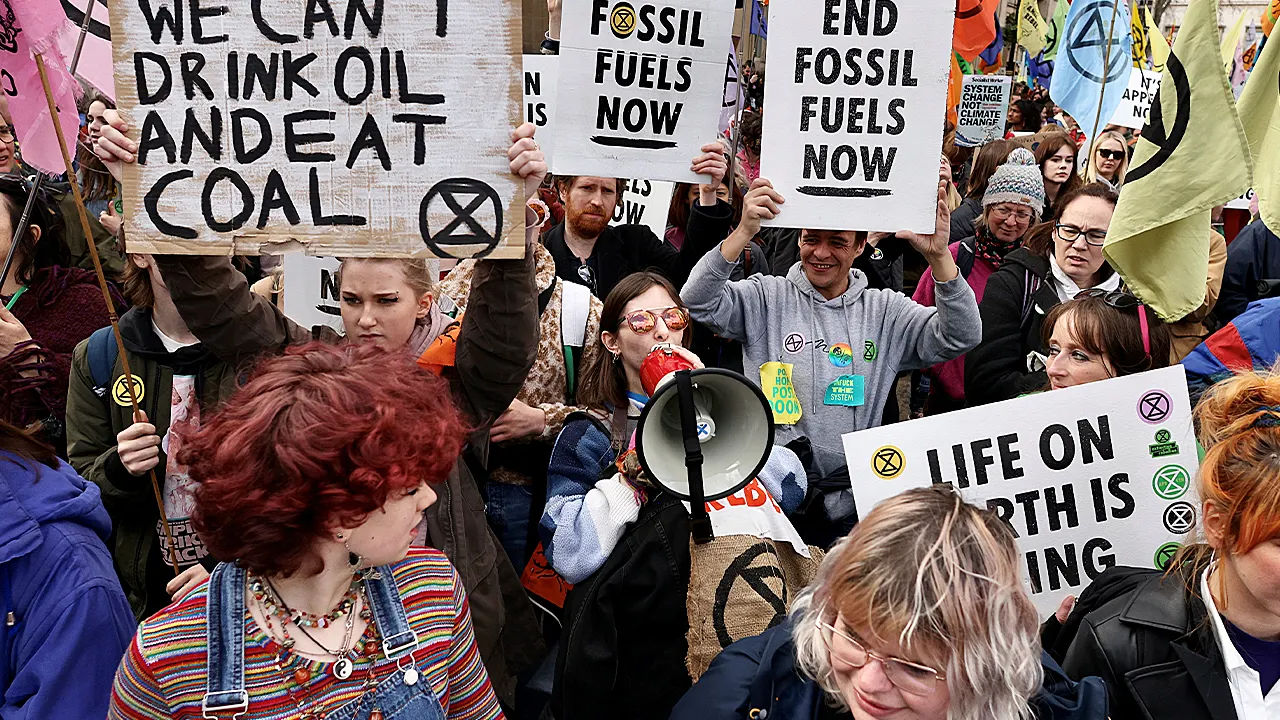
Climate anxiety is significantly impacting British youth, with many questioning whether to have children due to environmental concerns, according to a new report from the United Kingdom Health Security Agency (UKHSA).
The comprehensive assessment, titled “Climate change and mental health: thematic assessment,” reveals that fears about climate change are contributing to mental health struggles among young Britons. Nearly 40 percent of survey respondents indicated that climate change has made them hesitant to have children, citing concerns about their potential offspring’s future safety, access to resources, and quality of life.
“An awareness of climate and environmental change can also lead to emotional or psychological responses, such as eco-anxiety,” the report states, defining eco-anxiety as distress caused by the perceived threat of climate change. The document also introduces the concept of “solastalgia,” described as the sorrow people experience when familiar environments are degraded by environmental changes.
According to the UKHSA, these reactions shouldn’t be dismissed as irrational but should be understood as natural responses to environmental uncertainty. The agency emphasizes that these psychological impacts represent a significant public health concern that warrants attention from healthcare providers and policymakers.
To help address these issues, the UKHSA recommends activities that promote community connection and emotional resilience. “Participating in group and community-based activities, including yoga, citizen science, and climate cafés, was associated with reduced psychological distress,” the report notes. Climate cafés are gatherings where people can discuss their feelings about climate change in a supportive environment.
The findings have sparked debate among experts and advocacy groups. Jason Isaac, CEO of the American Energy Institute, criticized the UK government’s approach, telling the National Review that the country’s “embrace of fringe terms like ‘eco-anxiety’ and ‘solastalgia’ shows how deeply climate propaganda has seeped into official policy.”
Isaac contends that these are not legitimate medical conditions but rather the result of fear-driven messaging that makes people feel guilty about prosperity and family life. “No climate café or government program will solve a mental health crisis created by the Left’s own apocalyptic narrative,” he added.
The debate reflects broader divisions in how climate change communication should be approached. Some experts argue that overly alarmist messaging about climate change can paralyze action and harm mental health, while others maintain that the severity of the crisis warrants urgent attention and emotional responses are appropriate.
Even billionaire philanthropist Bill Gates has recently moderated his tone on climate change, stating that he believes climate issues “will not lead to humanity’s demise,” representing a step back from more alarmist rhetoric.
Mental health professionals note that the rise in climate-related anxiety coincides with increased media coverage of extreme weather events and scientific predictions about future climate scenarios. Young people, who will live to see more of the projected impacts, appear particularly vulnerable to these concerns.
Despite the controversy surrounding the framing of climate anxiety, the UKHSA maintains that addressing the psychological effects of climate change is essential to public health planning in the coming decades. The report suggests that healthcare providers should be prepared to recognize and address climate-related distress as part of routine mental health care.
As climate change continues to affect environments worldwide, the intersection of environmental policy and mental health is likely to remain a significant area of research and public health intervention, particularly for younger generations facing an uncertain climate future.
Fact Checker
Verify the accuracy of this article using The Disinformation Commission analysis and real-time sources.

11 Comments
This is a thoughtful initiative to support young people grappling with eco-anxiety and climate-related mental health challenges. Connecting people through community programs like ‘climate cafés’ could be an effective way to foster resilience and a sense of collective action.
Interesting to see the UK government acknowledge the mental health impacts of climate change and environmental degradation. ‘Solastalgia’ is an insightful concept – the grief people feel when their familiar surroundings are altered. Proactive steps like these ‘climate cafés’ could make a real difference.
Yes, the report highlights an important issue that deserves more attention. Providing outlets for people, especially youth, to process their climate-related anxieties is a compassionate and pragmatic approach.
This is an interesting report on the growing issue of eco-anxiety, especially among young people. It’s understandable that concerns about climate change would impact decisions like having children. Providing mental health support and practical solutions like ‘climate cafés’ could help address these valid concerns.
This report sheds light on the significant psychological toll of climate change, particularly on young people. Providing mental health resources and community-based support systems is a compassionate and pragmatic approach. Addressing eco-anxiety is crucial for building societal resilience in the face of environmental challenges.
Eco-anxiety is a natural and understandable response to the very real threats posed by climate change. Providing accessible mental health support and community-based coping mechanisms is a compassionate approach. Destigmatizing these emotions is an important part of building societal resilience.
The UK’s recognition of the mental health impacts of climate change is an important step. Eco-anxiety and ‘solastalgia’ are real phenomena that deserve understanding and support, not dismissal. Initiatives like ‘climate cafés’ could be valuable in helping people, especially youth, cope with these challenges.
Eco-anxiety is a real and understandable response to the environmental challenges we face. Normalizing these emotions and providing constructive outlets like yoga and community discussion groups is a thoughtful approach by UK officials. Addressing mental health impacts of climate change is crucial.
I agree, destigmatizing eco-anxiety and offering coping mechanisms is an important step. Young people shouldn’t have to shoulder the burden of climate change alone.
This report highlights a critical issue that deserves more attention. Eco-anxiety, especially among young people, is a valid response to the environmental challenges we face. Offering constructive outlets like yoga and ‘climate cafés’ is a thoughtful way to help people process these difficult emotions.
The UK’s recognition of eco-anxiety and its recommendation of yoga, community groups, and other mental health resources is a positive step. Climate change is a complex challenge with significant psychological impacts, and addressing those impacts is crucial. I hope other governments follow suit.