


Listen to the article
UK to Keep Venezuelan Gold Frozen Despite Maduro’s Arrest
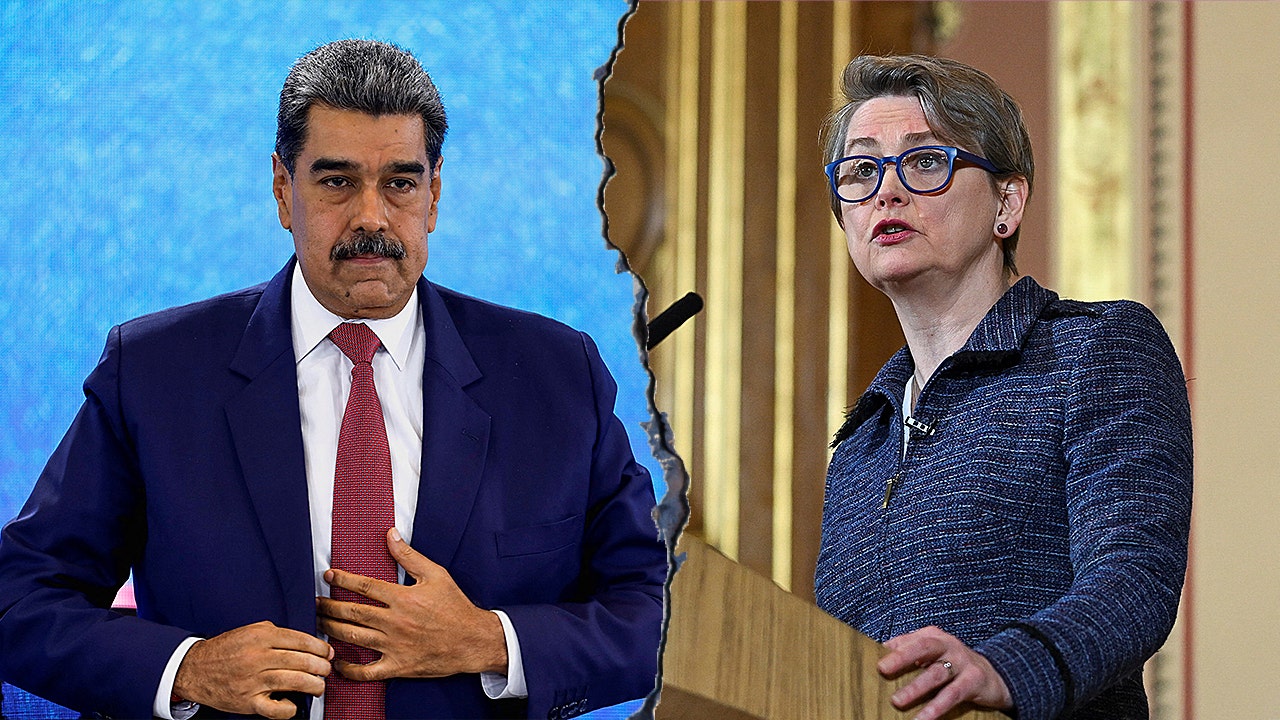
The United Kingdom has indicated that approximately $3 billion worth of Venezuelan gold will remain locked in Bank of England vaults, despite the recent arrest of President Nicolás Maduro and the appointment of interim leader Delcy Rodríguez.
Foreign Secretary Yvette Cooper addressed Parliament on January 5, suggesting that the gold reserves would likely stay frozen as Britain does not recognize Venezuela’s current administration.
“It is important that we have the pressure in place to have a transition to a democracy which is also about the will of the Venezuelan people,” Cooper stated. “Obviously, there are independent decisions for the Bank of England to take, but our principles are about maintaining and pursuing stability and a transition to democracy, and that is what is guiding our approach.”
The disputed gold, which forms part of Venezuela’s central bank reserves, has been frozen since 2020 amid competing claims over legitimate access rights. The legal dispute began when Maduro launched action against the Bank of England, leading to rival claims over who could represent Banco Central de Venezuela, which has been under U.S. sanctions since April 2019.
“So the gold stays where it is,” commented Rhona O’Connell, head of market analysis for EMEA and Asia at StoneX. “This has implications for the gold that is frozen in the Bank of England, and which Maduro has been trying to get released.”
The value of the frozen reserves has appreciated significantly since the legal battles began. UK Supreme Court documents from 2020 valued the gold at approximately $1.95 billion, but with gold prices surging over the past six years, experts now estimate its worth at over $3 billion.
Venezuela’s gold reserves have been systematically depleted as the country’s economic crisis has deepened. O’Connell noted that Venezuela sold large quantities of gold between 2012 and 2016, with “the last major tranche appears to have been 85 metric tons in the first half of 2016, with further small sales thereafter.”
Venezuela last officially reported its reserves to the International Monetary Fund in mid-2018, but figures tracked by the World Gold Council suggest net sales of 179 metric tonnes since 2022 alone.
The UK legal system has maintained a consistent position on the frozen assets, aligned with the government’s foreign policy. The UK High Court initially sided with the Bank of England, though this decision was later overturned by the Court of Appeal. Ultimately, the UK Supreme Court ruled in favor of recognizing Juan Guaidó as Venezuela’s legitimate president.
“This follows the One Voice doctrine, a UK ruling that means when a UK Government refuses to recognize another Head of State, the courts must do likewise,” O’Connell explained.
The ongoing situation highlights the intersection of international politics, sovereign assets, and global financial systems. The Bank of England, which serves as a custodian for many nations’ gold reserves, finds itself in a politically sensitive position as it continues to hold assets from a country in political turmoil.
Switzerland has taken similar action by freezing assets linked to Maduro and dozens of his associates following his arrest by U.S. forces. While Swiss authorities have not disclosed the total value of these assets, data shows Venezuela exported approximately 113 metric tonnes of gold worth roughly $5.2 billion to Switzerland between 2016 and 2022.
These financial restrictions form part of a broader international strategy to pressure Venezuela’s government toward democratic reforms. As the situation evolves following Maduro’s arrest, control of these substantial gold reserves remains a key point of contention in Venezuela’s political and economic future.
The Bank of England and the U.K. Foreign Office have not provided additional comments on the matter.
Fact Checker
Verify the accuracy of this article using The Disinformation Commission analysis and real-time sources.

10 Comments
The UK’s stance appears to be driven by a desire for a peaceful transition to democracy in Venezuela, rather than taking sides in the ongoing political conflict. This is a delicate balancing act with significant economic ramifications.
This is a high-stakes game, with the Venezuelan gold reserves serving as a bargaining chip in the ongoing political and economic turmoil. The UK’s decision to maintain the freeze reflects the delicate nature of this dispute.
I’m curious to learn more about the legal arguments and claims on both sides regarding the Venezuelan gold reserves. This dispute seems to have broader implications for the country’s economic and political future.
It will be interesting to see how this dispute over the gold reserves plays out, especially given the competing claims and the potential impact on Venezuela’s economy. This is an issue worth following closely.
Agreed, the fate of Venezuela’s gold reserves is a critical factor in the country’s economic stability and transition to democracy.
The fate of Venezuela’s gold reserves is closely tied to the larger struggle for power and legitimacy in the country. This dispute highlights the challenges of navigating such complex geopolitical situations.
It’s a tricky situation, with the UK trying to balance principles of democracy and stability while also considering the potential economic impact on the Venezuelan people. There are no easy answers here.
Given the complex history and ongoing tensions in Venezuela, the UK’s decision to maintain the gold reserve freeze is understandable, even if it may create further hardship for the Venezuelan people in the short term.
You make a fair point. The UK’s decision is likely aimed at promoting long-term stability and democracy, even if it has immediate economic consequences for Venezuela.
This is a complex geopolitical situation with significant economic implications for Venezuela. The UK’s decision to maintain the freeze on Venezuela’s gold reserves reflects the ongoing legal and political uncertainty surrounding the country’s leadership.