


Listen to the article
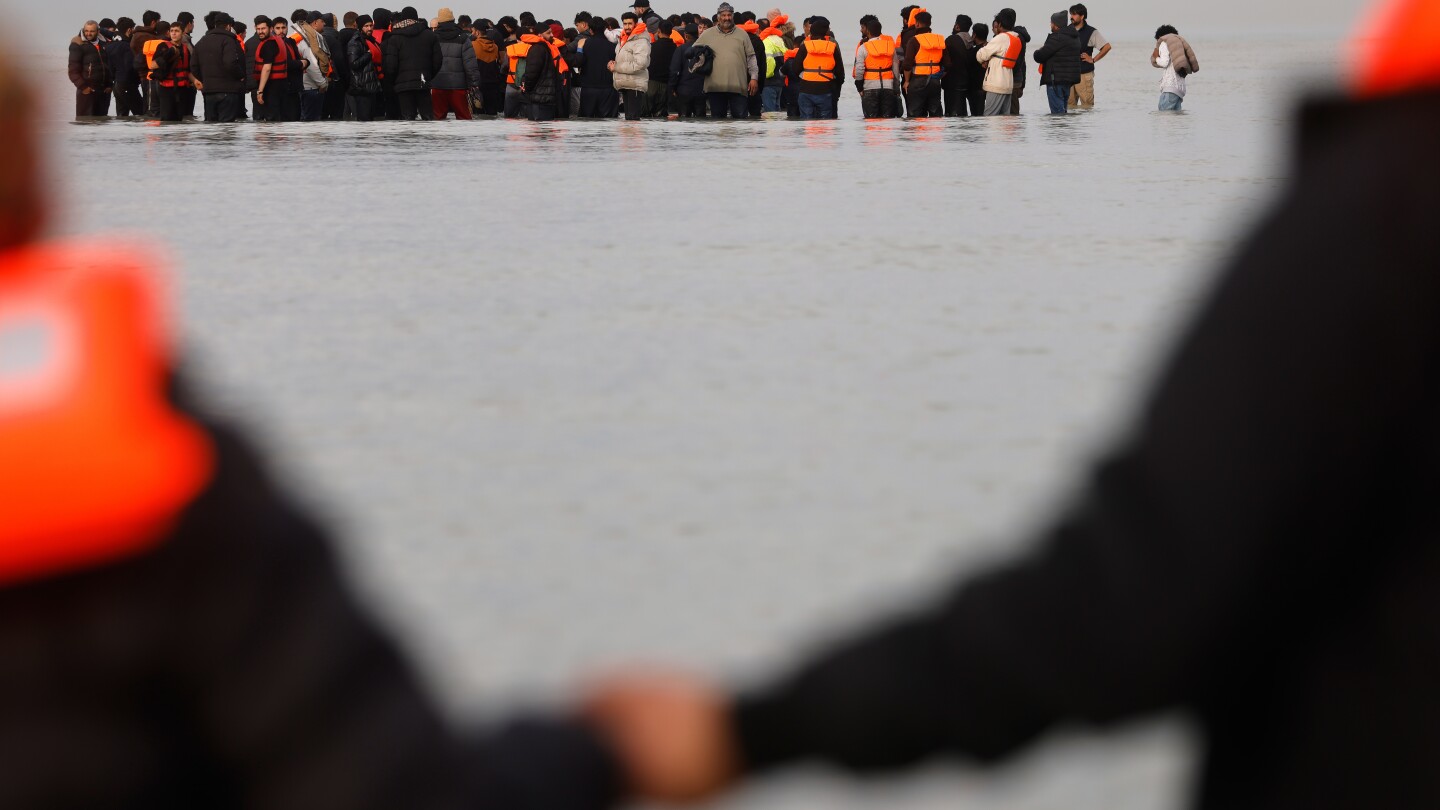
The British government announced plans Monday to overhaul its asylum system with sweeping reforms modeled after Denmark’s restrictive immigration policies, as it grapples with rising numbers of migrants crossing the English Channel in small boats.
Home Secretary Shabana Mahmood outlined the changes in the House of Commons, framing them as part of a moral mission to control the UK’s borders while reuniting a politically divided country on the contentious immigration issue.
“People can see huge pressure in their communities and they can also see a system that is broken, and where people are able to flout the rules, abuse the system and get away with it,” Mahmood told the BBC ahead of her parliamentary address.
The proposed reforms include revoking the UK’s legal duty to provide support for asylum seekers—a requirement introduced under EU law in 2005—which would allow the government to withdraw housing and weekly allowances currently guaranteed to migrants. Benefits could also be denied to those who have work authorization but remain unemployed, as well as those who break the law or work illegally.
Additionally, refugee status would be subject to regular review to determine if individuals can safely return to their countries of origin. The government also plans to establish designated safe pathways for migrants to claim asylum without resorting to dangerous Channel crossings.
Immigration has remained a politically explosive issue in Britain, contributing to the rise of Nigel Farage’s hard-right Reform UK Party. The situation intensified this summer when protests—some turning violent—erupted outside hotels housing asylum seekers following an incident in which a migrant was arrested and later convicted of attempting to sexually assault a 14-year-old girl.
More than 39,000 migrants have arrived by boat in the UK so far this year, already surpassing 2023’s total of nearly 37,000. However, this figure remains below the record set in 2022. These Channel crossings represent just a fraction of total immigration to the UK, with most foreigners entering legally through visa programs.
Official statistics show that net migration—the number of people entering minus those leaving—has declined significantly over the past year, falling from 860,000 to 431,000 in the year ending June 2024, a nearly 50 percent reduction.
The Labour government’s approach marks a shift from the previous Conservative administration’s controversial Rwanda deportation plan, which Prime Minister Keir Starmer scrapped upon taking office last year. That policy would have sent asylum seekers to the East African nation for processing but never took effect due to legal challenges.
The Home Office indicated that the new policy draws inspiration from Denmark, which has reduced its asylum applications to a 40-year low and successfully removed 95 percent of those who sought to settle there. Once known as a welcoming destination for refugees, Denmark has imposed increasingly strict immigration controls that have drawn international criticism for discouraging legitimate asylum seekers.
Critics within the opposition Conservative Party have already dismissed Labour’s proposals as inadequate. Chris Philp, a Conservative MP, characterized the reforms as merely “tinkering at the edges” and predicted they would fail to stem the flow of unauthorized migrants.
“I don’t object to it in principle, but it’s not going to work,” Philp told the BBC. “It’s gimmicks. It’s rearranging the deck chairs on the Titanic. It’s not going to stop people getting on boats.”
The government’s plans reflect the continuing struggle of Western nations to balance humanitarian obligations with domestic political pressures around immigration. For Britain, this challenge has been particularly acute since Brexit, as the country seeks to establish its independent approach to border control and asylum policy outside the European Union framework.
Fact Checker
Verify the accuracy of this article using The Disinformation Commission analysis and real-time sources.

8 Comments
This is a complex issue with valid concerns on all sides. Reforming the asylum system is tricky, as the UK tries to balance compassion, security, and public sentiment. I’m curious to see the details of these proposed changes and how they’ll impact migrants and the communities they live in.
You raise a good point. Any reforms will need to carefully consider the human impact and avoid unintended consequences. It’s important to find a balanced approach that upholds humanitarian values while also addressing legitimate public concerns.
While the UK government cites public concerns over the asylum system, these proposed reforms seem quite draconian. Stripping away basic support and rights for vulnerable migrants is deeply concerning and could undermine humanitarian principles.
Reforming the asylum system is a complex challenge, but I’m skeptical that simply emulating Denmark’s restrictive policies is the right approach for the UK. A more nuanced, compassionate solution seems necessary to address the issue fairly and effectively.
I share your skepticism. Wholesale adoption of another country’s model may not be the best fit for the UK’s unique circumstances and values. A thoughtful, tailored approach is likely needed.
The UK’s asylum system has been under strain for years, so some reform may be warranted. However, these proposals sound quite restrictive and could have significant impacts on vulnerable migrants. I hope the government considers the full implications before implementing any major changes.
Overhauling the asylum system is a politically charged move, especially given the sensitive nature of immigration debates in the UK. I’m interested to see how this plays out and whether the proposed policies will achieve their intended goals.
Agreed. Reforms to the asylum process are bound to be controversial. The government will need to tread carefully and find solutions that are both pragmatic and humane.