


Listen to the article
The United Kingdom expelled a Russian diplomat on Wednesday in a direct response to Moscow’s earlier expulsion of a British official and what London described as a subsequent smear campaign, further escalating diplomatic tensions between the two nations.
British officials summoned the Russian ambassador to the Foreign, Commonwealth and Development Office in London to inform him of the retaliatory measure. The move marks the latest in a series of diplomatic confrontations that have characterized deteriorating relations between Russia and Western nations.
“This behavior is wholly unacceptable, and we will not tolerate harassment or intimidation of our diplomatic staff,” the Foreign Office stated, emphasizing Britain’s firm stance against what it perceives as Russian aggression toward its diplomatic personnel.
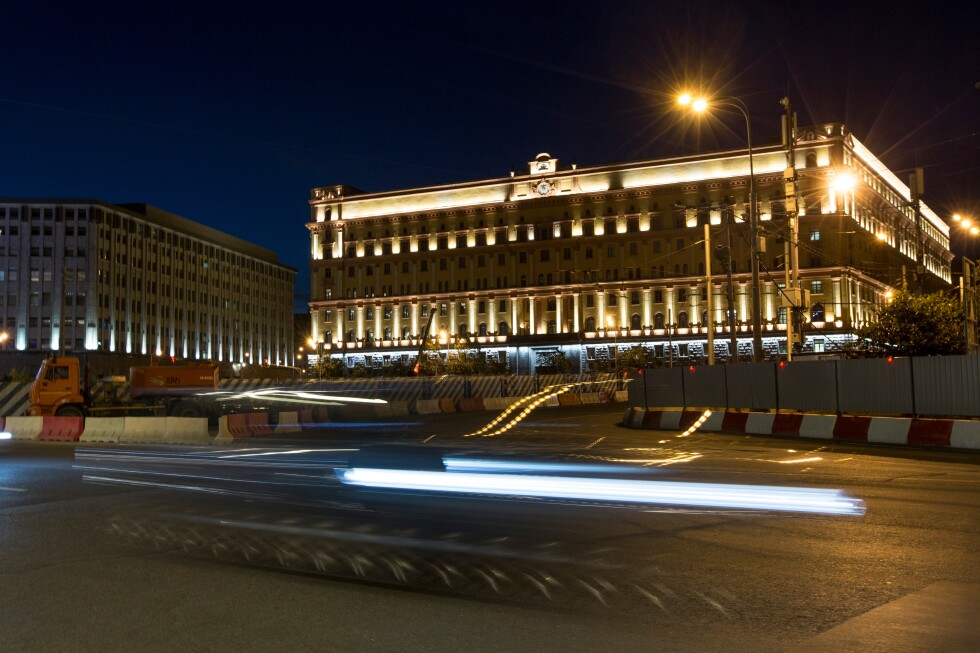
The expulsion follows Russia’s actions last month when it ordered a British diplomat to leave the country over allegations of espionage. Moscow’s Federal Security Service (FSB), the country’s primary domestic security and counterintelligence agency, claimed the diplomat had attempted to collect “sensitive information” about the Russian economy through “unofficial meetings” with Russian experts. The diplomat was given two weeks to depart Russian territory.
British authorities swiftly rejected these accusations, dismissing them as “complete nonsense” and viewing them as part of a broader pattern of provocative behavior from the Kremlin aimed at Western nations.
This diplomatic row occurs against the backdrop of severely strained relations between Russia and NATO member states since Russia launched its full-scale invasion of Ukraine in February 2022. The conflict has triggered multiple rounds of mutual diplomatic expulsions, with embassies on both sides operating with increasingly reduced staff.
Diplomatic relations between Moscow and Western capitals have plummeted to their lowest point since the Cold War era, with trust at a minimum and communication channels severely limited. These reciprocal expulsions have become a common diplomatic tool used by both sides to express displeasure over perceived hostile actions.
The conflict has had significant implications beyond Ukraine’s borders, affecting global energy markets, trade relationships, and security alliances. For the United Kingdom specifically, which has been one of Ukraine’s staunchest supporters in terms of military aid and sanctions against Russia, the deterioration in relations with Moscow represents a calculated risk in its foreign policy approach.
Security experts note that such diplomatic expulsions typically disrupt intelligence gathering operations, as diplomatic cover is often used for intelligence activities by both sides. However, they also serve as symbolic political gestures that allow governments to demonstrate resolve without escalating to more severe measures.
The British government has maintained a consistent position that Russia must face consequences for its actions in Ukraine and its broader destabilizing activities, including alleged cyberattacks, disinformation campaigns, and interference in democratic processes.
For Russia, the expulsion of Western diplomats aligns with President Vladimir Putin’s narrative of a Russia besieged by hostile Western powers. The Kremlin has increasingly positioned itself in opposition to what it characterizes as Western hegemony, despite facing significant economic challenges due to international sanctions.
As diplomatic missions in both countries continue to operate with diminished capacity, the practical impacts on consular services, business relations, and cultural exchanges between Russia and the UK will likely continue to suffer. Visa processing, commercial advocacy, and other diplomatic functions now face increased complications as fewer staff remain in place.
Analysts suggest that as long as the Ukraine conflict continues, these diplomatic tensions will persist, with the potential for further rounds of expulsions if new provocations or allegations emerge from either side.
Fact Checker
Verify the accuracy of this article using The Disinformation Commission analysis and real-time sources.

8 Comments
This is a tricky situation. Diplomatic retaliation is often a delicate balancing act, seeking to respond firmly while avoiding further inflaming tensions. I hope the UK and Russia can find a way to de-escalate through measured dialogue.
Diplomatic spats like this are concerning, especially given the broader geopolitical tensions between Russia and the West. It’s an unfortunate situation, but the UK seems to feel this was a necessary response. I hope they can find a way to ease tensions going forward.
Me too. Escalating diplomatic conflicts often leads to further deterioration in relations. Both sides need to exercise restraint and seek constructive dialogue if they want to improve the situation.
Interesting move by the UK government. Diplomatic retaliation often escalates tensions, but sometimes it’s necessary to stand up to unfair treatment of one’s officials. I wonder if this will lead to further escalation or if cooler heads will prevail.
Agreed, these tit-for-tat expulsions rarely lead to positive outcomes. Hopefully both sides can find a way to de-escalate the situation through diplomacy.
Tit-for-tat expulsions of diplomats rarely lead to positive outcomes. While the UK may feel this was a necessary response, I hope cooler heads can prevail and both sides work to ease tensions through constructive dialogue.
Agreed. Escalating diplomatic conflicts often makes the overall situation worse. Both Russia and the UK should focus on finding ways to improve relations through open communication and compromise.
Russia’s alleged harassment of UK diplomatic staff is very concerning. The UK’s response seems measured, but I worry this could spiral further. In these tense times, both sides need to be cautious and prioritize de-escalation through diplomacy.