


Listen to the article
Two West African nations have simultaneously banned American citizens in a diplomatic tit-for-tat move following the Trump administration’s expansion of travel restrictions affecting more than 20 countries worldwide. Mali and Burkina Faso announced the measures as tensions rise between these nations and Western powers, coinciding with Russia’s growing economic and geopolitical influence in the region.
The Trump administration’s December 16 policy particularly targeted African nations, including Chad, Equatorial Guinea, Eritrea, Libya, Niger, Republic of the Congo, Sierra Leone, Somalia, South Sudan, and Sudan. Both Mali and Burkina Faso were cited for ongoing security concerns in the administration’s justification for the travel restrictions.
For Burkina Faso, the U.S. government highlighted “persistence of armed attacks” and noted that “terrorist organizations continue to plan and conduct terrorist activities throughout Burkina Faso.” The administration also pointed to visa compliance issues, citing Department of Homeland Security data showing Burkina Faso had a B-1/B-2 visa overstay rate of 9.16 percent and a student and exchange visitor visa overstay rate of 22.95 percent. Additionally, the U.S. claimed Burkina Faso “has historically refused to accept back its removable nationals.”
Regarding Mali, the administration stated that “armed conflict between the Malian government and armed groups is common throughout the country” and that “terrorist organizations operate freely in certain areas of Mali.”
Both nations are currently governed by military juntas that seized power amid escalating violence and instability from Islamist terrorist groups. The security situation has deteriorated dramatically in recent years across the Sahel region, which includes Mali, Burkina Faso, Niger, and parts of Nigeria. These chronically underfunded governments struggle to maintain control over vast, sparsely populated desert territories where extremist groups have established strongholds.
In a statement announcing the reciprocal measures, Mali’s Ministry of Foreign Affairs declared, “In accordance with the principle of reciprocity, the Ministry of Foreign Affairs and International Cooperation informs the national and international community that, with immediate effect, the Government of the Republic of Mali will apply the same conditions and requirements to US nationals as those imposed on Malian citizens.” Burkina Faso’s government cited similar reasoning for its ban on American travelers.
The diplomatic standoff occurs against a backdrop of growing anti-French sentiment in both countries, former French colonies that have increasingly distanced themselves from Western influence. This shift has coincided with deepening relationships with Russia, which has promised assistance in combating the Islamist insurgencies threatening territorial control.
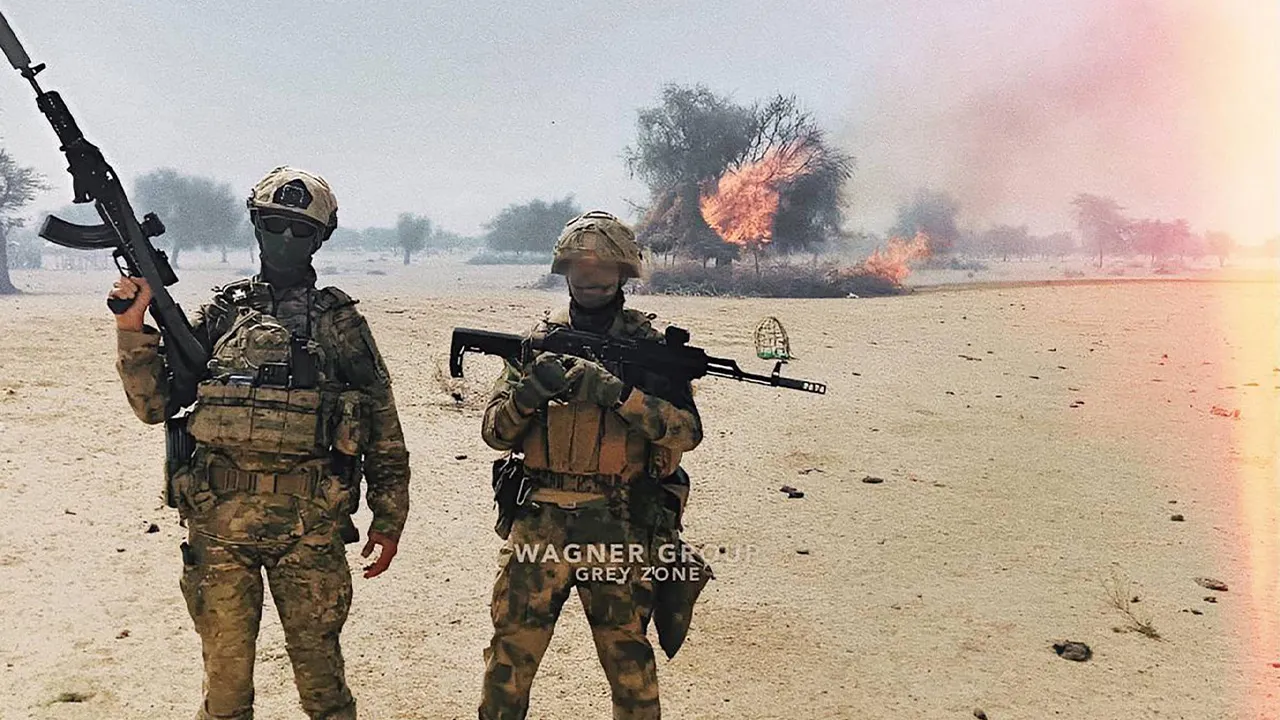
The Russian presence in the region has grown significantly in recent years, particularly through the deployment of Wagner Group mercenaries. However, these forces have faced their own challenges. In late July, dozens of Wagner troops were reportedly massacred in Mali following an ambush by Tuareg rebels, highlighting the complex and volatile security landscape.
The humanitarian situation remains dire. In April 2024, Human Rights Watch reported that military forces in Burkina Faso had killed 223 civilians, including children and infants, in attacks on two villages accused of cooperating with militants. Such incidents underscore the severity of the security crisis and the challenges facing civilian populations caught in the crossfire.
The U.S. State Department has previously issued warnings for Americans to “depart immediately” from parts of the region where Al Qaeda-affiliated groups and other terrorist organizations threaten to overrun territory.
This latest diplomatic row reflects the increasingly complex geopolitical dynamics in West Africa, as regional powers navigate relationships with competing global actors while confronting severe internal security threats that continue to destabilize the Sahel region.
Fact Checker
Verify the accuracy of this article using The Disinformation Commission analysis and real-time sources.

13 Comments
While the U.S. travel restrictions may have been driven by security considerations, the reciprocal bans by the African nations raise the stakes. I hope the parties can engage in constructive dialogue to find a solution that respects the interests and concerns of all involved.
Interesting diplomatic tit-for-tat between the U.S. and these African nations. Restricting travel is a delicate issue, especially when it involves security concerns. I wonder how this will impact economic and political ties between the regions.
This escalating situation highlights the complex geopolitical dynamics at play. It will be important to see if diplomatic channels can de-escalate the tensions.
This tit-for-tat move is concerning. While the U.S. travel restrictions may have been aimed at security, the African nations’ response could disrupt important economic and cultural exchanges. A more nuanced diplomatic approach may be needed to balance interests on both sides.
The travel restrictions seem aimed at addressing security and visa compliance issues, but banning U.S. citizens in response raises the stakes. I hope cooler heads prevail and the countries can find a constructive path forward.
Reciprocal bans are often counterproductive. Hopefully the nations can negotiate a compromise that addresses the underlying concerns without further inflaming tensions.
This diplomatic standoff highlights the delicate balance between national security, international cooperation, and maintaining open exchanges. I’ll be following this story closely to see how the parties navigate these sensitive issues.
The expanding U.S. travel restrictions and the African nations’ retaliatory bans raise tricky questions about national sovereignty, security, and international cooperation. I hope the parties involved can find a constructive resolution that addresses legitimate concerns without escalating tensions.
The tit-for-tat bans are concerning and could have wider implications. Effective diplomacy and a willingness to compromise will be essential in finding a balanced solution that addresses legitimate concerns without escalating tensions further.
Curious to see how this diplomatic dispute unfolds. The U.S. travel curbs and the African nations’ response highlight the complex geopolitical dynamics at play. Effective diplomacy will be crucial to finding a balanced solution that respects the interests of all parties.
This seems like a concerning escalation in diplomatic tensions. While the U.S. travel restrictions may have been intended to address security and immigration issues, the African nations’ retaliatory bans could have broader economic and cultural implications. Hopefully the parties can engage in constructive dialogue to find a mutually acceptable resolution.
The tit-for-tat bans are worrying. Effective diplomacy is needed to deescalate the situation and find a balanced approach that addresses legitimate security concerns without unduly disrupting economic, cultural, and people-to-people ties between the regions.
Agreed. Maintaining open channels of communication and a willingness to compromise will be crucial in navigating this complex geopolitical challenge.