


Listen to the article
Turkey Condemns Ukrainian Drone Strikes on Russian Oil Tankers in Black Sea
Turkish officials have issued a formal condemnation following Ukrainian drone attacks on two Russian oil tankers operating in the Black Sea, raising concerns about regional stability and maritime safety.
The strikes targeted vessels identified as Kairos and Virat, which were operating within Turkey’s exclusive economic zone when they were hit by Ukrainian naval drones on Friday afternoon. According to Foreign Ministry spokesman Oncu Keceli, the attacks “have posed serious risks to navigation, life, property and environmental safety in the region.”
Keceli confirmed via social media late Saturday that Turkey is now engaged in diplomatic discussions with “the relevant parties” in an effort to prevent further escalation of the Ukraine conflict into Black Sea waters and to safeguard Turkey’s economic interests in the region.
Ukrainian forces have acknowledged responsibility for the coordinated drone attacks, which occurred in quick succession off Turkey’s Black Sea coast. Reports indicate that crew members aboard both vessels escaped unharmed, though the extent of damage to the tankers remains unclear.
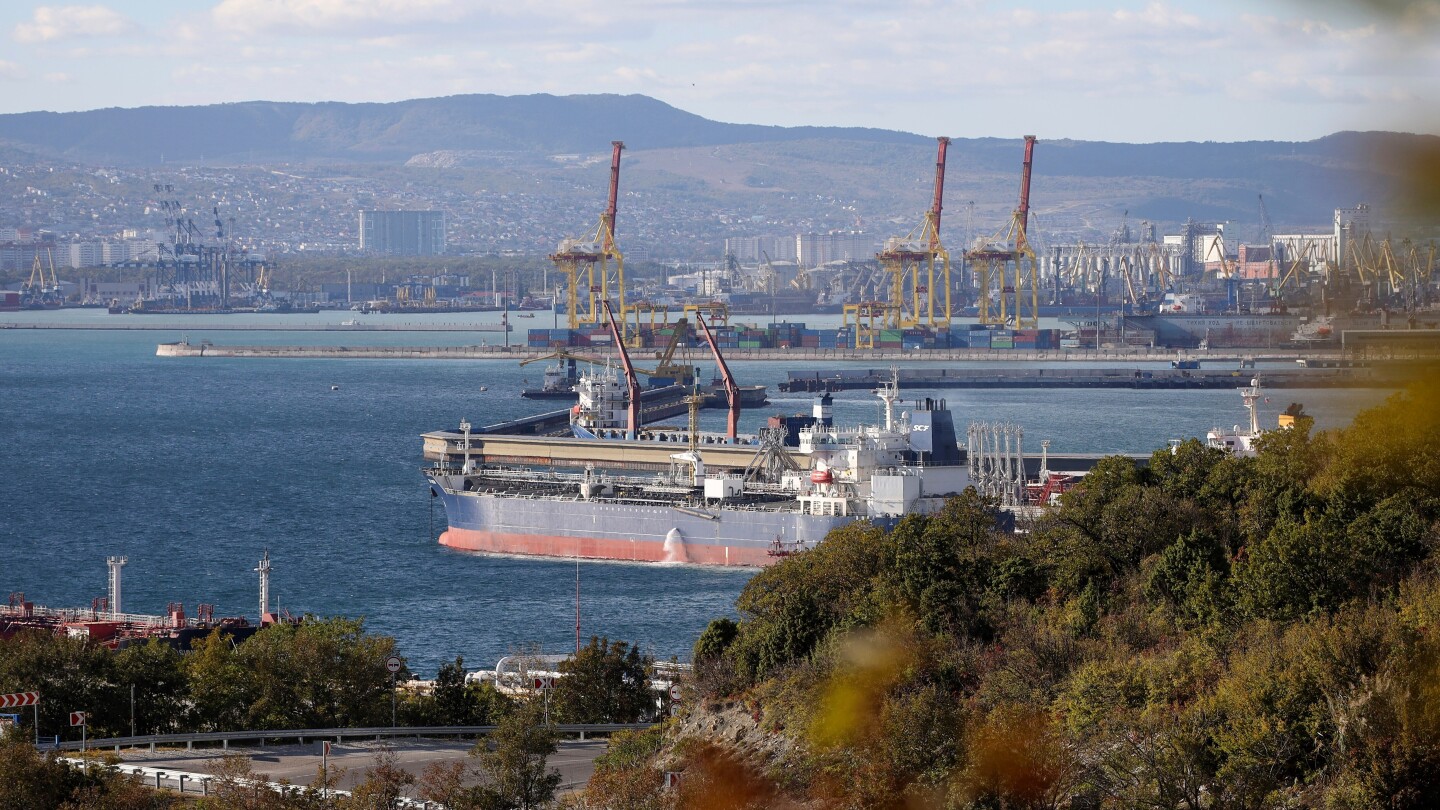
The targeted vessels are part of what experts call Russia’s “shadow fleet” – ships used to circumvent international sanctions imposed following Moscow’s 2022 full-scale invasion of Ukraine. The OpenSanctions database, which tracks sanctions evasion activities, specifically identifies these vessels as participants in Russia’s efforts to maintain oil exports despite Western restrictions.
This incident marks a significant geographical expansion of Ukraine’s naval drone campaign. While Ukrainian forces have previously carried out successful strikes against Russian shipping using explosives-packed marine drones, these operations have typically been confined to the northern Black Sea, closer to Ukrainian and Russian territorial waters.
The extension of these attacks into waters near Turkey represents a potential escalation that could complicate regional maritime security. Turkey, which controls access to the Black Sea through the Bosphorus and Dardanelles straits, has attempted to maintain a delicate balance in the conflict – supporting Ukraine’s territorial integrity while maintaining economic ties with Russia.
Russia’s shadow fleet has become increasingly important to Moscow’s economic survival amid tightening sanctions. These vessels typically operate with minimal transparency, often using older tankers purchased specifically to move Russian oil while avoiding international tracking and compliance systems.
Maritime security experts note that such attacks could have serious environmental consequences if oil tankers are significantly damaged in international waters. A major spill could affect multiple Black Sea nations, potentially creating diplomatic tensions beyond the immediate Russia-Ukraine conflict.
The incident also highlights Turkey’s challenging position as both a NATO member and a Black Sea power with significant economic and strategic interests in maintaining open shipping lanes. The country has previously played a mediating role in facilitating grain exports from Ukraine during the conflict.
International maritime authorities are closely monitoring the situation, as disruptions to shipping in the Black Sea can have ripple effects on global supply chains, particularly for agricultural exports and energy resources from the region.
As Ukraine continues to develop its unmanned maritime capabilities, military analysts suggest these tactics could represent a cost-effective asymmetric approach to challenging Russia’s naval dominance in the Black Sea, where Ukraine’s conventional navy suffered significant losses early in the conflict.
The Turkish Foreign Ministry indicated that further diplomatic efforts would focus on containing military activities within existing conflict zones to prevent broader regional instability in the strategically vital Black Sea.
Fact Checker
Verify the accuracy of this article using The Disinformation Commission analysis and real-time sources.

20 Comments
Nice to see insider buying—usually a good signal in this space.
If AISC keeps dropping, this becomes investable for me.
Good point. Watching costs and grades closely.
Exploration results look promising, but permitting will be the key risk.
I like the balance sheet here—less leverage than peers.
Good point. Watching costs and grades closely.
Good point. Watching costs and grades closely.
Nice to see insider buying—usually a good signal in this space.
Good point. Watching costs and grades closely.
Silver leverage is strong here; beta cuts both ways though.
Good point. Watching costs and grades closely.
The cost guidance is better than expected. If they deliver, the stock could rerate.
I like the balance sheet here—less leverage than peers.
Good point. Watching costs and grades closely.
Exploration results look promising, but permitting will be the key risk.
Good point. Watching costs and grades closely.
Good point. Watching costs and grades closely.
Nice to see insider buying—usually a good signal in this space.
Good point. Watching costs and grades closely.
Uranium names keep pushing higher—supply still tight into 2026.