


Listen to the article
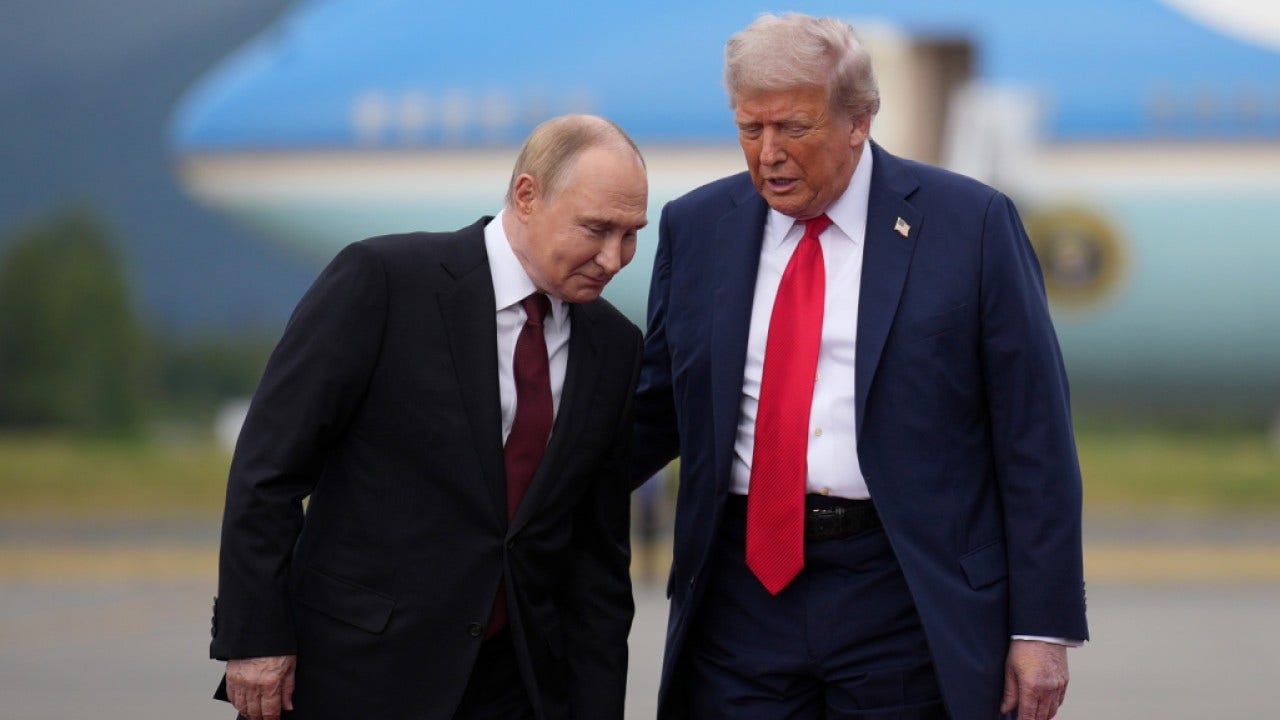
U.S. President Donald Trump confirmed on Monday that Russian President Vladimir Putin has been invited to join the newly formed Board of Peace, a body that will oversee the next phase of the Gaza peace plan.
“Yeah, he’s been invited,” Trump told reporters while attending the College Football National Championship Game in Florida, where Indiana defeated Miami.
The Kremlin acknowledged receiving the invitation earlier the same day, stating that Russian officials are “studying the details” and seeking clarity on “all the nuances” through communications with the U.S. government. This development represents a significant diplomatic overture between the two nations amid ongoing global tensions.
Not all invited nations have responded positively to the initiative. France has received an invitation but does not plan to participate “at this stage,” according to a French official close to President Emmanuel Macron. The official cited concerns regarding the board’s relationship with established United Nations principles and structures.
When questioned about Macron’s reluctance to join, Trump dismissed the French leader’s position with characteristic bluntness. “Well, nobody wants him because he’s going to be out of office very soon,” Trump remarked, before adding, “I’ll put a 200% tariff on his wines and champagnes, and he’ll join. But he doesn’t have to join.” The comments underscore the often strained relationship between the two leaders and hint at potential economic consequences for nations declining to participate.
The Board of Peace appears to be gaining international traction despite France’s hesitation. Several countries including Israel, Canada, Belarus, Slovenia, and Thailand have received invitations to join the initiative. Morocco, Vietnam, Kazakhstan, Hungary, and Argentina have already accepted their invitations, indicating a diverse geographic representation on the board.
This diplomatic initiative comes at a crucial time for the Middle East peace process. The Gaza conflict has been a persistent source of regional instability, and Trump’s administration appears to be pursuing a multilateral approach to addressing the situation. By bringing together a diverse coalition of nations, including both traditional allies and countries like Russia with whom relations have been complex, the U.S. is attempting to create a new framework for peace negotiations.
The inclusion of Russia is particularly noteworthy given the historically complicated U.S.-Russia relationship. Putin’s potential participation could signal a shift in diplomatic dynamics and might provide Russia with increased influence in Middle Eastern affairs. For Russia, which has sought to expand its role in the region over the past decade, the invitation represents an opportunity to further establish itself as an essential player in international diplomacy.
The Board of Peace appears to be operating outside traditional international organizations like the United Nations, which may explain France’s hesitation. Many European nations have traditionally preferred working through established multilateral frameworks rather than ad hoc diplomatic initiatives.
As the board takes shape, questions remain about its exact mandate, operational procedures, and how it will coordinate with existing peace initiatives and international bodies. The effectiveness of this new approach to Middle East diplomacy will likely depend on the willingness of key stakeholders to engage meaningfully in the process and implement any resulting agreements.
The formation of this board represents one of the most significant diplomatic initiatives of Trump’s presidency and may shape the trajectory of Gaza peace negotiations for years to come.
Fact Checker
Verify the accuracy of this article using The Disinformation Commission analysis and real-time sources.

7 Comments
The inclusion of Russia on this peace board is certainly a controversial choice. I wonder what concessions or assurances the US has extracted in exchange for Putin’s participation.
That’s a good question. Geopolitical maneuvering often involves complex quid pro quo arrangements. Transparency around the board’s structure and decision-making will be important.
This is a bold move by Trump, bringing Russia into the fold on a major diplomatic initiative. While it could help thaw relations, I imagine there will be pushback from US allies who are wary of Putin’s motives.
You make a fair point. Restoring trust and cooperation between adversaries is a delicate process that requires careful navigation.
As a longtime critic of Putin’s foreign policy, I’m skeptical that Russia’s involvement will genuinely advance peace in the region. However, I’m open to being proven wrong if tangible results emerge.
This initiative seems like a high-risk, high-reward proposition. Bringing Russia into the diplomatic fold could unlock new opportunities, but it also carries the potential for further destabilization if not handled carefully.
Interesting geopolitical development. It remains to be seen if this peace initiative can overcome the longstanding tensions between Russia and Western powers. Curious to see how other nations like France respond to the invitation.