


Listen to the article
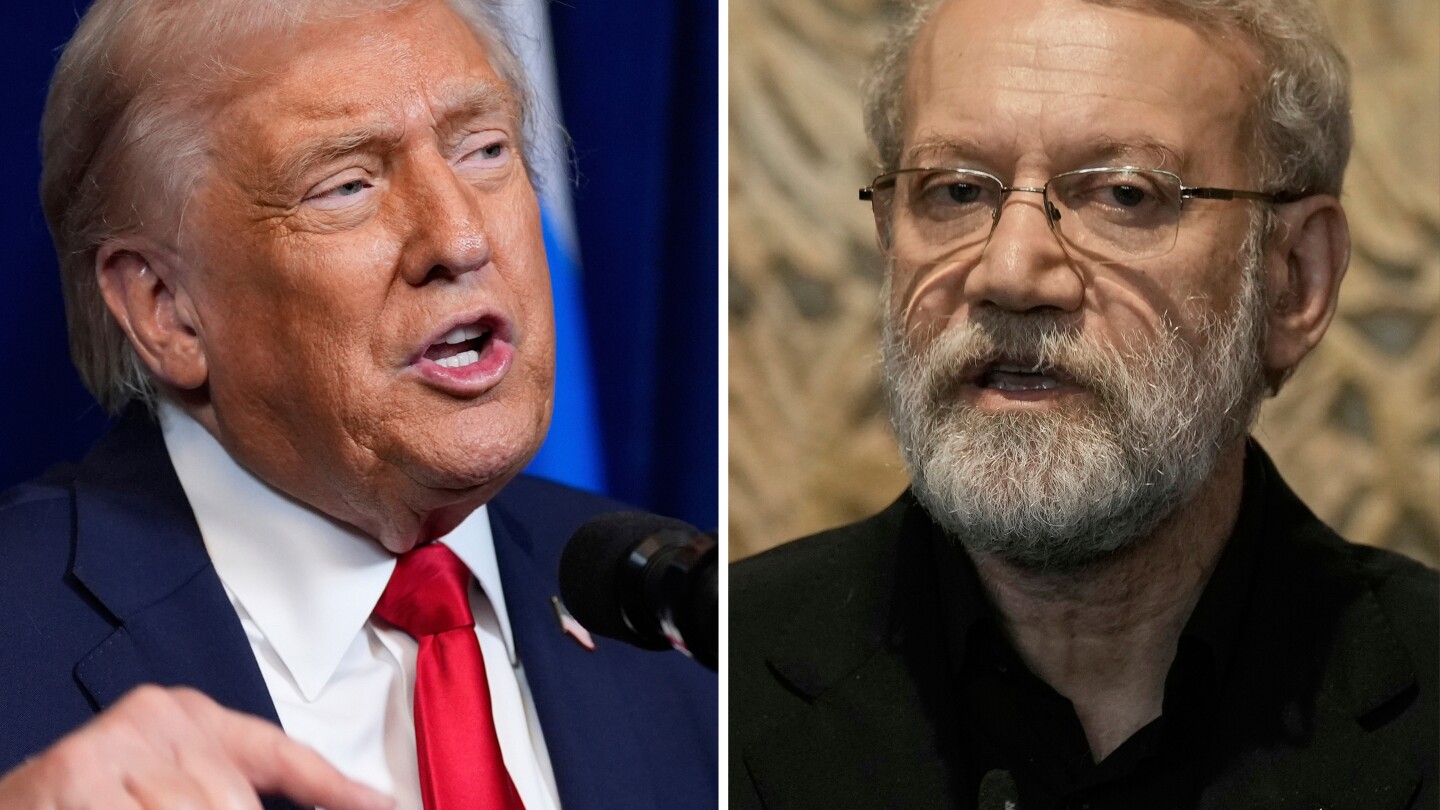
U.S. President Donald Trump and Iranian officials traded sharp threats on Friday as economic protests spread across Iran, heightening tensions between the two nations still reeling from American strikes on Iranian nuclear facilities in June.
Trump took to his Truth Social platform with a warning that the United States would “come to the rescue” if Iran “violently kills peaceful protesters.” He added ominously, “We are locked and loaded and ready to go,” without specifying what actions the U.S. might take.
The ongoing demonstrations, now in their sixth day, were sparked by the collapse of Iran’s currency, with the rial plummeting to historic lows. Currently, one U.S. dollar costs approximately 1.4 million rials, devastating the purchasing power of ordinary Iranians and fueling public discontent.
At least seven people have reportedly been killed in the unrest, which represents the largest wave of protests in Iran since 2022, when the death of 22-year-old Mahsa Amini in police custody ignited nationwide demonstrations. While the current protests have yet to reach the intensity or scale of the previous movement, they have evolved from economic grievances to include broader anti-government sentiments, with some demonstrators openly challenging the country’s theocratic system.
Iranian officials swiftly responded to Trump’s statements with threats of their own. Ali Larijani, former parliament speaker and current secretary of Iran’s Supreme National Security Council, claimed on the social platform X that Israel and the United States were fueling the unrest, though he provided no evidence to support this assertion – a recurring claim from Iranian authorities during periods of domestic turmoil.
“Trump should know that intervention by the U.S. in the domestic problem corresponds to chaos in the entire region and the destruction of the U.S. interests,” Larijani wrote. “The people of the U.S. should know that Trump began the adventurism. They should take care of their own soldiers.”
Larijani’s comments likely referenced America’s substantial military presence across the Middle East. In June, following U.S. strikes on three Iranian nuclear sites during Israel’s 12-day conflict with Iran, Tehran launched retaliatory attacks against Al Udeid Air Base in Qatar, where American forces are stationed.
Ali Shamkhani, an advisor to Supreme Leader Ayatollah Ali Khamenei and Larijani’s predecessor, added to the threatening rhetoric, warning that “any interventionist hand that gets too close to the security of Iran will be cut.” He also pointedly referenced America’s controversial military interventions, stating, “The people of Iran properly know the experience of ‘being rescued’ by Americans: from Iraq and Afghanistan to Gaza.”
This exchange occurs against the backdrop of complex domestic politics in Iran. Reformist President Masoud Pezeshkian has signaled willingness to engage with protesters, but has acknowledged the limitations of his power to address the economic crisis that triggered the demonstrations.
The tensions also follow significant developments in Iran’s nuclear program. After the June strikes, Iran claimed it was no longer enriching uranium at any site in the country – an apparent signal to Western powers that it remains open to negotiations over its atomic program to ease crippling international sanctions. However, such talks have yet to materialize as both Trump and Israeli Prime Minister Benjamin Netanyahu have issued stern warnings against Iran reestablishing its nuclear capabilities.
The current unrest highlights the volatile intersection of Iran’s domestic challenges, regional tensions, and international relations. With economic pressures mounting and U.S.-Iran antagonism intensifying, the protests represent not just an internal crisis for the Islamic Republic but a potential flashpoint in an already unstable region.
Fact Checker
Verify the accuracy of this article using The Disinformation Commission analysis and real-time sources.

16 Comments
The cost guidance is better than expected. If they deliver, the stock could rerate.
Nice to see insider buying—usually a good signal in this space.
The cost guidance is better than expected. If they deliver, the stock could rerate.
Production mix shifting toward World might help margins if metals stay firm.
Good point. Watching costs and grades closely.
Uranium names keep pushing higher—supply still tight into 2026.
Nice to see insider buying—usually a good signal in this space.
Good point. Watching costs and grades closely.
The cost guidance is better than expected. If they deliver, the stock could rerate.
Production mix shifting toward World might help margins if metals stay firm.
Good point. Watching costs and grades closely.
Good point. Watching costs and grades closely.
Production mix shifting toward World might help margins if metals stay firm.
Interesting update on Trump and top Iranian officials exchange threats over protests roiling Iran. Curious how the grades will trend next quarter.
Good point. Watching costs and grades closely.
Nice to see insider buying—usually a good signal in this space.