


Listen to the article
In the wake of last weekend’s U.S. military action in Venezuela, the Trump administration offered a rare gesture to the news media: gratitude for their discretion in handling sensitive information about the operation.
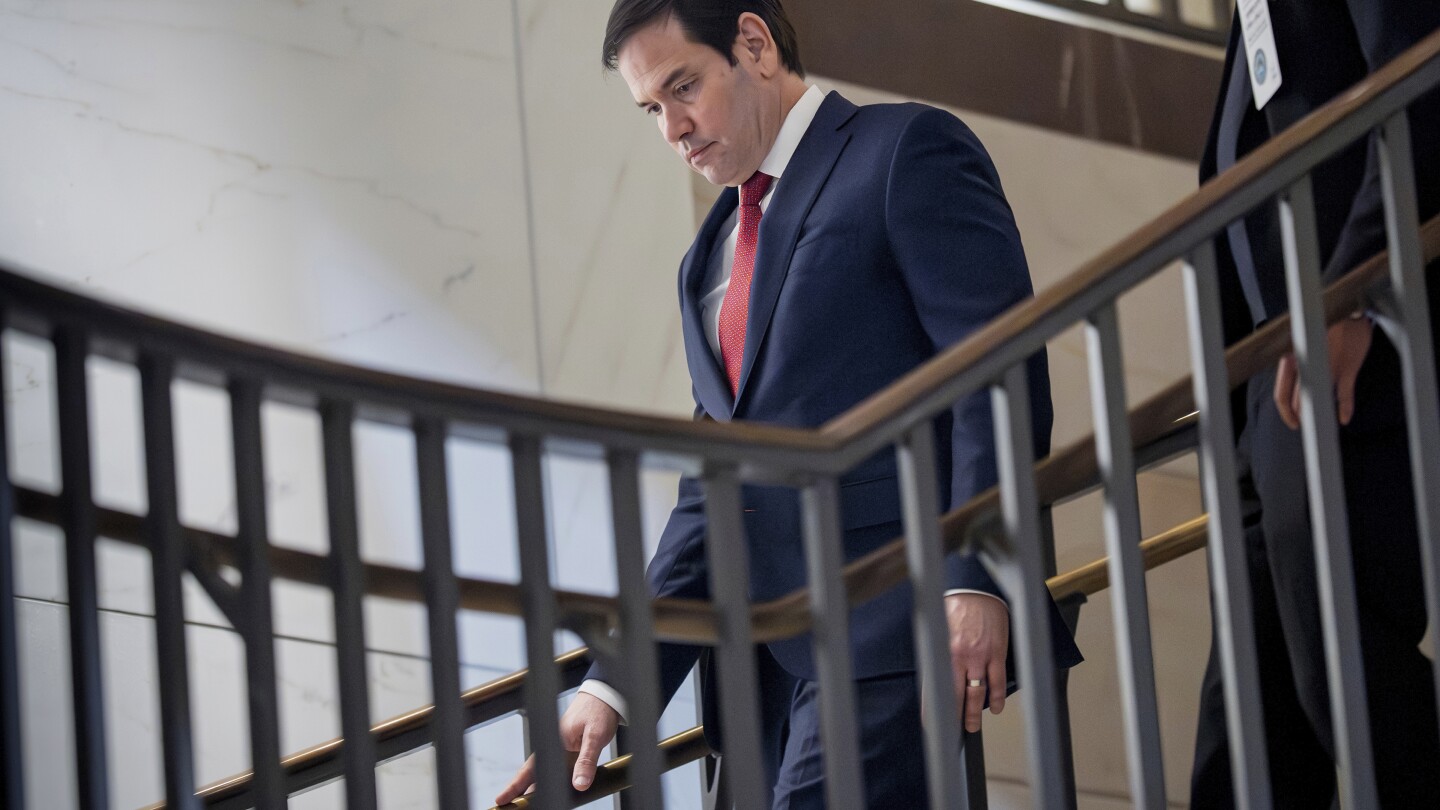
Secretary of State Marco Rubio publicly thanked news organizations that had learned of the planned strike to capture Venezuelan President Nicolás Maduro but refrained from reporting on it before completion, potentially preventing risk to American lives.
“Frankly, a number of media outlets had gotten leaks that this was coming and held it for that very reason,” Rubio said on ABC’s “This Week.” “And we thank them for doing that or lives could have been lost. American lives.”
According to Semafor, both The New York Times and The Washington Post had advance knowledge of the raid but deliberately withheld publication. Representatives from both publications declined to comment when contacted by The Associated Press.
This acknowledgment from the administration stands in stark contrast to the tensions between the Pentagon and press corps under Defense Secretary Pete Hegseth, who has implemented controversial new media restrictions. Hegseth has cited distrust of journalists’ ability to handle sensitive information as justification for policies that have driven most mainstream news organizations to vacate their Pentagon posts in protest.
Dana Priest, a veteran national security reporter formerly with The Washington Post who now teaches at the University of Maryland, explained that withholding information about planned military operations is standard practice for responsible news organizations. “The reporters are not going to be deterred by a ridiculously broad censorship edict by the Trump administration,” Priest noted. “They’re going to dig in and work even harder.”
The Venezuela operation became public knowledge in the early morning hours on Saturday when President Trump announced its successful completion on Truth Social. However, Associated Press journalists in Venezuela had reported explosions more than two hours before Trump’s announcement, though U.S. involvement wasn’t confirmed until the president’s post.
This episode highlights the complex relationship between government security interests and press freedom. While Hegseth told Fox News last year that the Pentagon has “expectations that you’re not soliciting classified or sensitive information,” his restrictive press policies have sparked significant backlash. The New York Times filed a lawsuit last month seeking to overturn these rules.
Barbara Starr, former CNN defense correspondent, emphasized that the media’s handling of the Venezuela operation demonstrates journalists can act responsibly. “What the so-called legacy Pentagon press corps has demonstrated is it can act responsibly, as it always has, to protect troops’ lives,” Starr said. “But even more important perhaps is it demonstrates the media makes every effort to continue to cover the news outside of Pete Hegseth’s control and endless message points.”
Decisions about publishing sensitive information typically involve high-level discussions between editors and government officials. However, Priest stressed that in a nation with press freedom, the final determination rests with news organizations themselves.
This tension between national security and press freedom has historical precedents. During the Kennedy administration, The New York Times was persuaded not to report on the planned Bay of Pigs invasion in Cuba. The operation failed disastrously, and Times editor Bill Keller later revealed that Kennedy had expressed regret about the paper withholding information that might have prevented the fiasco.
Priest emphasized the critical distinction between information that genuinely endangers lives versus information that might simply embarrass an administration. This balance remains at the heart of national security journalism, particularly as relations between the press and the current administration continue to evolve.
The Venezuela operation and its media coverage underscore the ongoing tension between security concerns and transparency in a democratic society, where both military effectiveness and public accountability remain essential values.
Fact Checker
Verify the accuracy of this article using The Disinformation Commission analysis and real-time sources.

16 Comments
This is an interesting development in the ongoing saga in Venezuela. I’m curious to learn more about the specifics of the operation and how the media’s discretion impacted the outcome.
It’s encouraging to see the administration recognizing the media’s responsible handling of sensitive information in this case. Operational security is paramount for these types of covert actions.
The administration’s appreciation for the media’s discretion is a welcome change from the usual rhetoric. Operational security is clearly a top priority for this type of covert military action.
I agree, this seems like a pragmatic acknowledgment that the media can play a constructive role, even when there are broader disagreements between the government and the press. A notable shift in tone.
This is an intriguing acknowledgment from the administration, given the often-adversarial relationship with the media. Maintaining operational security is crucial for sensitive military actions like this.
It’s encouraging to see the administration recognize the media’s responsible handling of sensitive information in this case. A pragmatic approach that prioritizes operational security over political tensions.
The administration’s gratitude towards the media for their discretion is an interesting development, given the ongoing tensions. Operational security is clearly a priority for sensitive military actions.
I’m curious to learn more about the specifics of this operation and how the media’s restraint may have impacted the outcome. It’s a notable shift in the usual dynamic between the government and the press.
It’s refreshing to see the administration acknowledge the media’s responsible handling of sensitive information related to this operation in Venezuela. Maintaining operational security is crucial.
This seems like a pragmatic recognition that the media can play a constructive role, even when there are broader disagreements between the government and the press. A welcome change of tone.
This is a notable shift in the administration’s typical stance towards the media. The acknowledgment of the media’s discretion in safeguarding operational details is a welcome change.
I agree, the ability to maintain operational security is critical for sensitive military actions like this. It’s good to see the administration recognizing the media’s constructive role in this instance.
The Trump administration’s appreciation for the media’s restraint is a welcome change from the usual tensions. Maintaining operational security in delicate military operations is crucial.
I agree, this seems like a pragmatic acknowledgment that the media can play a constructive role even when there are disagreements on other issues.
Interesting development in the ongoing political drama in Venezuela. I’m curious to hear more details about this operation and how the media’s discretion may have impacted the outcome.
It’s good to see the administration acknowledging the media’s responsible handling of sensitive information. Operational security is critical in these types of covert actions.