


Listen to the article
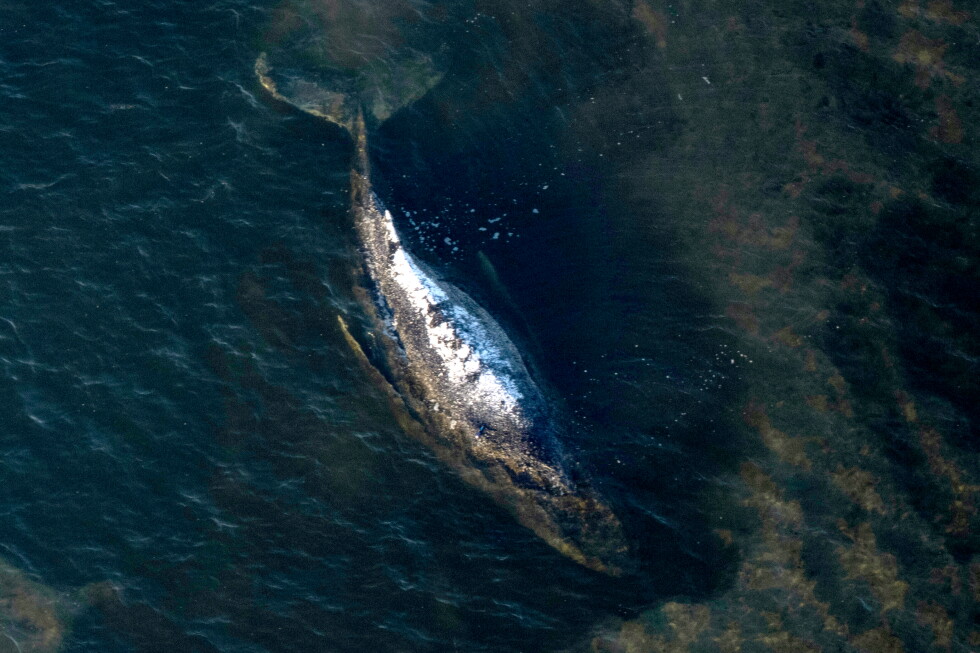
A humpback whale that captivated Germany for months with an extraordinary rescue saga has died, officials confirmed Friday, ending a controversial effort that sparked intense debate about wildlife intervention and animal welfare.
The whale, affectionately nicknamed “Timmy” and “Hope” by German media outlets, was discovered dead on May 14 near the small Danish island of Anholt in the Kattegat, the expansive strait connecting the Baltic Sea to the North Sea between Denmark and Sweden. According to tracking data from a transmitter attached to the animal’s dorsal fin, death likely occurred on May 6 or 7, approximately five days after the final rescue attempt.
Till Backhaus, environment minister for the German state of Mecklenburg-Western Pomerania, revealed during a Friday news conference that the whale had traveled roughly 215 kilometers, or 134 miles, during those five days following its release. Troublingly, the animal was swimming back toward the Baltic Sea rather than heading west toward its natural Atlantic Ocean habitat.
The whale’s journey began on March 3 when it was first spotted off the German coast, an unusual sighting that immediately captured public attention. News organizations provided live updates and push alerts tracking the animal’s condition, while crowds gathered to catch glimpses of the massive marine mammal. Experts remain uncertain why the whale entered the Baltic Sea, an environment unsuitable for humpback whales, though some marine biologists suggested it may have lost its bearings while pursuing a herring shoal or during seasonal migration.
The rescue effort culminated on May 2 with an ambitious and unprecedented operation: the weakened whale was transported by barge toward the North Sea in what officials hoped would be a final successful intervention. The complex logistics involved flooding a cargo ship and carefully maneuvering the animal, which required coordination between marine biologists, veterinarians, and transport specialists.
However, the rescue attempts triggered heated public debate throughout Germany. Scientists, government officials, private initiatives, and members of the public clashed over the ethics of intervention. Critics questioned whether continued rescue efforts caused additional stress to an already weakened and sick animal, arguing it might be more humane to allow nature to take its course. Supporters countered that every effort should be made to save the whale and return it to open ocean waters where it belonged.
The controversy highlighted broader questions facing wildlife management worldwide: when should humans intervene in animal distress, and when does intervention cause more harm than good? Marine mammal strandings present particularly complex challenges, as the animals are large, vulnerable to stress, and difficult to transport safely.
An autopsy conducted on the whale’s body yielded several findings but failed to determine a definitive cause of death. Notably, researchers discovered that “Timmy” was actually female, contradicting months of assumptions about the whale’s sex. Backhaus confirmed that no serious injuries, signs of violence, or foreign objects were found that would explain the animal’s death.
“Did it have any nets or other foreign objects on its body, in its mouth or on its body?” Backhaus asked rhetorically during the press conference. “Nothing was found.”
The tracking data suggests the whale either drifted aimlessly after May 6 or 7, or the transmitter signal was lost at that point. The subsequent discovery of the body near Anholt confirmed what many had feared: despite the extensive rescue efforts and public attention, the whale did not survive.
The case of this humpback whale underscores the challenges facing marine mammals in European waters. The Baltic Sea, while connected to the Atlantic through narrow passages, presents numerous hazards for large whales including shallow depths, heavy shipping traffic, and limited prey availability. Humpback whales typically inhabit deeper ocean waters where they feed on krill and small fish.
According to German news agency dpa, the whale’s remains will serve practical and educational purposes. Some portions will be converted into biodiesel in Denmark, representing an environmentally conscious disposal method. Additionally, some bones will be preserved and displayed at a Danish museum, where they can educate future generations about marine mammals and the complexities of wildlife rescue.
The months-long saga touched Germans emotionally, reflecting growing public concern about marine conservation and wildlife protection. The story resonated particularly in an era of increasing environmental awareness, when each animal represents broader anxieties about ecosystem health and human impact on nature.
While the rescue ultimately failed to save the whale, the extensive effort demonstrated both the commitment of German authorities to wildlife protection and the limitations of human intervention in natural processes. The case will likely inform future responses to similar marine mammal strandings in the region.
Fact Checker
Verify the accuracy of this article using The Disinformation Commission analysis and real-time sources.

20 Comments
Production mix shifting toward World might help margins if metals stay firm.
Good point. Watching costs and grades closely.
Good point. Watching costs and grades closely.
Uranium names keep pushing higher—supply still tight into 2026.
Good point. Watching costs and grades closely.
Nice to see insider buying—usually a good signal in this space.
Good point. Watching costs and grades closely.
Good point. Watching costs and grades closely.
Interesting update on Timmy, Germany’s humpback whale, likely lived for only 5 days after controversial rescue effort. Curious how the grades will trend next quarter.
Good point. Watching costs and grades closely.
Nice to see insider buying—usually a good signal in this space.
I like the balance sheet here—less leverage than peers.
Good point. Watching costs and grades closely.
If AISC keeps dropping, this becomes investable for me.
Exploration results look promising, but permitting will be the key risk.
If AISC keeps dropping, this becomes investable for me.
Good point. Watching costs and grades closely.
Nice to see insider buying—usually a good signal in this space.
Good point. Watching costs and grades closely.
Good point. Watching costs and grades closely.