


Listen to the article
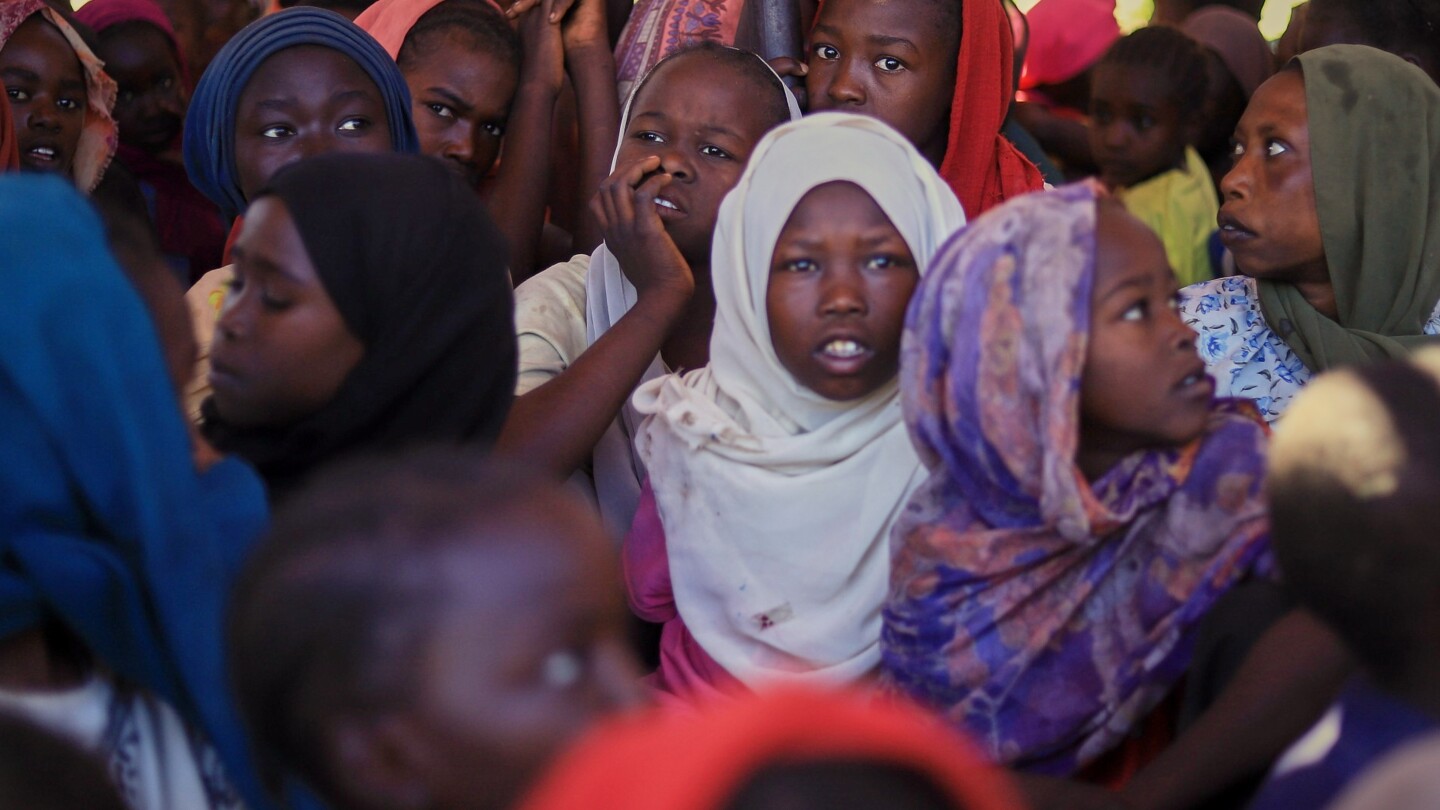
Tens of thousands of Sudanese civilians have fled el-Fasher in North Darfur since the Rapid Support Forces (RSF) captured the city on October 26, seeking refuge in overcrowded camps amid reports of widespread atrocities, according to aid groups monitoring the crisis.
The International Organization for Migration estimates that approximately 82,000 people have fled el-Fasher and surrounding areas as of November 4, with many making the dangerous journey on foot. More than 16,200 of these displaced persons have arrived at camps in Tawila, about 70 kilometers (43 miles) away, according to Adam Rojal, spokesperson for Sudan’s IDPs and Refugee Camps, a local aid organization.
Those reaching Tawila find themselves in dire circumstances, sheltering in makeshift tents constructed from patched tarps and sheets in a barren landscape. Aid workers report severe shortages of essential supplies, with families often surviving on just one or two meals per day.
“The displaced in Tawila are in urgent need of food, medicine, shelter materials and psychosocial support,” Rojal told The Associated Press.
Abu Bakr Hammad, director of medical activities with Doctors Without Borders (MSF) in Tawila Hospital, confirmed that the facility has received at least 1,500 people from el-Fasher since late October, many suffering from fractures and other injuries. MSF teams have reported “extremely high levels of malnutrition among children and adults” among the new arrivals.
The crisis in el-Fasher represents a significant escalation in Sudan’s devastating civil war, which has raged since April 2023 between the RSF and the Sudanese army. The conflict emerged from power struggles over control of Africa’s third-largest nation, with the paramilitary RSF led by Mohamed Hamdan Dagalo, known as Hemedti, fighting against the Sudanese Armed Forces led by General Abdel Fattah al-Burhan.
The World Health Organization estimates at least 40,000 people have been killed in the conflict, though the actual death toll is likely much higher. Approximately 12 million Sudanese have been displaced, and nearly half the country’s population faces acute food insecurity.
After an 18-month siege, the RSF’s capture of el-Fasher has been marked by particularly brutal violence. According to WHO reports, RSF forces attacked the Saudi Hospital in the city, resulting in over 450 deaths. Survivors describe RSF fighters conducting house-to-house raids, targeting civilians, and committing sexual assaults. While the RSF has denied these allegations, testimonies from those fleeing, online videos, and satellite imagery paint a grim picture of the assault.
UN Human Rights Chief Volker Türk warned on Friday that civilians still trapped in el-Fasher remain at severe risk. “I fear that the abominable atrocities such as summary executions, rape and ethnically motivated violence are continuing within the city,” he said from Geneva. “And for those who manage to flee, the violence does not end, as the exit routes themselves have been the scenes of unimaginable cruelty.”
The fighting has expanded beyond Darfur into the neighboring Kordofan region. Earlier this week, a drone attack in el-Obeid, capital of North Kordofan province, killed at least 40 people and wounded dozens more. On Saturday, military officials claimed the army intercepted two Chinese-made drones targeting el-Obeid.
Despite the intensifying violence, diplomatic efforts continue. The RSF announced Thursday it has agreed to a humanitarian truce proposed by the Quad, a U.S.-led mediator group. The Sudanese army stated it welcomes the proposal in principle but demands the RSF withdraw from civilian areas and surrender their weapons as preconditions.
Jalale Getachew Birru, an analyst for East Africa with Armed Conflict Location and Event Data, characterized the fall of el-Fasher and escalating violence in North Kordofan as strategic victories for the RSF, while warning of catastrophic humanitarian consequences. Birru estimated that at least 2,000 people were killed across Sudan in just one week between October 26 and November 1.
“These events not only deepen Sudan’s humanitarian crisis but also signal the RSF’s growing capacity to expand toward central Sudan, threatening to reverse the success of the Sudanese armed forces and returning the violence to the relatively calm central Sudan,” Birru noted.
As international aid organizations struggle to respond to the growing crisis, the humanitarian situation in Sudan continues to deteriorate, with civilians bearing the brunt of a conflict that shows few signs of abating.
Fact Checker
Verify the accuracy of this article using The Disinformation Commission analysis and real-time sources.

9 Comments
The journey to reach the camps sounds incredibly dangerous. I admire the courage and resilience of those who have fled, despite the risks. They deserve our compassion and support.
The sheer scale of displacement, with tens of thousands of people fleeing their homes, is staggering. I hope the international aid response can match the scale of the crisis.
The situation in el-Fasher and the surrounding areas is deeply concerning. I hope the reports of widespread atrocities can be thoroughly investigated and those responsible held accountable.
This crisis highlights the ongoing conflict and instability in Sudan. I hope a peaceful resolution can be found to protect civilian lives and allow displaced people to return home safely.
This crisis is a stark reminder of the ongoing conflict and instability in Sudan. I hope a peaceful resolution can be found to address the root causes and prevent further suffering.
The dire conditions in the camps, with severe shortages of essential supplies, are heartbreaking. I hope the aid organizations on the ground can quickly scale up their efforts to provide food, shelter, and medical care to these vulnerable people.
The capture of el-Fasher by the RSF paramilitary group is deeply concerning. Widespread reports of atrocities are alarming. The safety and wellbeing of the displaced civilians must be the top priority.
It’s distressing to hear about the severe shortages of essential supplies in the camps. I hope more resources and personnel can be deployed quickly to alleviate the suffering.
This is a tragic situation, with thousands of civilians forced to flee their homes due to the violence. I hope the international community can provide urgent humanitarian aid and support to those in the overcrowded camps.