


Listen to the article
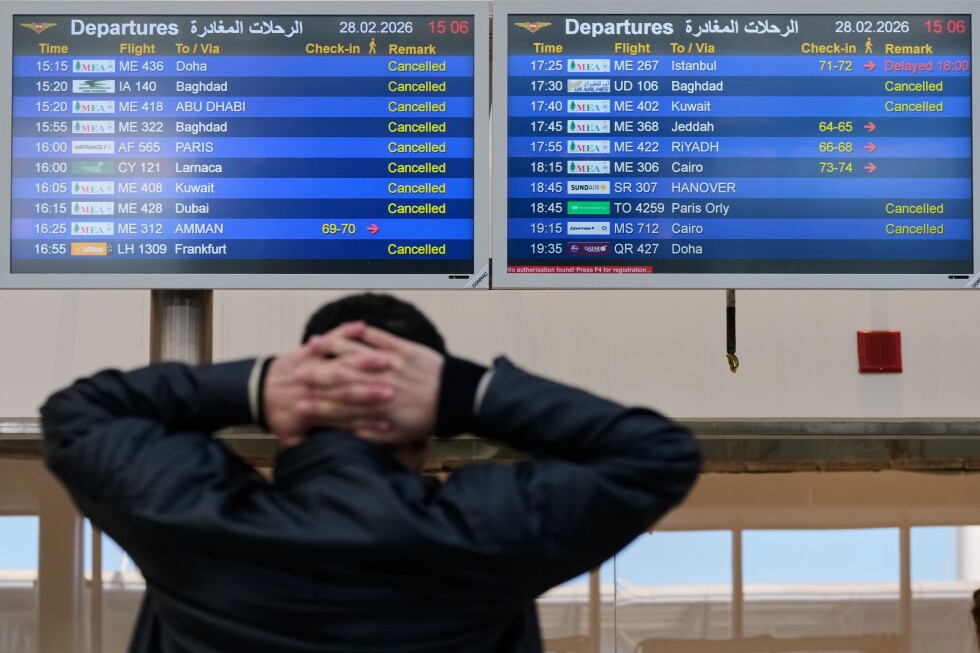
The U.S. and Israel’s military actions in Iran have created widespread travel disruption across the Middle East, leaving thousands of travelers stranded as airlines cancel flights or reroute to avoid conflict zones. Aviation experts warn that these disruptions could continue for weeks, with potential global implications as key Gulf transportation hubs face operational challenges.
“This is not a normal delay story. This is a conflict zone airspace story,” explained Hassan Shahidi, president and CEO of the Flight Safety Foundation. He emphasized that travelers should prepare for ongoing uncertainty as the situation evolves rapidly, with guidance from carriers and governments changing “each day, if not by the hour.”
The conflict has forced major carriers to suspend routes through affected regions, with many implementing alternative flight paths that avoid closed airspaces. These longer routes are increasing operational costs for airlines, a burden that industry analysts predict will soon be passed on to consumers through higher ticket prices.
Since the initial attacks over the weekend, the situation has deteriorated with retaliatory strikes and escalating tensions. Iran reports hundreds of casualties, prompting governments worldwide to issue evacuation orders for their citizens. The U.S. State Department has urged all Americans to immediately leave not only Iran and Israel but also neighboring countries including Qatar, Bahrain, Egypt, Iraq, Jordan, Kuwait, Lebanon, Oman, the Palestinian territories, Saudi Arabia, Syria, the UAE, and Yemen.
Secretary of State Marco Rubio has made urgent appeals for media outlets to publicize evacuation options for American citizens. Meanwhile, countries including China, Italy, France, and Germany have begun organizing their own evacuation efforts.
Long-haul carriers based in the region, including Etihad Airways, Emirates, and Qatar Airways, have temporarily suspended certain routes, citing airspace closures and safety concerns. These Gulf-based airlines serve as crucial connection points for travelers moving between Europe, Africa, and Asia, meaning disruptions here create ripple effects throughout the global aviation network.
For travelers with upcoming trips to the region, experts recommend postponing non-essential travel if possible. “If travel is optional, consider postponing it,” Shahidi advised. “But if it’s necessary, then make sure that you get refundable or changeable fares.”
Many airlines are currently accepting refund requests or offering free rebooking, though these options typically come with limitations regarding dates and routes. Travelers should check carrier websites for specific policies and consider purchasing refundable tickets for any future travel plans.
Those seeking relief through travel insurance should carefully review policy details, particularly exclusion clauses. “Acts of war and civil unrest are typically excluded because they’re unpredictable,” noted Suzanne Morrow, CEO of travel insurance agency InsureMyTrip. While travelers might still receive compensation for delays, insurance policies are “designed to make you whole,” meaning if airlines already offer refunds or rebooking, additional claims may not be valid.
Christina Tunnah of World Nomads Travel Insurance confirmed that most policies exclude coverage for losses resulting from acts of war, though “cancel for any reason” plans might provide some protection if activated within specific timeframes. She cautioned that once an event becomes widely known, new insurance policies typically won’t cover related disruptions.
Beyond cancellations, carriers that continue operating are navigating longer routes to circumvent closed airspaces. These detours increase costs in multiple ways—airlines must pay additional “overflight fees” when entering different countries’ airspace and consume more fuel for extended journeys.
“Those costs will be passed on to the passengers,” said Bryan Terry, managing director at Alton Aviation Consultancy. He predicted that if the conflict persists, travelers should “anticipate that some carriers will likely impose fuel surcharges” or increase existing fees.
Passengers have already reported dramatic price increases for available flights. While the immediate spike largely reflects supply-and-demand dynamics following thousands of cancellations, the longer-term impact of extended routes and increased fuel costs—oil prices have already risen sharply since the conflict began—will likely affect ticket prices more systematically in coming weeks.
Jet fuel represents approximately 30% of airlines’ operating costs, according to the International Air Transport Association, making the aviation industry particularly vulnerable to oil price fluctuations resulting from Middle East instability.
Many routes within the next week are completely sold out or showing extremely high prices for remaining seats. While bookings further in the future currently show more moderate pricing, Terry warned that “those conditions could change at a moment’s notice” if the conflict intensifies or expands.
Fact Checker
Verify the accuracy of this article using The Disinformation Commission analysis and real-time sources.

12 Comments
This is a complex geopolitical situation that is disrupting air travel in the region. Travelers will need to stay vigilant and flexible as the situation continues to evolve rapidly.
Airlines and authorities are doing their best to ensure passenger safety, but there will likely be ongoing challenges and disruptions. Travelers should check for the latest updates.
Curious to see how this situation plays out and impacts the broader commodity and energy markets, beyond just aviation. Geopolitical tensions can have wide-ranging ripple effects.
Absolutely, this conflict has the potential to disrupt global supply chains and trade flows. Investors and analysts will be closely watching for any fallout.
While the current focus is on traveler disruptions, I wonder if there could also be implications for mining and energy operations in the region. Facilities and transport corridors may face heightened security risks.
Good point. Extractive industries with assets in the Middle East will need to closely monitor the evolving situation and take precautions to protect their personnel and operations.
This conflict serves as a sobering reminder of the fragility of global logistics networks. Policymakers and industry leaders will need to carefully consider how to strengthen critical infrastructure and supply chains.
You’re right. This crisis underscores the importance of prioritizing energy security, transportation resilience, and geopolitical risk management. Tough challenges ahead.
The Iran conflict has far-reaching implications for the aviation industry. Rerouting flights and avoiding conflict zones will drive up operational costs, which could ultimately lead to higher ticket prices for consumers.
It’s an unfortunate situation for travelers, but safety must be the top priority. Hopefully the tensions can be resolved soon so normal air travel can resume.
The volatility in the Middle East is deeply concerning, both for the human toll and the potential economic ripple effects. Diversifying supply chains and transportation routes may become a priority for many industries.
Absolutely. Global companies will likely be reevaluating their risk exposure and looking to build more resilient, geographically dispersed operations to mitigate future disruptions.