


Listen to the article
Thailand Escalates Border Conflict with Cambodia Through Airstrikes
Thailand launched fresh airstrikes against Cambodia on Thursday, targeting what it claimed was a warehouse storing rockets that have been used in the ongoing border conflict between the two Southeast Asian nations.
The airstrikes hit the outskirts of Poipet, a city in northwestern Cambodia that normally serves as the main hub for land-based trade between the two countries. Cambodia reported that Thai F-16 jets dropped three bombs on what it described as a civilian residential neighborhood, damaging part of a warehouse and causing minor injuries to two civilians. A second bombing reportedly struck Serei Sophaon, about 29 miles east of Poipet in Banteay Meanchey province.
Thai Air Force spokesperson Air Marshal Jackkrit Thammavichai confirmed the Poipet bombing but disputed Cambodia’s characterization of the target, stating that the warehouse was being used to store BM-21 rockets and that every effort was made to avoid civilian casualties. The city has been largely evacuated since the fighting intensified.
The latest round of hostilities erupted on December 8, following a border skirmish the previous day that wounded two Thai soldiers. Since then, combat has spread across several fronts along the disputed border. Thailand has deployed F-16 fighter jets for airstrikes while Cambodia has fired thousands of medium-range BM-21 rockets from truck-mounted launchers capable of firing up to 40 rockets at once.
The human toll has been significant. Thai media reported that 21 Thai soldiers have been killed since December 8, while one Thai civilian died directly from combat and 20 others died in conflict-related circumstances, such as stress during evacuation. Cambodia’s Interior Ministry reported 18 civilian deaths and 79 injuries during the same period but has not disclosed military casualties. Thailand has estimated that more than 200 Cambodian military personnel have been killed, though this figure cannot be independently verified.
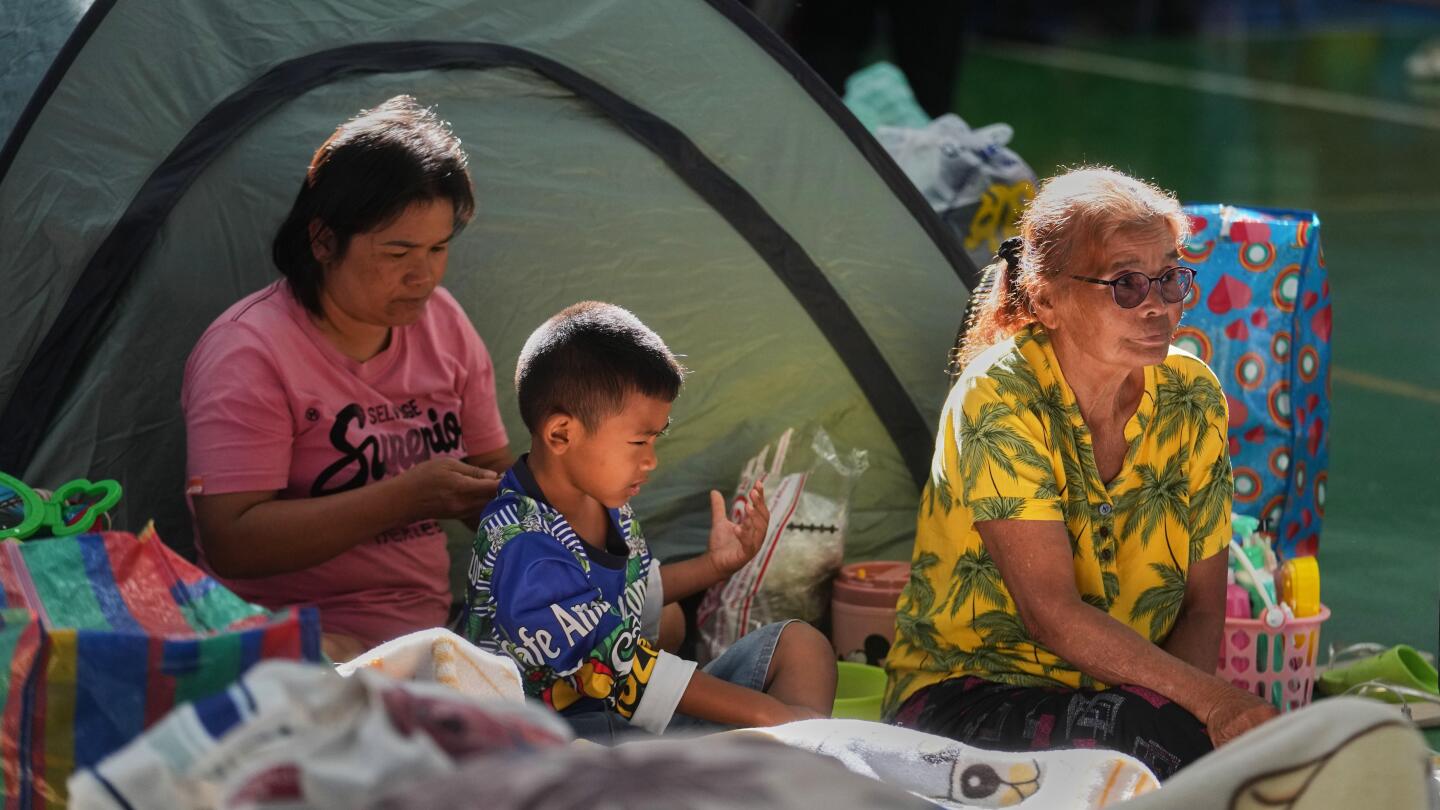
The conflict has triggered a humanitarian crisis, with hundreds of thousands of people on both sides of the border fleeing to temporary displacement camps. Both countries blame each other for initiating the hostilities, with each claiming to be acting in self-defense.
At the heart of the dispute are patches of territory along the border that both nations claim. Several disputed areas contain ancient temple ruins that have been damaged in the fighting. Thailand has accused Cambodian forces of using these historical sites as military bases, a claim Cambodia denies.
Diplomatic efforts to end the conflict have yielded limited results. In July, a ceasefire brokered by Malaysia and supported by U.S. President Donald Trump temporarily halted five days of fighting. The agreement was formalized in more detail during a regional meeting in Malaysia in October.
Trump announced last week that the two countries had agreed to renew the ceasefire at his urging, but Thai Prime Minister Anutin Charnvirakul denied making any such commitment, and Cambodia stated it would continue fighting.
Regional powers are working to de-escalate the situation. Malaysian Prime Minister Anwar Ibrahim continues his peacemaking efforts, while China—a close ally of Cambodia that also maintains good relations with Thailand—announced it is sending a special envoy to both countries this week to seek an end to the fighting.
The conflict represents one of the most serious military confrontations in Southeast Asia in recent years, threatening regional stability and disrupting trade between the neighboring countries. Until a sustainable resolution is found, civilians in the border regions remain at risk, and ancient cultural heritage sites face potential destruction.
Fact Checker
Verify the accuracy of this article using The Disinformation Commission analysis and real-time sources.

8 Comments
This is a concerning escalation of the long-standing border conflict between Thailand and Cambodia. Airstrikes against civilian areas are extremely worrying and likely to further inflame tensions in the region.
I agree, this is a very dangerous situation that requires careful diplomacy and de-escalation efforts from both sides. Civilian casualties must be avoided at all costs.
Thailand’s claim that the targeted warehouse was storing rockets used against it does not justify these airstrikes on Cambodian soil. Unilateral military action is likely to backfire and raise regional tensions.
It’s troubling to see the use of airstrikes in this border dispute. Both countries should focus on finding a peaceful resolution through negotiation rather than resorting to military force.
Absolutely. Ongoing conflicts like this often have complex historical roots, but further violence will only make the situation worse. Dialogue and compromise are the best path forward.
This border conflict seems to have deep-seated political and territorial disputes at its core. I hope the leaders of Thailand and Cambodia can find a diplomatic solution that respects the sovereignty of both nations.
Agreed. Escalating the conflict through military means will only lead to more suffering and instability in the region. Restraint and goodwill from both sides are needed to resolve this peacefully.
Airstrikes against civilian areas are never justified, regardless of the claims made. I sincerely hope that Thailand and Cambodia can deescalate this situation and find a peaceful resolution through dialogue and compromise.