


Listen to the article
British Prime Minister Faces Parliamentary Grilling Over Controversial Diplomatic Appointment
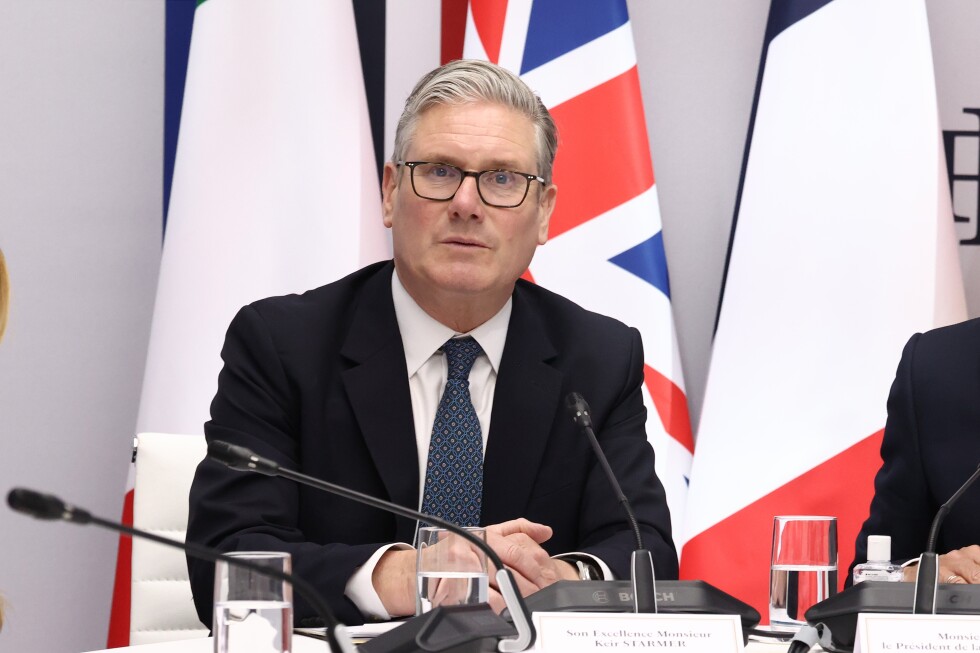
British Prime Minister Keir Starmer faces a critical moment in his leadership Monday as he prepares to address Parliament over a diplomatic appointment scandal that threatens to undermine his government’s credibility.
At the center of the controversy is Peter Mandelson, a veteran politician whose appointment as Britain’s ambassador to Washington has become a political liability for Starmer. According to revelations first published by The Guardian, Mandelson failed security checks during the vetting process—information that apparently never reached the Prime Minister.
“The fact that I wasn’t told that Peter Mandelson had failed his security vetting when he was appointed is astonishing,” Starmer told the Daily Mirror in recent comments. “The fact that I wasn’t told when I said to Parliament that due process had been followed is unforgivable.”
The scandal has prompted swift action from Starmer, who fired Foreign Office Permanent Secretary Olly Robbins within hours of the revelation. However, Robbins’ allies have suggested that security protocols would have prevented him from sharing sensitive vetting information directly with the Prime Minister. Robbins is scheduled to present his account to the House of Commons Foreign Affairs Committee on Tuesday.
Mandelson’s appointment raised eyebrows from the start, given his friendship with disgraced financier Jeffrey Epstein, who died in prison in 2019 while facing sex trafficking charges. According to reports, Starmer proceeded with the appointment despite warnings from his staff that Mandelson’s association with Epstein posed a “reputational risk” to the government.
Further complicating matters were Mandelson’s business connections to Russia and China, which triggered security concerns. Despite these red flags, the government valued his experience as a former European Union trade commissioner and his extensive global connections, particularly as Britain prepared to navigate relations with the Trump administration.
Mandelson’s tenure as ambassador lasted only nine months before Starmer dismissed him in September 2025, following evidence that he had misrepresented the extent of his relationship with Epstein. The situation deteriorated further in January when the U.S. Department of Justice released documents suggesting Mandelson had shared sensitive government information with Epstein during the 2009 global financial crisis.
British authorities subsequently launched a criminal investigation, arresting Mandelson in February on suspicion of misconduct in public office. While he has consistently denied any wrongdoing and has not been charged with any crime, the scandal continues to cast a shadow over Starmer’s government.
Opposition parties have seized on the controversy, with Conservative Party leader Kemi Badenoch claiming in the Mail on Sunday that Starmer “misled Parliament over Mandelson, misled the country and is taking the public for fools.” Liberal Democrat leader Ed Davey added that the Prime Minister had “showed catastrophic misjudgment.”
Senior members of Starmer’s government have rallied to his defense. Deputy Prime Minister David Lammy insisted that if Starmer had known about the failed security vetting, “he would never, ever have appointed him ambassador.”
Nevertheless, discontent within Starmer’s Labour Party continues to grow. Already grappling with poor poll numbers, the Prime Minister narrowly avoided a leadership challenge in February when some Labour lawmakers called for his resignation over the Mandelson appointment. Political analysts suggest Starmer could face renewed pressure if Labour performs poorly in the upcoming local and regional elections on May 7, which will serve as a referendum on his leadership.
The Mandelson affair comes at a particularly challenging time for Starmer, whose government has struggled to deliver on campaign promises since Labour’s landslide victory in July 2024. Critics point to the administration’s inability to stimulate economic growth, address deficiencies in public services, or alleviate cost-of-living pressures. A series of policy reversals has further damaged public confidence in the government’s competence.
As Starmer prepares to face Parliament, the question remains whether his explanations will be sufficient to weather this political storm and regain control of his increasingly precarious premiership.
Fact Checker
Verify the accuracy of this article using The Disinformation Commission analysis and real-time sources.

12 Comments
The mining and energy sectors will be watching this closely. Diplomatic appointments can have big implications for commodity markets and investment. Transparency is key.
Absolutely. Lack of proper vetting raises red flags. Investors in mining, energy and related equities need assurance of sound governance.
Interesting development. Mandelson’s security issues raise serious concerns about the vetting process and transparency in government. Starmer will need to address this firmly to maintain trust.
Agreed. Proper security checks are critical, especially for senior diplomatic roles. This lapse is worrying and Starmer needs to get to the bottom of it quickly.
This is a tricky situation for Starmer. Mandelson’s appointment raises concerns, but Starmer also needs to maintain party unity. Careful management will be crucial.
Agreed. Starmer is in a tight spot. He’ll have to make some tough calls to address the issue while minimizing damage to his political standing.
Curious to see how Starmer handles this. Mandelson is a heavyweight political figure, so the pressure will be intense. Starmer needs to demonstrate strong leadership here.
Good point. Starmer’s response will set the tone. He’ll have to balance political realities with upholding proper procedures. Navigating this won’t be easy.
This is a concerning development. Proper security checks are critical, especially for senior diplomatic roles. Starmer needs to get to the bottom of this quickly to maintain trust.
Agreed. Transparency and accountability will be crucial here. Starmer has to demonstrate he takes this issue seriously and can prevent similar lapses in the future.
The mining and energy sectors will be watching this closely. Diplomatic appointments can have big implications for commodity markets and investment. Transparency is key.
Absolutely. Lack of proper vetting raises red flags. Investors in mining, energy and related equities need assurance of sound governance.