


Listen to the article
Dim Moon Sets Stage for Spectacular Lyrid Meteor Shower Display
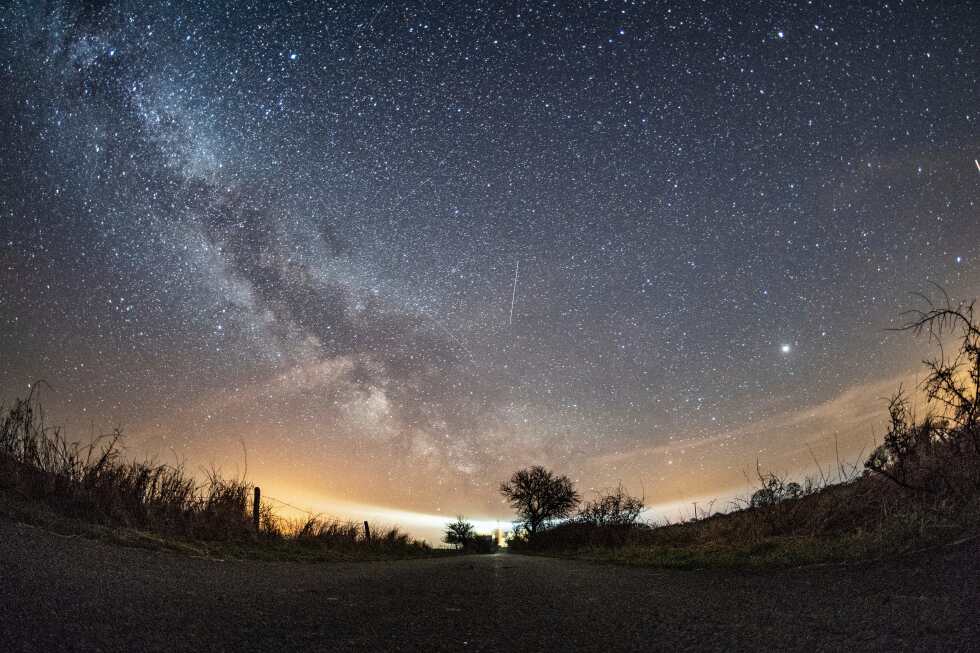
Stargazers are in for a treat this week as the annual Lyrid meteor shower reaches its peak with exceptionally favorable viewing conditions. The celestial event, visible Tuesday night into Wednesday morning, promises to deliver 10 to 20 shooting stars per hour streaking across the spring sky, according to NASA astronomers.
This year’s show benefits from a dim crescent moon that will set before peak viewing hours, eliminating the light interference that often hampers meteor shower observation. The absence of lunar glare will create ideal dark-sky conditions, particularly for observers in the Northern Hemisphere where visibility will be optimal.
“We’re looking at perfect timing this year,” explained Dr. Maria Valdes, a meteorite researcher at the School of the Art Institute of Chicago. “The moon’s early setting gives viewers several hours of prime dark-sky viewing.”
The Lyrids, one of humanity’s oldest documented astronomical phenomena with records dating back over 2,500 years, are remnants from comet Thatcher. While the comet itself makes an appearance in our skies only once every 415 years, Earth passes through its debris field annually, creating the predictable meteor shower.
“We only get to see the actual comet once every 415 years. But we pass through the grains that have been left in its wake every year around the same time,” Valdes noted.
The science behind the spectacle involves Earth’s orbital path intersecting with the dust and ice particles shed by the comet. As these tiny fragments enter our atmosphere at high speeds, they heat up dramatically and vaporize, creating the brilliant streaks of light commonly known as shooting stars.
Astronomers recommend specific viewing strategies for optimal enjoyment. “A meteor looks like a trail of light in the sky. What you tend to detect is the motion against the background,” said Dr. Lisa Will, an astronomer at San Diego City College.
For those planning to observe the shower, experts suggest finding a location away from urban light pollution after midnight local time. Viewers should allow 15 to 30 minutes for their eyes to fully adapt to darkness and avoid looking at phone screens, which can reset night vision adaptation.
Comfort is also key for meteor watching, which requires patience. Bringing lawn chairs or sleeping bags makes the experience more enjoyable during the wait. The meteors will appear to radiate from the constellation Lyra in the northeastern sky, though they can appear anywhere across the night sky.
The Lyrids typically produce a consistent but moderate display compared to some other annual meteor showers. However, the shower occasionally surprises viewers with outbursts of activity, sometimes producing up to 100 meteors per hour. While such an outburst isn’t predicted for 2023, meteor activity can be unpredictable, adding an element of anticipation to the viewing experience.
For astronomy enthusiasts who miss the Lyrids or want more celestial viewing opportunities, the next major meteor event is already approaching. The Eta Aquarids shower, composed of debris from the famous Halley’s comet, will peak in early May, offering another opportunity for stargazing.
The increasing popularity of meteor shower viewing comes amid growing interest in amateur astronomy, with pandemic-era restrictions having sparked renewed public fascination with the night sky. Astronomical societies across the country report increased attendance at star parties and heightened interest in celestial events like the Lyrids.
Weather permitting, this week’s shower offers an accessible astronomical experience requiring no special equipment beyond clear skies and patience – a welcome reminder of the cosmic spectacles available to anyone willing to look up.
Fact Checker
Verify the accuracy of this article using The Disinformation Commission analysis and real-time sources.
