


Listen to the article
Crisis Escalates as Iran Closes Strait of Hormuz, Trapping Hundreds of Vessels
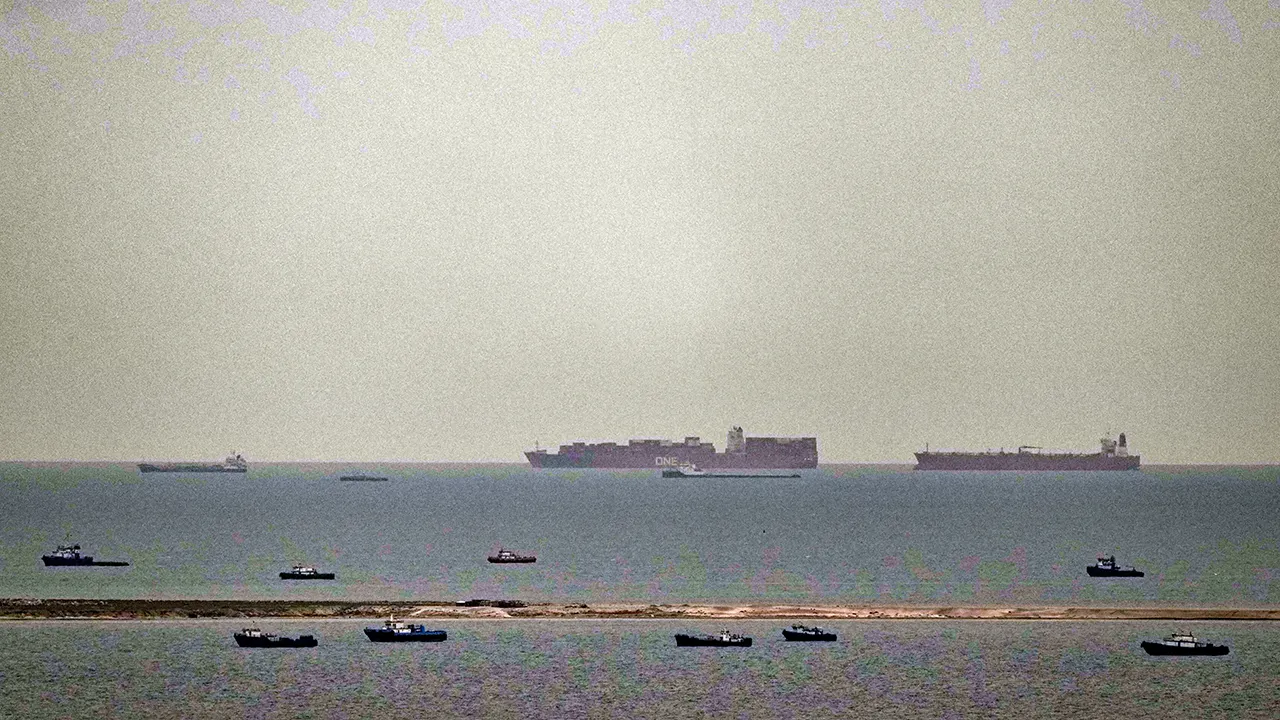
Hundreds of commercial tankers remain stranded on both sides of the Strait of Hormuz following Iran’s decision to shut the critical chokepoint on April 18. The closure has halted maritime traffic and left crews trapped amid reports of gunfire and what shipping companies describe as “traumatic experiences” on board.
According to international law, specifically the United Nations Convention on the Law of the Sea (UNCLOS), the Strait of Hormuz is considered an international waterway through which ships have the right of transit passage. The strait’s strategic importance cannot be overstated—approximately one-fifth of the world’s oil supply passes through this narrow channel, making it a crucial artery for global energy markets, according to the U.S. Energy Information Administration.
The situation has rapidly deteriorated in recent days. The U.K. Maritime Trade Operations (UKMTO) reported that Iranian gunboats opened fire on a tanker on the day of the closure. In a separate incident, a projectile struck a container vessel, damaging its cargo. Maritime monitoring group TankerTrackers released audio that appears to capture a distressing moment as a vessel came under fire while approaching the strait.
“Sepah Navy! Motor tanker Sanmar Herald! You gave me clearance to go… you are firing now. Let me turn back!” a crew member can be heard pleading in the recording.
Iranian state media has confirmed that shots were fired near vessels to force them to turn back. The Islamic Revolutionary Guard Corps (IRGC) stated that the strait would remain closed until the United States lifts its blockade on Iranian ports, warning that ships attempting to navigate the strait would be treated as “enemy” collaborators.
“Approaching the Strait of Hormuz will be considered cooperation with the enemy, and any violating vessel will be targeted,” the IRGC said in a statement carried by the semi-official Tasnim News Agency.
Hapag-Lloyd, the world’s fifth-largest container shipping line, told Fox News Digital that it has activated a crisis team as its crews remain stuck aboard vessels in the region. “We have been working from Friday afternoon until today with the entire crisis team to bring the vessels out—in vain, unfortunately,” said Nils Haupt, senior director of group communications at Hapag-Lloyd AG.
The human toll is mounting as crews remain stranded. “These events can easily lead to traumatic experiences. There is also a significant risk from sea mines, which has made insuring vessels for passage through the Strait nearly impossible,” Haupt explained.
“The crews are well, but they are becoming increasingly impatient and frustrated. It is very unfortunate that we could not leave today,” he added. “Many ships are still stuck in the Persian Gulf. Our six ships are anchored near the port of Dubai, and all crews hope for an improvement in the situation.”
Hapag-Lloyd is taking measures to support their stranded personnel. “We offer all crew members unlimited data so they can video call loved ones and access entertainment. Crews are strong, but after weeks on board there is growing monotony and frustration,” Haupt said. The company also reported that one crew experienced a fire onboard from bomb fragments, while others have witnessed missiles or drones near their vessels.
The standoff has significant geopolitical implications. The United States imposed a blockade on Iranian ports to pressure Tehran to reopen the strait, with U.S. Central Command stating the measures are being enforced “impartially against all vessels.” President Donald Trump has characterized Iran’s actions as “blackmail” and indicated that the U.S. would not back down.
Iran has previously framed restrictions on its oil exports and shipping as “economic warfare,” positioning its actions in the Strait of Hormuz as a response to foreign pressure on its economy.
The Ministry of External Affairs of the Government of India has expressed deep concern over the situation, highlighting the global implications of this maritime crisis. With no immediate resolution in sight, the international shipping community remains on edge as one of the world’s most critical maritime chokepoints remains effectively closed.
Fact Checker
Verify the accuracy of this article using The Disinformation Commission analysis and real-time sources.

9 Comments
The reports of violence and the trapping of commercial vessels in the Strait of Hormuz are deeply troubling. This situation has the potential to severely disrupt energy markets and global trade if not resolved quickly through diplomatic means. I hope the international community can come together to find a peaceful solution.
The closure of the Strait of Hormuz by Iran is a serious violation of international maritime law. Trapping commercial vessels and crews in the crossfire is an unacceptable and dangerous tactic. I hope diplomatic efforts can de-escalate this situation before it leads to further conflict and disruption of global trade.
Agreed. The freedom of navigation through international waterways like the Strait of Hormuz is crucial. Iran’s actions seem to be an irresponsible attempt to exert pressure, but they risk backfiring and causing significant economic harm.
This crisis in the Strait of Hormuz highlights the fragility of global supply chains and the need for energy diversification. While the strategic importance of this waterway is clear, Iran’s actions appear to be an ill-advised attempt to exert influence that could backfire and cause serious harm.
This is a concerning development in the Strait of Hormuz crisis. With hundreds of vessels trapped and reports of violence, the situation seems to be escalating rapidly. The strategic importance of this waterway for global energy markets makes this a critical issue that needs to be resolved peacefully and swiftly.
This is a worrying development that could have significant implications for the global economy, particularly the energy and commodities sectors. The Strait of Hormuz is a critical chokepoint, and Iran’s closure of this waterway is a serious breach of international law. I’m curious to see how this situation unfolds and whether diplomatic efforts can de-escalate the crisis.
The closure of the Strait of Hormuz is deeply concerning, both for the immediate impact on stranded crews and the broader implications for global energy security and trade. I’m curious to see how this situation evolves and whether diplomatic efforts can de-escalate tensions before the economic fallout worsens.
This crisis in the Strait of Hormuz underscores the geopolitical risks that can impact critical supply chains and energy markets. With so much at stake, I hope the international community can come together to find a diplomatic solution that restores safe passage through this strategic chokepoint.
The closure of the Strait of Hormuz by Iran is a concerning move that could have far-reaching consequences. With hundreds of vessels and thousands of sailors trapped, the potential for further conflict and disruption to global trade is significant. I hope the international community can swiftly find a diplomatic solution to this crisis.