


Listen to the article
Lebanon-Israel Ceasefire Faces Early Test as Violence Claims French and Israeli Lives
The fragile 10-day ceasefire between Israel and Lebanon encountered significant challenges on April 18 when an ambush in southern Lebanon killed a French peacekeeper, while an IDF reservist also died when an engineering vehicle struck a bomb planted by Hezbollah. The incidents highlight ongoing tensions and the difficulty of maintaining peace in the volatile region.
Sergeant Major Florian Montorio of France’s 17th Parachute Engineer Regiment was killed during a patrol clearing explosives near Ghandouriyeh when troops came under small-arms fire. Three other French soldiers were wounded and evacuated, according to French President Emmanuel Macron.
“All indications suggest that Hezbollah is responsible for this attack,” Macron said in a statement. “France demands that the Lebanese authorities immediately arrest those responsible and take responsibility alongside UNIFIL.”
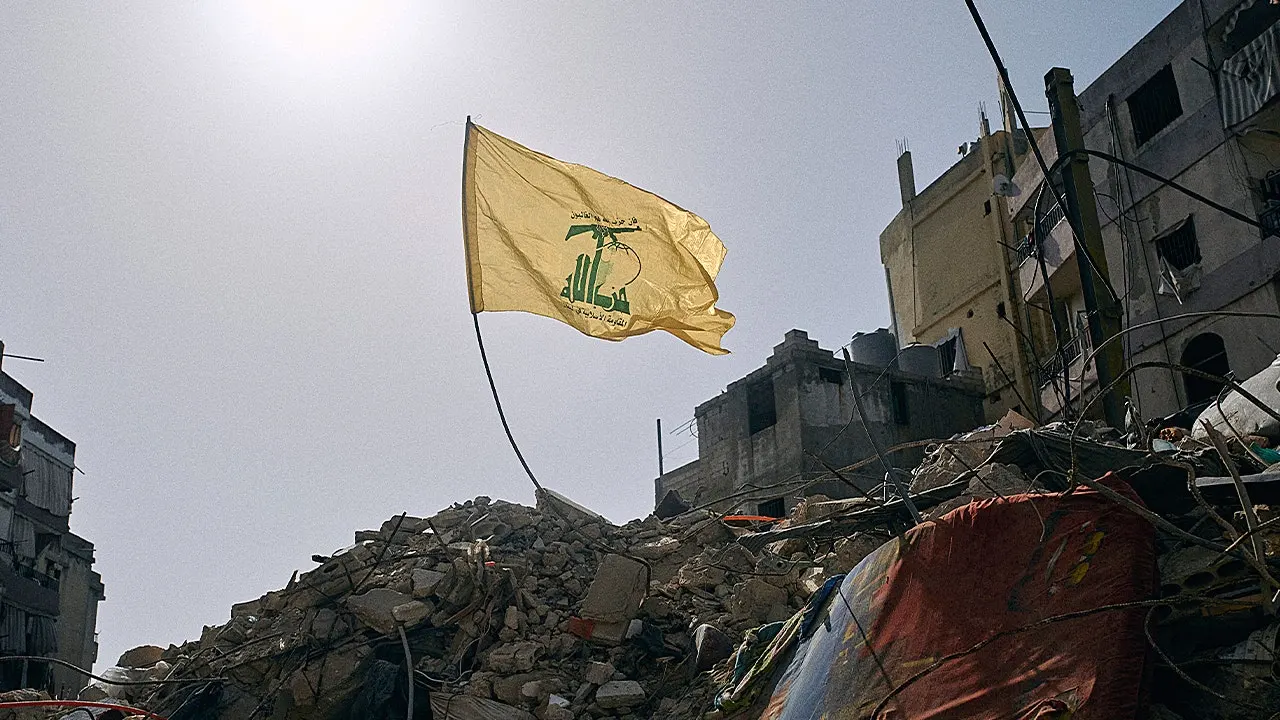
Hezbollah has denied involvement in the attack on the UN peacekeepers, though UN Secretary-General Antonio Guterres said an initial assessment by the UN Interim Force in Lebanon (UNIFIL) found the attack was carried out by the Iran-backed militant group.
Kobi Michael, a senior researcher at the Institute for National Security Studies (INSS) and the Misgav Institute in Tel Aviv, told Fox News Digital that the incident demonstrates Hezbollah’s continued use of “human shield” tactics in the region.
“Hezbollah worked for decades to build an entire facility, part of it underground, below private residential buildings and houses, preparing themselves for a surprise attack on Israel,” Michael explained. “They were well-prepared to defend themselves once the IDF entered and tried to fight them.”
The ceasefire, which took effect on April 16, was negotiated with U.S. assistance and is intended to last for 10 days. Under its terms, Israel retains the right to act in self-defense against threats, while Lebanon must take steps to prevent attacks by Hezbollah and other armed groups. The agreement specifies that Lebanon’s security forces are solely responsible for national security in the country.
Despite the agreement, the Israel Defense Forces (IDF) has already conducted strikes in response to what it described as “ceasefire violations by Hezbollah.” These continuing hostilities underscore the challenges facing the ceasefire’s implementation.
Michael pointed out what he sees as inconsistency in France’s approach to the conflict. “When it comes to Hezbollah breaches against Israel, the French demand Israel restrain and contain, but when it comes to one of their soldiers, they are furious at Hezbollah,” he said. France had previously called Israeli strikes on Lebanon on April 8 “intolerable” and opposed a ground offensive.
The researcher also emphasized Iran’s continuing influence over Hezbollah in southern Lebanon. “Iran’s Islamic Revolutionary Guard Corps (IRGC) is still in charge of Hezbollah,” he said, noting that the Lebanese army appears “unwilling to fight or confront Hezbollah.”
According to Michael, this reluctance stems from two factors: “First, because of the Shiite segment of this army that identifies with Hezbollah, and secondly, because it is afraid that confronting Hezbollah will lead to a civil war, a trauma they still have since the first one in 1975, lasting 15 years — until 1990.”
The situation in southern Lebanon remains deeply complex, with Hezbollah maintaining significant control over Shiite villages and communities. “Most people in these southern villages are connected to Hezbollah in one way or another and are heavily dependent on the terror organization,” Michael explained.
“All community life and infrastructure in these Shiite villages and towns are an effective cover for terror purposes and Hezbollah activities,” he added, describing how the militant group has integrated its military operations within civilian areas.
The U.S. State Department continues to support diplomatic efforts to resolve the conflict, with both Israel and Lebanon requesting American assistance in facilitating ongoing talks to address remaining issues. However, with Hezbollah operating as what Michael calls “an unrestrained political force within the Lebanese political system,” establishing lasting peace remains a formidable challenge.
The deaths of both the French peacekeeper and the Israeli reservist serve as stark reminders of the dangers that persist despite diplomatic efforts, and raise questions about the viability of the ceasefire as it moves forward.
Fact Checker
Verify the accuracy of this article using The Disinformation Commission analysis and real-time sources.

9 Comments
This is a worrying development. Hezbollah’s alleged involvement raises serious questions about their commitment to the ceasefire and respect for international forces. Maintaining regional stability should be the top priority.
This is a deeply troubling incident. Attacks on UN peacekeepers are unacceptable and undermine efforts to maintain stability in the region. I hope the investigation can provide clarity on Hezbollah’s involvement and lead to appropriate consequences.
Tragic incident in Lebanon. Hezbollah’s use of ‘human shield’ tactics puts innocent lives at risk and complicates efforts to maintain peace in the region. I hope the responsible parties are swiftly brought to justice.
The ambush on UN peacekeepers is deeply concerning. Attacks on international forces tasked with upholding stability only serve to further inflame tensions. France is right to demand accountability from Lebanese authorities.
Agreed. The ceasefire is fragile, and any violence that undermines UNIFIL’s mission is highly problematic. The safety of peacekeepers must be prioritized.
Deeply saddened by the news of the attack on UN peacekeepers in Lebanon. The use of ‘human shields’ by Hezbollah is a war crime that puts innocent lives at grave risk. I hope the perpetrators are swiftly brought to justice.
Tragic loss of life. Hezbollah’s alleged tactics of using civilians as cover are morally reprehensible and make the job of peacekeepers extremely challenging. I hope this incident does not derail the fragile ceasefire.
Concerning news from Lebanon. The use of ‘human shields’ by Hezbollah is a clear violation of international law and puts innocent lives at grave risk. France is right to demand a robust response from Lebanese authorities.
Tragic loss of life. Hezbollah’s tactics of using civilians as cover are deplorable and make the job of peacekeepers incredibly difficult. I hope the investigation can swiftly identify and hold the perpetrators accountable.