


Listen to the article
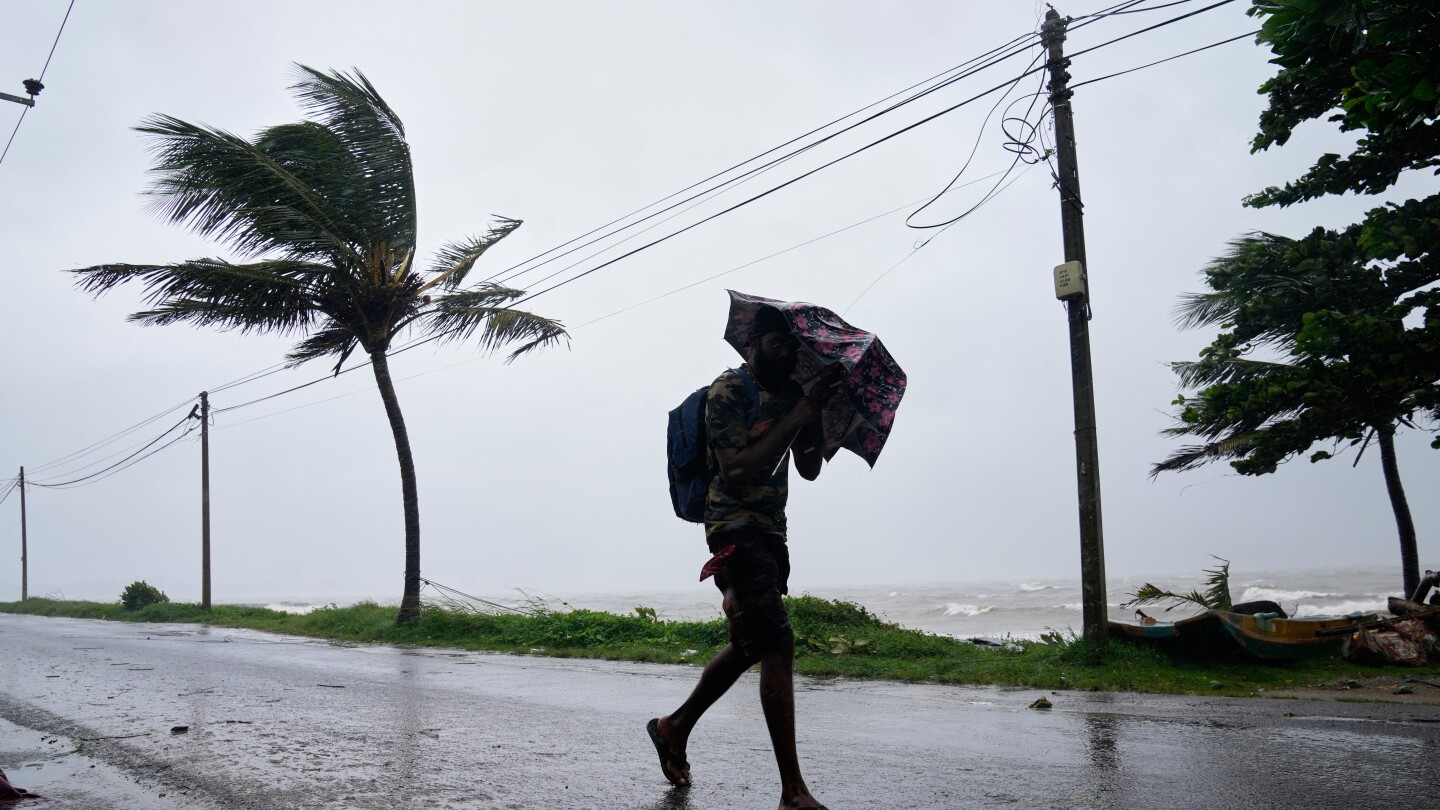
Severe flooding and landslides have claimed 56 lives across Sri Lanka, prompting authorities to close government offices and schools as the island nation grapples with its worst weather disaster in recent years.
The crisis, which began last week, intensified dramatically on Thursday when heavy downpours triggered deadly landslides in the central mountainous regions known for tea production. The districts of Badulla and Nuwara Eliya, located approximately 300 kilometers east of the capital Colombo, were particularly hard hit with more than 25 fatalities reported in these areas alone.
According to the government’s disaster management center, 21 people remain missing and 14 are injured in these central districts, where steep terrain has made rescue operations challenging. Additional casualties have been reported from landslides in other parts of the country as the disaster continues to unfold.
The situation deteriorated so rapidly that Sri Lankan officials announced the closure of all government offices and educational institutions on Friday to ensure public safety and allow emergency services to focus on rescue and recovery efforts.
Infrastructure across the island has been severely compromised. Most reservoirs and rivers have breached their banks, causing extensive flooding that has blocked major transportation routes. Authorities have suspended passenger train service in affected areas after floodwaters submerged railway tracks. Numerous roads remain impassable due to debris, including fallen trees, mud, and rocks.
Dramatic rescue operations are underway across the affected regions. Local television broadcast footage of an air force helicopter rescuing three people who had been stranded on a rooftop surrounded by floodwaters. The Sri Lankan Navy and police have deployed boats to evacuate residents from areas where rising water has cut off normal access.
The disaster has produced harrowing scenes across the country. Near the eastern town of Ampara, witnesses captured footage of a car being swept away by powerful floodwaters, resulting in the deaths of three passengers. This incident underscores the extreme dangers posed by flash flooding, which can transform normally safe roadways into deadly hazards within minutes.
The flooding has also caused extensive damage to property and infrastructure, with more than 600 houses reported damaged according to official figures. Agricultural lands, particularly in Sri Lanka’s important tea-growing regions, have been inundated, raising concerns about longer-term economic impacts in a country already facing significant economic challenges.
Sri Lanka, a tropical island in the Indian Ocean, is prone to monsoon-related flooding, but the intensity of this current disaster has overwhelmed local response capabilities in many areas. Climate experts have noted that extreme weather events have become more frequent and more intense in the region in recent years, consistent with global climate change patterns.
International aid organizations are beginning to mobilize support for relief efforts, though the full scale of the disaster is still unfolding. Local officials expect the death toll may rise further as search teams reach more remote areas that have been cut off by floodwaters.
The disaster comes at a particularly challenging time for Sri Lanka, which has been working to recover from an economic crisis that began in 2022. The extensive damage to infrastructure and agriculture from these floods could further strain the nation’s resources and recovery efforts.
As rescue operations continue, authorities are monitoring weather forecasts closely, with concerns that additional rainfall could worsen conditions in already saturated areas and trigger more landslides in the mountainous regions.
Fact Checker
Verify the accuracy of this article using The Disinformation Commission analysis and real-time sources.

8 Comments
This is a stark reminder of the need for better disaster preparedness and mitigation efforts in regions prone to severe weather events. I hope the authorities in Sri Lanka can quickly mobilize the necessary resources to aid affected communities and prevent further loss of life.
The scale of this natural disaster in Sri Lanka is truly alarming. My thoughts are with the families who have lost loved ones and those who have been displaced by the floods and landslides. I hope the recovery efforts can restore normalcy to the affected regions as soon as possible.
This is a devastating event for Sri Lanka, which has already been dealing with economic and political instability. The loss of life and damage to infrastructure is truly heartbreaking. I hope the international community can provide the necessary aid and support during this crisis.
The closure of offices and schools in Sri Lanka highlights the immense disruption these natural disasters can have on daily life and economic activity. Restoring critical infrastructure and services will be crucial in the recovery efforts.
This is a tragic situation unfolding in Sri Lanka. My heart goes out to the victims and their families affected by these devastating landslides and floods. The closure of schools and government offices highlights the severity of the crisis and the need for urgent response and recovery efforts.
Extreme weather events like this are becoming more frequent due to climate change. It’s crucial that the international community provides support to Sri Lanka as they respond to this disaster and work to build resilience against future disasters. My thoughts are with the people of Sri Lanka during this difficult time.
The heavy rainfall and resulting landslides and flooding have had a devastating impact across Sri Lanka. It’s alarming to see the rising death toll and the scale of the damage to infrastructure. I hope the rescue and recovery operations can provide relief to those impacted.
Severe weather events like these are becoming more frequent and intense due to climate change. I hope the authorities in Sri Lanka can learn from this experience to improve disaster preparedness and resilience for the future. The international community should offer assistance to support these efforts.