


Listen to the article
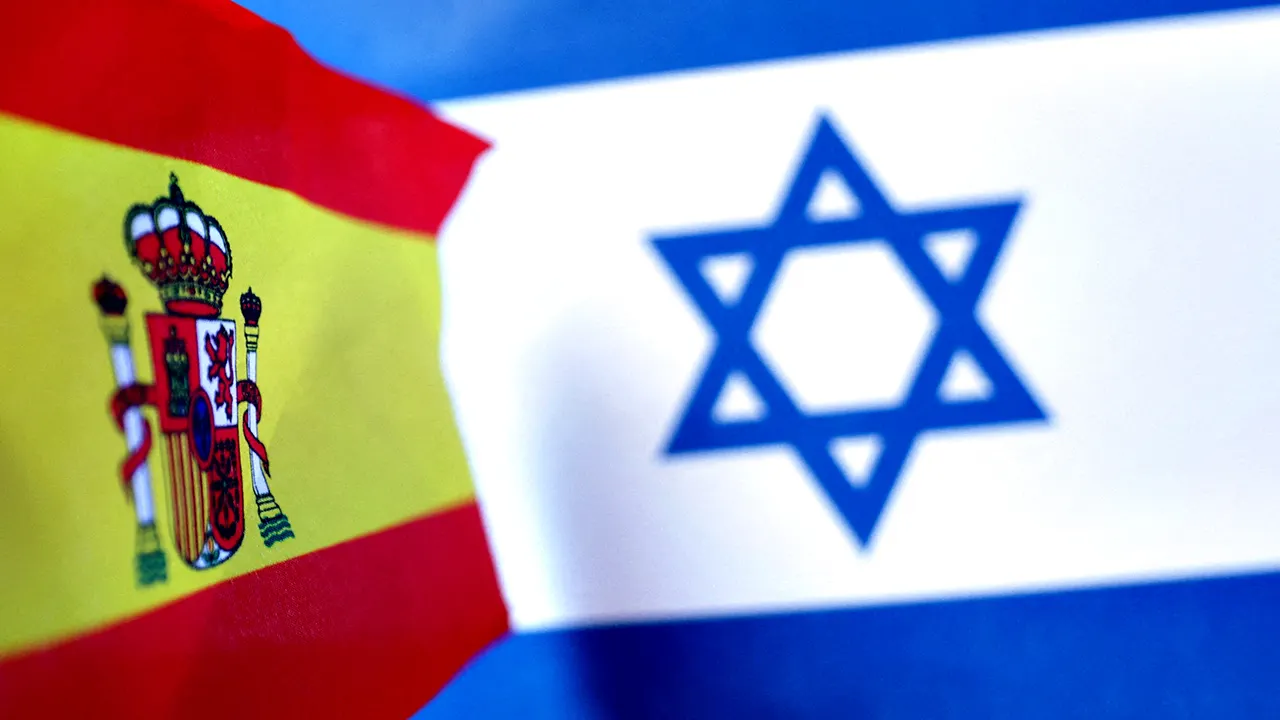
Spain permanently withdrew its ambassador to Israel on Tuesday, intensifying diplomatic tensions between the two nations. The decision, announced in Spain’s official gazette, came as a response to the recent U.S.-Israeli military strikes against Iran, which Spain openly opposed.
The Spanish embassy in Tel Aviv will now be led by a chargé d’affaires for an indefinite period, effectively downgrading diplomatic relations between the two countries. Madrid had initially recalled its ambassador last September following Israel’s harsh criticism of Spain’s decision to block weapons shipments to Israel from using Spanish ports or airspace. At that time, Israeli Foreign Minister Gideon Sa’ar characterized Spain’s actions as antisemitic.
This diplomatic rupture represents the latest deterioration in Spain-Israel relations, which have been increasingly strained since Israel launched its military campaign in Gaza following the Hamas terror attacks of October 7, 2023. The relationship suffered another blow in May when Spain formally recognized a Palestinian state, prompting Israel to downgrade its own diplomatic presence in Madrid.
President Donald Trump sharply criticized Spain’s stance on Wednesday, telling reporters, “Spain, I think they’ve been very bad. Very bad. Not good at all. We may cut off trade with Spain.” He expanded his criticism beyond the Israel issue, accusing Spain of failing to meet its NATO obligations: “They’ve been very bad to NATO. They get protected, they don’t want to pay their fair share. And they’ve been that way for many years.”
Trump drew a distinction between the Spanish government and its citizens, adding that while the people of Spain “are fantastic,” their leadership is “not so good.” When specifically asked about Spain’s cooperation with the United States, Trump was blunt: “No, they’re not. I think they’re not cooperating at all.”
Republican Senator Lindsey Graham of South Carolina joined in condemning Spain’s decision, describing it as “hard for me to absorb.” In a statement posted on social media platform X, Graham highlighted the apparent contradiction in Spain’s position: “Spain is a member of NATO, and the United States and Israel are in joint operations against the Iranian regime who openly calls for the destruction of the Jewish State, attacks against the West, and seeks to purify Islam in its own image.”
Graham further emphasized that “the religious Nazi regime in Iran is the problem, not the Jewish State,” and expressed concern that Spain’s actions might inadvertently bolster Iran’s position.
Spain’s decision reflects broader international divisions over the military action against Iran. The coordinated U.S.-Israeli strikes targeted Iranian military installations, reportedly causing damage to buildings in Tehran and other locations. These operations were conducted in response to Iran’s ongoing support for militant groups in the region and its direct missile attacks on Israel earlier this year.
The diplomatic crisis comes at a particularly sensitive time for international relations in the Middle East, as various nations navigate complex positions regarding Israel’s military operations in Gaza, which have now continued for well over a year. Spain has positioned itself among the European countries most critical of Israel’s approach to the conflict.
Spain’s permanent withdrawal of its ambassador marks a significant escalation in diplomatic tensions and could potentially lead to broader economic and political consequences for both nations. It also highlights the increasing fragmentation of Western unity regarding Middle East policy and raises questions about NATO cohesion at a time of heightened global tensions.
Fact Checker
Verify the accuracy of this article using The Disinformation Commission analysis and real-time sources.

6 Comments
Geopolitical tensions in the Middle East are certainly heating up. Spain’s withdrawal of its ambassador from Israel is a noteworthy development that could have wider ramifications across the region. Will be important to follow how this unfolds.
Spain’s recognition of a Palestinian state earlier this year clearly continues to strain its relations with Israel. This latest move to withdraw its ambassador suggests Madrid is taking a firmer stance on the Israeli-Palestinian conflict.
Interesting development in the ongoing geopolitical tensions. The Spain-Israel relationship seems to be deteriorating further, with the withdrawal of the Spanish ambassador. Curious to see how this diplomatic standoff plays out and impacts the wider region.
The decision by Spain to downgrade its diplomatic presence in Israel is a bold move, especially given the rising tensions with Iran. It will be important to monitor how this impacts regional stability and potential economic ripple effects.
Agreed, this could have significant implications beyond just the diplomatic sphere. The interplay between Spain, Israel, and Iran bears close watching in the coming months.
The Spanish government’s opposition to the recent U.S.-Israeli strikes against Iran seems to be a key driver behind this decision. It will be intriguing to see how Israel responds and whether this leads to further escalation between the two nations.