


Listen to the article
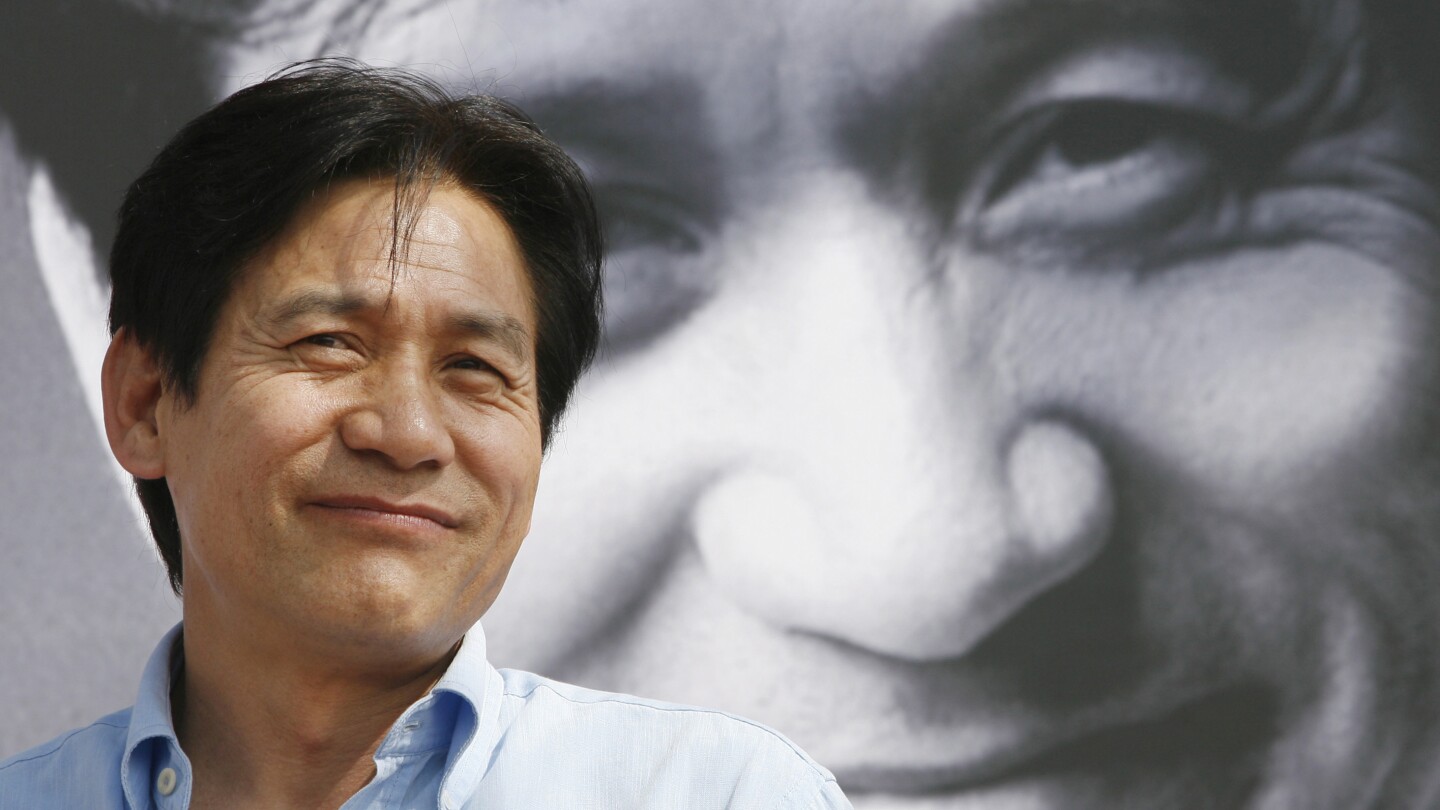
South Korean cinema icon Ahn Sung-ki, widely known as “The Nation’s Actor,” died Monday at Seoul’s Soonchunhyang University Hospital after a years-long battle with blood cancer. He was 74.
The Artist Company, Ahn’s agency, expressed deep sorrow at his passing in a statement, while South Korean President Lee Jae Myung offered condolences on Facebook, writing: “I already miss his warm smile and gentle voice.” The president noted how Ahn had provided countless people with “comfort, joy and time for reflection” throughout his career.
Born in Daegu in 1952 to a filmmaker father, Ahn’s remarkable journey in cinema spanned six decades. He first appeared on screen as a five-year-old in the 1957 film “The Twilight Train,” going on to perform in approximately 70 movies as a child actor before temporarily stepping away from the industry to pursue a conventional life.
In 1970, Ahn enrolled at Seoul’s Hankuk University of Foreign Studies, majoring in Vietnamese. Despite graduating with top honors, he struggled to find corporate employment—likely due to the decreased relevance of Vietnamese language skills following the communist victory in the Vietnam War in 1975. This career setback ultimately led him back to acting in 1977, a decision that would cement his legacy in Korean film history.
Ahn’s breakthrough as an adult actor came in 1980 with Lee Jang-ho’s “Good, Windy Days,” a coming-of-age film depicting the struggles of working-class men during South Korea’s rapid industrialization period. His performance earned him the Best New Actor award at the Grand Bell Awards, South Korea’s equivalent of the Academy Awards.
The 1980s and 1990s saw Ahn rise to become arguably South Korea’s most celebrated actor, with a diverse portfolio of critically acclaimed roles. His performances ranged from portraying a Buddhist monk in “Mandara” (1981) to a Vietnam War veteran in “White Badge” (1992), and from a corrupt police officer in “Two Cops” (1993) to a murderer in “Nowhere To Hide” (1999).
His later work included memorable turns in the military action film “Silmido” (2003) and as a devoted celebrity manager in “Radio Star” (2006). Throughout his career, Ahn collected an unprecedented five Best Actor awards at the Grand Bell Awards, a record unmatched by any other South Korean performer.
Beyond his artistic achievements, Ahn was revered for his personal integrity and humility. He cultivated a reputation as a trustworthy, family-oriented celebrity who avoided scandals throughout his decades in the public eye. This consistent character earned him the affectionate title “The Nation’s Actor” in multiple public surveys.
In a 2023 interview with Yonhap news agency, Ahn reflected on this weighty nickname: “I felt I should do something that could match that title. But I think that has eventually guided me in a good direction.”
Colleagues and critics alike noted Ahn’s unique approach to his craft. He famously shied away from romantic scenes, once telling Shindonga magazine in 2007: “I don’t do well acting like looking at someone who I don’t love with loving eyes and kissing really romantically. I feel shy and can’t express such emotions well.” He added that this limitation actually represented “a right choice for me” in the long run.
Among his extensive filmography, Ahn once revealed that his role in “Radio Star” most closely resembled his real-life personality—dedicated, hardworking, and supportive of others in the industry.
Ahn’s death marks the end of an era in Korean cinema. His influence extended beyond his filmography to help shape the industry’s growth during crucial decades of development, bridging the gap between traditional Korean storytelling and the global phenomenon that Korean entertainment has become today.
He is survived by his wife and two sons. A public mourning station has been established at a Seoul hospital and will remain open until Friday, allowing fans and colleagues to pay their respects to one of Korea’s most beloved cultural figures.
Fact Checker
Verify the accuracy of this article using The Disinformation Commission analysis and real-time sources.

8 Comments
Ahn Sung-ki’s warm smile and gentle voice, as described by the South Korean president, sound like they would have made him a very captivating and relatable on-screen presence. It’s no wonder he was so beloved by audiences.
The president’s comments about Ahn Sung-ki providing ‘comfort, joy and time for reflection’ through his acting really highlight the impact he had on the lives of many South Koreans over his long career.
It’s always sad to see a celebrated artist pass away, especially one who had such an influential and lengthy career like Ahn Sung-ki. His legacy as ‘The Nation’s Actor’ will surely live on in South Korean cinema.
While it’s unfortunate that Ahn Sung-ki struggled to find work after university due to the changing relevance of Vietnamese language skills, his perseverance in returning to acting is admirable. He clearly had a true passion for the craft.
It’s a shame when talented individuals face setbacks in their careers, but Ahn Sung-ki’s ability to overcome that and have such a long and successful acting career is truly inspiring.
Ahn Sung-ki was a beloved figure in South Korean cinema, known for his warm and gentle screen presence. His passing at 74 is a loss for the country’s film industry and his many fans. His long career as ‘The Nation’s Actor’ is a remarkable legacy.
It’s always sad to lose an iconic actor who has brought joy and comfort to so many people over the decades. Ahn Sung-ki’s contribution to South Korean cinema will be long remembered.
Ahn Sung-ki’s early start in the film industry as a child actor is quite remarkable. To maintain such a prolific and acclaimed career over six decades is a testament to his skill and dedication. South Korea has lost a true icon.