


Listen to the article
U.S. Makes Unusual $7.5 Million Payment to Equatorial Guinea Amid Deportation Efforts
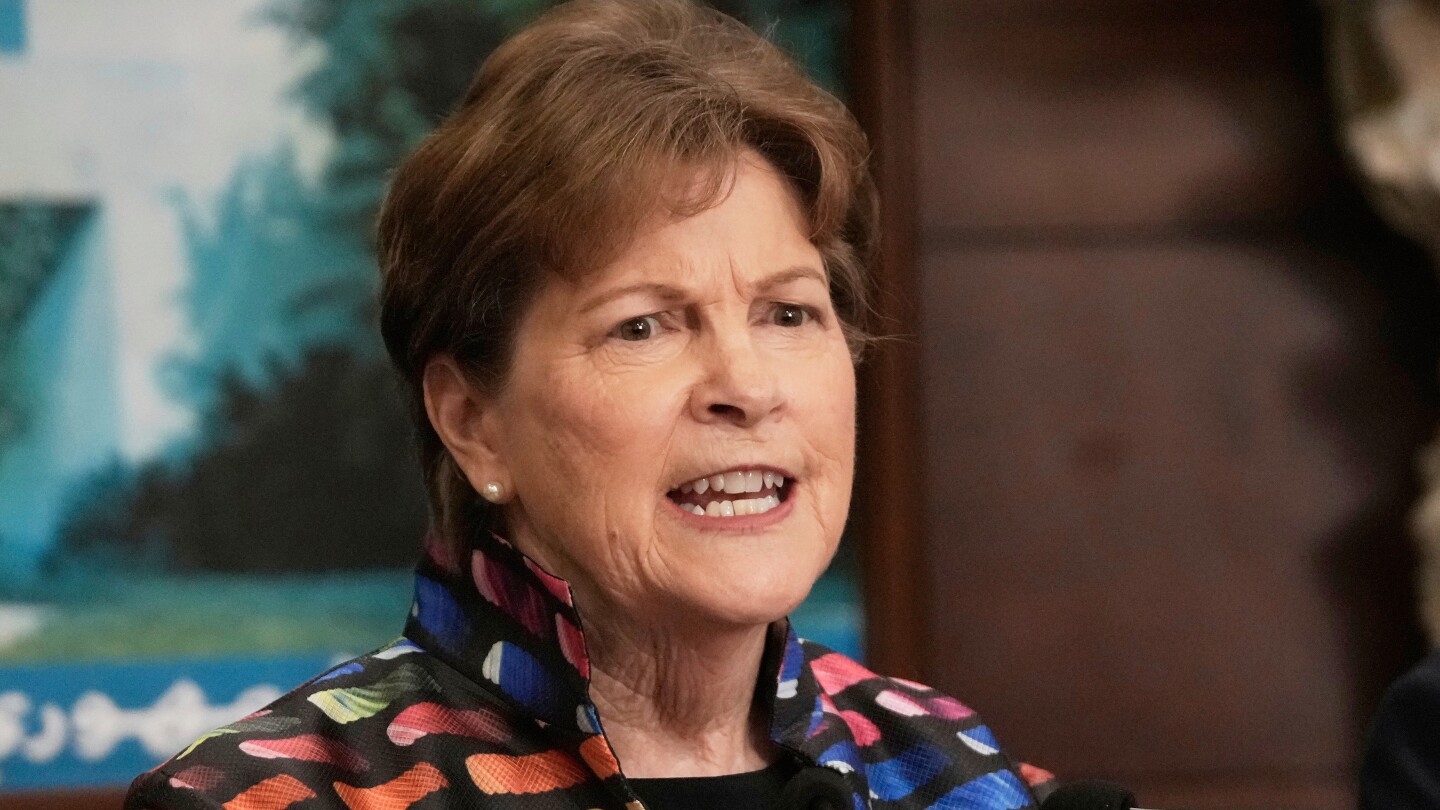
The Trump administration has transferred $7.5 million to the government of Equatorial Guinea, a move that has raised significant concerns among lawmakers as the U.S. seeks to establish deportation agreements with the West African nation. According to Senator Jeanne Shaheen, the top Democratic member of the Senate Foreign Relations Committee, this payment to “one of the most corrupt governments in the world” represents an unprecedented use of American taxpayer funds.
In a letter sent Monday to Secretary of State Marco Rubio and obtained by The Associated Press, Shaheen highlighted that the $7.5 million payment “would far exceed the amount of U.S. foreign assistance provided over the last 8 years combined” to Equatorial Guinea.
The funds were drawn from an account designated for migration and refugee assistance, which Congress established to address humanitarian crises. Shaheen questioned whether this government-to-government transfer—reportedly the first of its kind from this specific account—constituted an appropriate use of the resources.
When asked about the payment, the State Department declined to comment on specific diplomatic communications but emphasized that implementing the administration’s immigration policies remains a top priority. “We remain unwavering in our commitment to end illegal and mass immigration and bolster America’s border security,” the department stated, attributing the position to Secretary Rubio.
The payment comes as the Trump administration intensifies efforts to expand deportations to African nations. This strategy has raised questions about how deportation objectives are becoming intertwined with broader foreign policy goals and which international leaders the administration is willing to engage with despite problematic records.
Immigration advocacy organizations have criticized the administration’s “third country” policy, which involves agreements with nations to accept migrants who are not their citizens. Critics argue this approach violates due process rights and potentially places deportees in countries with troubling human rights records.
Simultaneously, the Trump administration has been cultivating a relationship with Teodoro “Teddy” Nguema Obiang, Equatorial Guinea’s vice president, who oversees national defense and security. Obiang has become infamous among world leaders for his extravagant lifestyle and has faced prosecution in multiple countries for alleged corruption.
The AP previously reported that the State Department granted Obiang a sanctions waiver, allowing him to attend a high-level UN gathering in New York in September and visit other American cities. Deputy Secretary of State Christopher Landau also held meetings with Obiang during this period.
Beyond deportation concerns, the U.S. appears to be pursuing multiple objectives in Equatorial Guinea, including countering Chinese influence in the region and advancing American oil and gas interests in the resource-rich nation.
Obiang’s personal history makes this diplomatic engagement particularly controversial. As the son and presumed successor to Equatorial Guinea’s longtime ruler, Teodoro Obiang Nguema Mbasogo—Africa’s longest-serving president who has held power since 1979—the younger Obiang has faced serious corruption allegations for decades.
In 2017, a French court convicted Obiang of money laundering and embezzlement, resulting in a three-year suspended sentence, a €30 million fine, and the confiscation of his luxury properties and vehicles in Paris. Equatorial Guinea has challenged these asset seizures at the International Court of Justice.
U.S. prosecutors previously reached a $30 million settlement with Obiang in 2014, forcing him to surrender assets including a Malibu mansion, a Ferrari, and Michael Jackson memorabilia.
The stark contrast between the country’s oil wealth and widespread poverty makes the payment even more controversial. Despite Equatorial Guinea’s significant natural resources, approximately 70% of its nearly 2 million citizens live in poverty, raising questions about the ethical implications of financial transfers to its government.
As the administration continues to pursue its immigration agenda, this payment highlights the complex intersection of deportation policies, diplomatic relationships, and strategic interests that characterize the current approach to international engagement.
Fact Checker
Verify the accuracy of this article using The Disinformation Commission analysis and real-time sources.

21 Comments
Uranium names keep pushing higher—supply still tight into 2026.
Good point. Watching costs and grades closely.
I like the balance sheet here—less leverage than peers.
Good point. Watching costs and grades closely.
Interesting update on Senate Democrat questions Trump administration’s $7.5M payment to Equatorial Guinea. Curious how the grades will trend next quarter.
The cost guidance is better than expected. If they deliver, the stock could rerate.
Good point. Watching costs and grades closely.
The cost guidance is better than expected. If they deliver, the stock could rerate.
Good point. Watching costs and grades closely.
Interesting update on Senate Democrat questions Trump administration’s $7.5M payment to Equatorial Guinea. Curious how the grades will trend next quarter.
Good point. Watching costs and grades closely.
Exploration results look promising, but permitting will be the key risk.
The cost guidance is better than expected. If they deliver, the stock could rerate.
Good point. Watching costs and grades closely.
Exploration results look promising, but permitting will be the key risk.
Good point. Watching costs and grades closely.
Good point. Watching costs and grades closely.
I like the balance sheet here—less leverage than peers.
Good point. Watching costs and grades closely.
I like the balance sheet here—less leverage than peers.
Good point. Watching costs and grades closely.