


Listen to the article
Ecuadorian Family’s Solo Mission to Preserve Amazon’s Endangered Plants
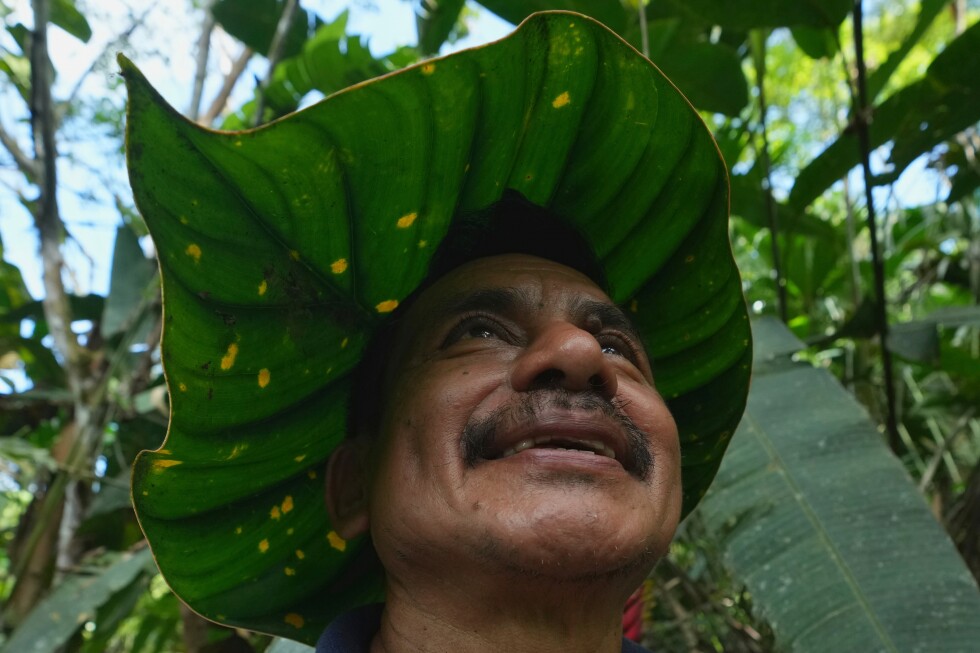
On a recent expedition deep into the Ecuadorian Amazon, Ramón Pucha noticed fresh puma tracks following his own footprints along a jungle path. Undeterred, he continued his journey, focused entirely on his precious cargo — seeds from some of the world’s most endangered plant species.
Pucha and his family have devoted years to recreating a thriving piece of rainforest on their 32-hectare farm called El Picaflor in the Indigenous Quichua community of Alto Ila, located about 80 miles southeast of Quito, Ecuador’s capital.
“I have a passion for nature, for plants, for animals,” says 51-year-old Pucha, acknowledging that his environmental dedication runs so deep that many local community members consider him “crazy.”
His conservation work often takes him on solitary journeys deep into the Amazon, where he spends up to five days searching for rare seeds. These expeditions have grown increasingly challenging in recent years. On multiple occasions, Pucha has returned empty-handed because many large trees have stopped producing seeds annually — a direct consequence of climate change and the severe droughts plaguing the region.
When seeds finally make it back to El Picaflor, Pucha’s wife, Marlene Chiluisa, takes over. She plants them in carefully prepared soil and compost, nurturing them until they grow into seedlings ready for replanting in the rainforest. The family’s conservation model extends beyond their land, as they sell or gift a percentage of their plants to neighbors who share their commitment to forest regeneration.
The couple’s 21-year-old son, Jhoel, has emerged as the family’s successor in this vital work. A skilled botanist in his own right, he navigates the forest with remarkable expertise, identifying plants by their common, traditional, and scientific names. Jhoel also serves as a guide for visitors, ferrying them across the turbulent Ila River in a makeshift craft constructed from wooden planks attached to a buoy.
Despite the critical ecological importance of their work, the Pucha family operates without external support.
“Nobody gives us any incentive—not the government, not foundations, not anyone,” Chiluisa explains.
Ecuador’s Ministry of Agriculture and Livestock recognizes the significance of the family’s conservation efforts, describing El Picaflor as a “living laboratory” and an essential seed bank in a region devastated by a half-century of intensive logging. The ministry’s acknowledgment highlights the vital role such grassroots conservation plays in an area where industrial development has severely diminished biodiversity.
The political landscape, however, presents new challenges. Ecuador made history as the first country to enshrine the “rights of nature” in its constitution, establishing a legal framework that recognizes ecosystems as entities with legal rights. But environmentalists and Indigenous groups warn that this ecological legacy is now threatened by President Daniel Noboa’s recent decision to merge the Ministry of Environment with the Ministry of Energy and Mines — a move that critics fear prioritizes resource extraction over conservation.
As Pucha walks across what was once barren pastureland, now transformed into a thriving forest ecosystem, he pauses frequently to observe the plants, describing the unique ecological purpose of each species. His eyes light up when he points to a small growing tree, explaining that this particular hardwood species, now rare in the region, will take a century to reach full maturity.
Though he knows he won’t live to see this tree in its full glory, Pucha remains unwavering in his commitment. “That is my legacy for my children and for humanity,” he says, noting that these endangered species are crucial to the Amazon’s survival — serving both as medicine for humans and as food sources for the animals that naturally disperse seeds throughout the forest.
In a region facing accelerating deforestation, changing climate patterns, and shifting political priorities, the Pucha family’s preservation work represents a small but vital stronghold against the loss of Amazonian biodiversity. Their efforts demonstrate how indigenous knowledge and dedication can create models for conservation, even without institutional support or recognition.
Fact Checker
Verify the accuracy of this article using The Disinformation Commission analysis and real-time sources.

18 Comments
Ramón Pucha’s willingness to face personal risks, like encountering puma tracks, in order to collect seeds from endangered plants is a testament to his passion for conservation. His family’s work deserves widespread recognition and support.
The Pucha family’s story highlights the critical role that individuals can play in protecting the world’s threatened ecosystems. Their efforts should inspire others to take action in their own communities.
It’s disheartening to hear that Ramón Pucha has returned empty-handed from expeditions due to the impacts of climate change. This underscores the urgent need for global action to protect the Amazon and other threatened ecosystems.
Preserving endangered plant species is crucial for maintaining biodiversity and ecological resilience. The Pucha family’s work is an important contribution to these efforts.
Ramón Pucha and his family are unsung heroes, risking their safety to travel deep into the Amazon and collect seeds from vanishing plant species. This is conservation work at its most grassroots level.
I’m curious to learn more about the specific endangered plants they are trying to preserve. What makes them so unique or important to the rainforest ecosystem?
It’s alarming to hear that climate change is disrupting the natural cycles of the Amazon, leading to a decline in seed production. This highlights the urgent need for global action to address the climate crisis and its impacts on fragile ecosystems.
The Pucha family’s conservation work is a powerful example of how individual action can make a difference, even in the face of daunting environmental challenges. Their story is an inspiration.
The Pucha family’s creation of a thriving rainforest on their own land is a remarkable feat, demonstrating the power of grassroots conservation efforts. Their dedication to preserving endangered plant species is truly admirable.
I’m curious to learn more about the specific plant species the Pucha family is focused on and the unique ecological roles they play in the Amazon rainforest. Understanding their importance could help raise awareness and support for this vital work.
This family’s dedication to preserving the Amazon’s endangered plants is truly inspiring. It’s heartening to see individuals taking such direct action to protect our precious natural heritage.
Facing puma tracks and other challenges, their perseverance in the face of climate change impacts is admirable. I hope their work inspires others to follow their lead.
The story highlights how climate change is disrupting the natural cycles of the Amazon, with trees failing to produce seeds annually. This is a worrying sign of the wider environmental challenges we face.
I wonder if there are opportunities for larger conservation organizations to support and amplify the work of dedicated individuals like the Pucha family. Their efforts deserve wider recognition.
The Pucha family’s commitment to creating a thriving rainforest on their own land is a grassroots model for conservation that could be replicated elsewhere. Their passion for nature is truly inspiring.
I’d be interested to learn more about the specific plant species they are focused on preserving and why they are considered endangered. Understanding the ecological importance of these plants would help raise awareness.
Ramón Pucha’s solitary expeditions into the Amazon, facing threats like puma tracks, demonstrate the personal risks and challenges involved in this type of conservation work. The Pucha family’s dedication is truly remarkable.
I hope that Ramón Pucha and his family receive the recognition and support they deserve for their tireless efforts to protect the Amazon’s endangered plants.