


Listen to the article
A suspected Russian drone attack struck a Turkish tanker in Ukraine’s Odesa region on Monday, igniting a fire that prompted evacuations across the Danube River in Romania and raising concerns about regional security.
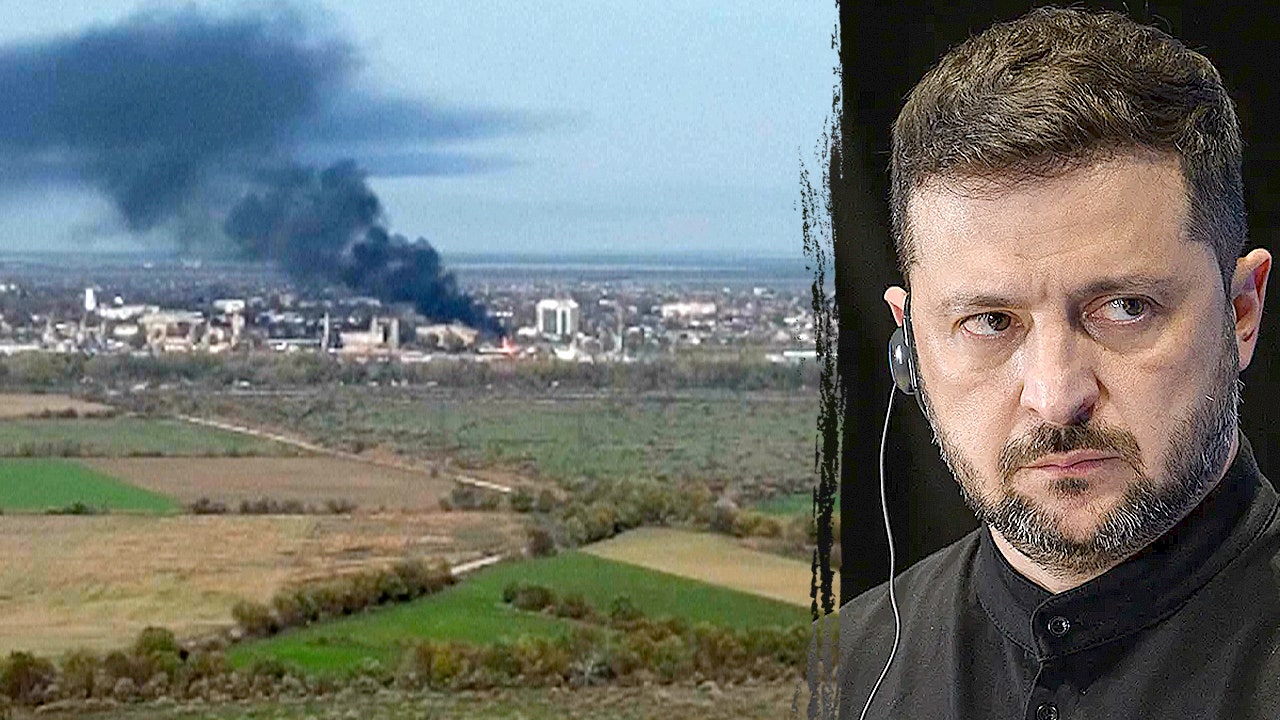
The MT Orinda, which was carrying liquefied petroleum gas, was hit while being offloaded at Izmail port, according to Turkey’s Directorate for Maritime Affairs. All 16 crew members were safely evacuated from the vessel. Video footage captured from the Romanian side of the river showed the ship engulfed in flames with thick black smoke billowing into the sky.
The attack occurred just one day after Ukrainian President Volodymyr Zelenskyy signed a significant deal to import U.S. liquefied natural gas through the area. During his visit to Greece, Zelenskyy finalized an agreement that will allow American LNG to flow to Odesa via pipelines from the northern Greek port of Alexandroupolis beginning in January.
The timing of the attack appears particularly significant as it targeted a key energy supply route just as Ukraine was securing alternative energy sources for the coming winter. The Zelenskyy administration has been working to diversify Ukraine’s energy supply amid persistent Russian attacks on the country’s power infrastructure.
Izmail, situated on the Black Sea estuary, represents one of Ukraine’s most crucial trade hubs, particularly since Russia withdrew from the U.N.-brokered Black Sea Grain Deal in 2023. The Danube corridor has subsequently grown in importance for Ukraine’s export capabilities, becoming a vital lifeline for the country’s agricultural and industrial shipments.
According to regional military head Oleh Kiper, the drone assault caused multiple fires and damaged several civilian vessels in the area. The attack is part of renewed Russian strikes targeting Odesa’s energy and port infrastructure, essential components of Ukraine’s economic survival during the ongoing conflict.
Following the explosion, Romanian authorities ordered the evacuation of residents from the villages of Plauru and Ceatalchioi in Tulcea County, located directly across the river from Izmail. Romania’s Defense Ministry reported that their radar systems had tracked several aerial targets during the night but detected no direct incursions into Romanian airspace.
“The Russian Federation’s forces attacked areas in Ukraine located in the vicinity of the river border with Romania on the night of Sunday, November 16th, to Monday, November 17th,” stated Romania’s Ministry of National Defense. “The Ministry of National Defense radar monitoring and surveillance systems detected and tracked targets that evolved in the Ukrainian airspace, in the proximity of Tulcea County.”
Romania has issued multiple alerts in recent months as Russian strikes near its border have intensified. The proximity of these attacks to NATO territory has raised security concerns within the alliance, which has responded by expanding air-defense operations under its Eastern Sentry initiative.
The strike highlights the increasingly precarious situation in the region, especially for Romania, which as a NATO member must carefully navigate the tensions created by the conflict unfolding just across its border. While no violations of Romanian airspace were reported in this instance, the incident demonstrates the potential for escalation and miscalculation.
For Ukraine, the attack represents another challenge to its efforts to maintain vital supply lines and secure energy resources ahead of winter. Zelenskyy’s U.S. gas deal aims specifically to address Ukraine’s winter energy needs as Russia continues its campaign of targeting power infrastructure across the country, leaving millions vulnerable to cold temperatures as winter approaches.
The targeting of civilian vessels and commercial shipping infrastructure also raises questions about Russia’s broader strategy to disrupt Ukraine’s economic lifelines and international trade connections, particularly as Ukraine works to establish alternative routes for its exports and energy imports.
Fact Checker
Verify the accuracy of this article using The Disinformation Commission analysis and real-time sources.

17 Comments
The drone strike on the tanker in Odesa is a troubling development. It highlights the fragility of Ukraine’s energy infrastructure and the lengths Russia will go to maintain its influence in the region.
Agreed. This attack demonstrates Russia’s willingness to use military force to disrupt Ukraine’s efforts to diversify its energy supplies.
The drone attack on the tanker in Odesa is a worrying escalation, especially given the recent Ukraine-US gas agreement. It’s clear Russia is trying to undermine Ukraine’s energy security and independence.
Absolutely. This strike is likely a direct response to Ukraine’s efforts to diversify its energy sources and reduce its reliance on Russia.
This incident raises serious questions about the vulnerability of energy infrastructure in the Black Sea region. It will be crucial for Ukraine and its allies to bolster defenses and pursue diversification of supply routes.
The drone strike on the Odesa tanker is a troubling escalation that comes at a critical time for Ukraine’s energy security. Russia seems determined to disrupt Ukraine’s efforts to secure alternative gas supplies.
You’re right, this attack is clearly aimed at undermining the recent Ukraine-US gas agreement. Russia is flexing its military muscle to try and maintain its regional dominance.
This attack on the tanker is a concerning development that highlights the fragility of Ukraine’s energy infrastructure. It’s evident Russia will go to great lengths to maintain its influence in the region.
This is a concerning escalation that underscores the fragility of Ukraine’s energy infrastructure. Russia seems determined to use military force to undermine Ukraine’s efforts to diversify its gas supplies.
This attack on the tanker in Odesa is a concerning escalation, especially given the recent Ukraine-US gas agreement. It seems Russia is trying to disrupt Ukraine’s efforts to secure alternative energy sources for the winter.
You’re right, the timing of this strike is quite strategic. Russia likely wants to undermine Ukraine’s energy security and leverage.
The timing of this drone attack on the Odesa tanker, following the Ukraine-US gas agreement, suggests Russia is trying to send a strong message and disrupt Ukraine’s energy security efforts.
Absolutely. This strike is a clear attempt by Russia to maintain its influence and leverage over Ukraine’s energy supply.
The drone attack on the tanker in Odesa is a troubling development that comes at a critical time for Ukraine’s energy security. It’s evident Russia will go to great lengths to disrupt Ukraine’s attempts to secure alternative gas sources.
You’re absolutely right. This strike is a clear attempt by Russia to maintain its influence and leverage over Ukraine’s energy supply.
This incident raises serious concerns about the safety and security of energy infrastructure in the Black Sea region. It will be critical for Ukraine and its allies to bolster defenses and secure alternative supply routes.
This incident raises serious concerns about the safety and security of energy infrastructure in the Black Sea region. Ukraine and its allies will need to take robust measures to protect critical supply routes and diversify energy sources.