


Listen to the article
A Russian court has extended the detention of an 18-year-old street musician, marking the third consecutive sentence in what human rights organizations are calling part of a systematic campaign to silence anti-war voices in the country.
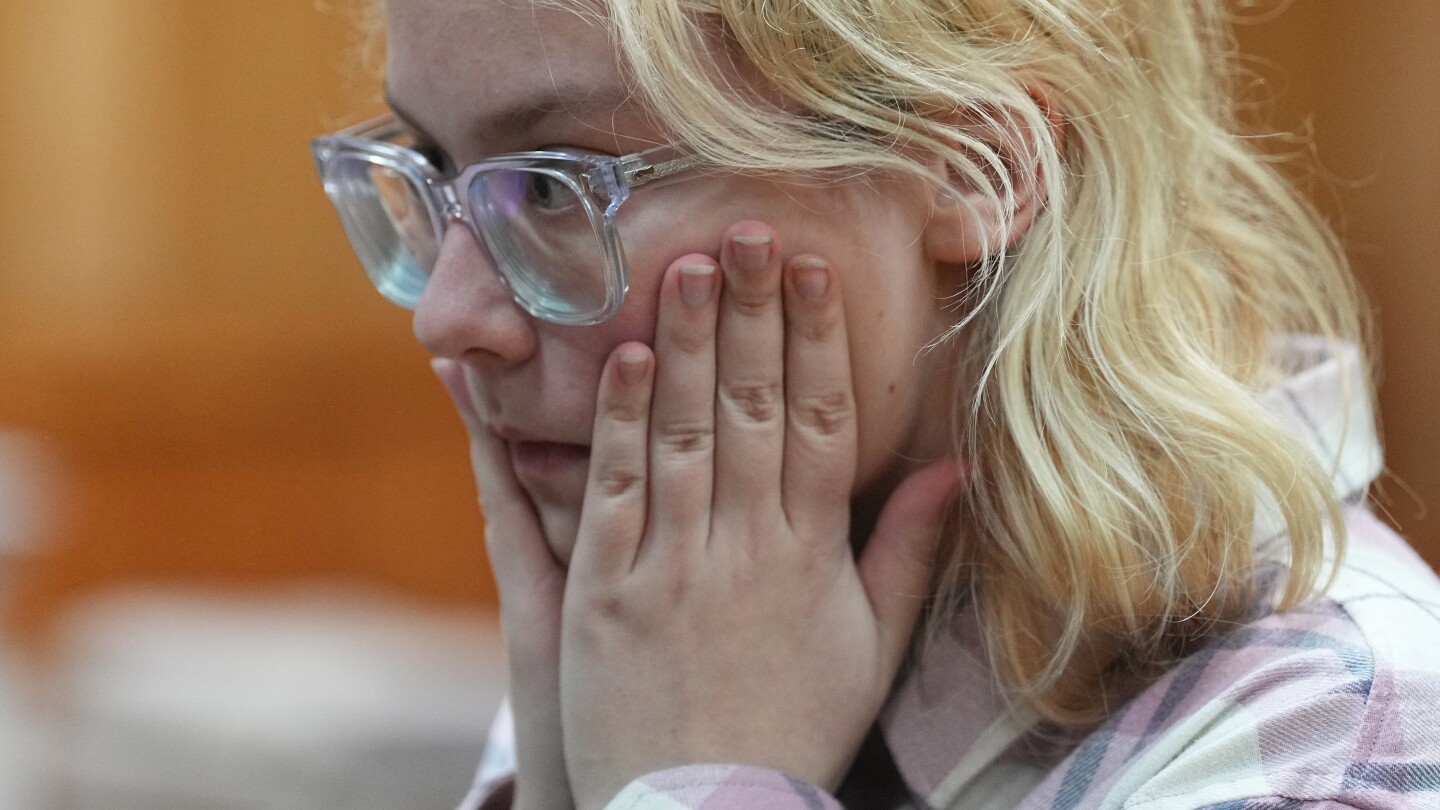
Diana Loginova, who performs under the stage name Naoko with the band Stoptime, will remain in custody for an additional 13 days following a ruling Tuesday by a St. Petersburg court. The charges stem from an October performance that authorities claim violated public order. Loginova has been continuously detained since her initial arrest on October 15 and has also been ordered to pay fines for “discrediting the Russian armed forces.”
Fellow band member Alexander Orlov faces similar repeated sentences. Both musicians have denied any wrongdoing in relation to the performances.
Amnesty International has condemned the practice of what they term “carousel arrests” – a tactic where authorities issue consecutive short detention periods to keep individuals in custody without filing more serious criminal charges that would require stronger evidence and potentially greater scrutiny.
“The repeated arrests of Naoko and her bandmates are punishment for their public performance, which have become a breath of fresh air in a country gasping under repression and self-censorship,” said Denis Krivosheev, Amnesty International’s deputy director for Eastern Europe and Central Asia.
According to human rights activists, Loginova and Stoptime became targets after performing songs by musicians who had opposed Russia’s February 2022 invasion of Ukraine and subsequently fled the country. Videos of their performances showing crowds joining in songs with lyrics critical of the Kremlin and the war gained significant traction online, drawing the attention of pro-government activists who demanded police intervention.
The case has sparked a wave of solidarity across Russia, with similar performances emerging in multiple cities. These demonstrations of support have led to additional arrests and fines for several performers, indicating authorities’ determination to prevent the spread of anti-war sentiment through artistic expression.
The crackdown on Loginova and Stoptime reflects a broader pattern of intensifying repression in Russia since the Ukraine invasion began. The Kremlin has systematically targeted independent media outlets, human rights organizations, civil society groups, LGBTQ+ activists, and selected religious communities in an effort to control the narrative surrounding the conflict.
Since February 2022, hundreds of Russians have been imprisoned for expressing opposition to the war, while thousands more have fled the country to escape persecution. The legal basis for many of these actions stems from laws enacted shortly after the invasion began, which criminalized the spread of what authorities deem “false information” about the Russian military or actions that “discredit” the armed forces.
Free speech advocates note that the vague wording of these laws allows for broad interpretation and application against virtually any form of protest or criticism. The prosecution of young musicians like Loginova represents an expansion of this crackdown to include cultural and artistic expression.
“Their only ‘crime’ is singing songs that challenge the suffocating official narrative,” Krivosheev stated, calling for the immediate and unconditional release of the detained musicians.
Legal experts observe that the repeated short-term detentions used against Loginova and Orlov allow authorities to effectively impose extended imprisonment while avoiding the procedural safeguards that would apply in cases involving longer sentences. This approach has become increasingly common in Russia’s handling of political dissent.
As Loginova begins her third consecutive detention period, international human rights organizations continue to highlight her case as emblematic of Russia’s deteriorating climate for free expression and the particular vulnerability of young activists to state repression.
Fact Checker
Verify the accuracy of this article using The Disinformation Commission analysis and real-time sources.

14 Comments
This is a concerning case of government crackdown on free expression. Arresting young musicians for anti-war performances is a worrying sign of shrinking civic space in Russia.
I agree, the repeated short-term detentions seem designed to harass and intimidate these artists rather than uphold the law.
While I understand the authorities want to maintain public order, jailing young musicians over street performances seems like an excessive and disproportionate response. Their anti-war message should be heard, not censored.
I agree, the punishment does not seem to fit the alleged crime here. Repeatedly detaining these artists is a concerning abuse of state power.
While the government may claim these artists are disrupting public order, the repeated short-term detentions appear to be more about punishing their anti-war views than upholding the law.
Absolutely. Detaining these musicians over street performances is a disproportionate and concerning response from the Russian authorities.
The repeated arrests and fines are clearly an effort to silence dissent and criticism of the war in Ukraine. Authorities should respect the right to peaceful protest and artistic expression.
Absolutely. Suppressing anti-war voices through ‘carousel arrests’ is an undemocratic tactic that undermines free speech.
It’s deeply troubling to see Russia cracking down on young artists and activists who are speaking out against the war. The repeated arrests are a clear attempt to silence dissent and criticism.
I agree, the authorities seem intent on stifling any public opposition to the war through these heavy-handed tactics. It’s a worrying trend.
This case highlights the shrinking space for critical voices and dissent in Russia. The government should focus on addressing the root causes of discontent rather than suppressing artistic expression.
Absolutely. Arresting musicians for anti-war performances sets a dangerous precedent and undermines fundamental freedoms.
This case highlights the shrinking space for free expression in Russia. Jailing young artists for their anti-war message is a troubling escalation of efforts to silence dissent.
I agree, the repeated arrests and fines are clearly an attempt to intimidate and punish these musicians for their political views.