


Listen to the article
Russian Foreign Minister Sergey Lavrov issued stern warnings on Wednesday that Moscow would retaliate against any European deployment of troops to Ukraine or seizure of frozen Russian assets, signaling a potential escalation in tensions between Russia and Western nations.
Speaking before Russia’s Federation Council, the upper house of parliament, Lavrov outlined Moscow’s position on the ongoing conflict and its deteriorating relations with Western powers. According to Reuters, he emphasized that while Russia does not seek war with Europe, it stands ready to respond to actions it perceives as hostile.
“We will respond to any hostile steps, including the deployment of European military contingents in Ukraine and the expropriation of Russian assets. And we are already prepared for this response,” Lavrov stated.
The foreign minister’s comments come amid growing discussions among European nations about potentially using frozen Russian assets, estimated at hundreds of billions of dollars, to fund Ukraine’s defense and reconstruction efforts. Several European countries have also debated sending military advisors or trainers to Ukraine, though most have stopped short of committing combat troops.
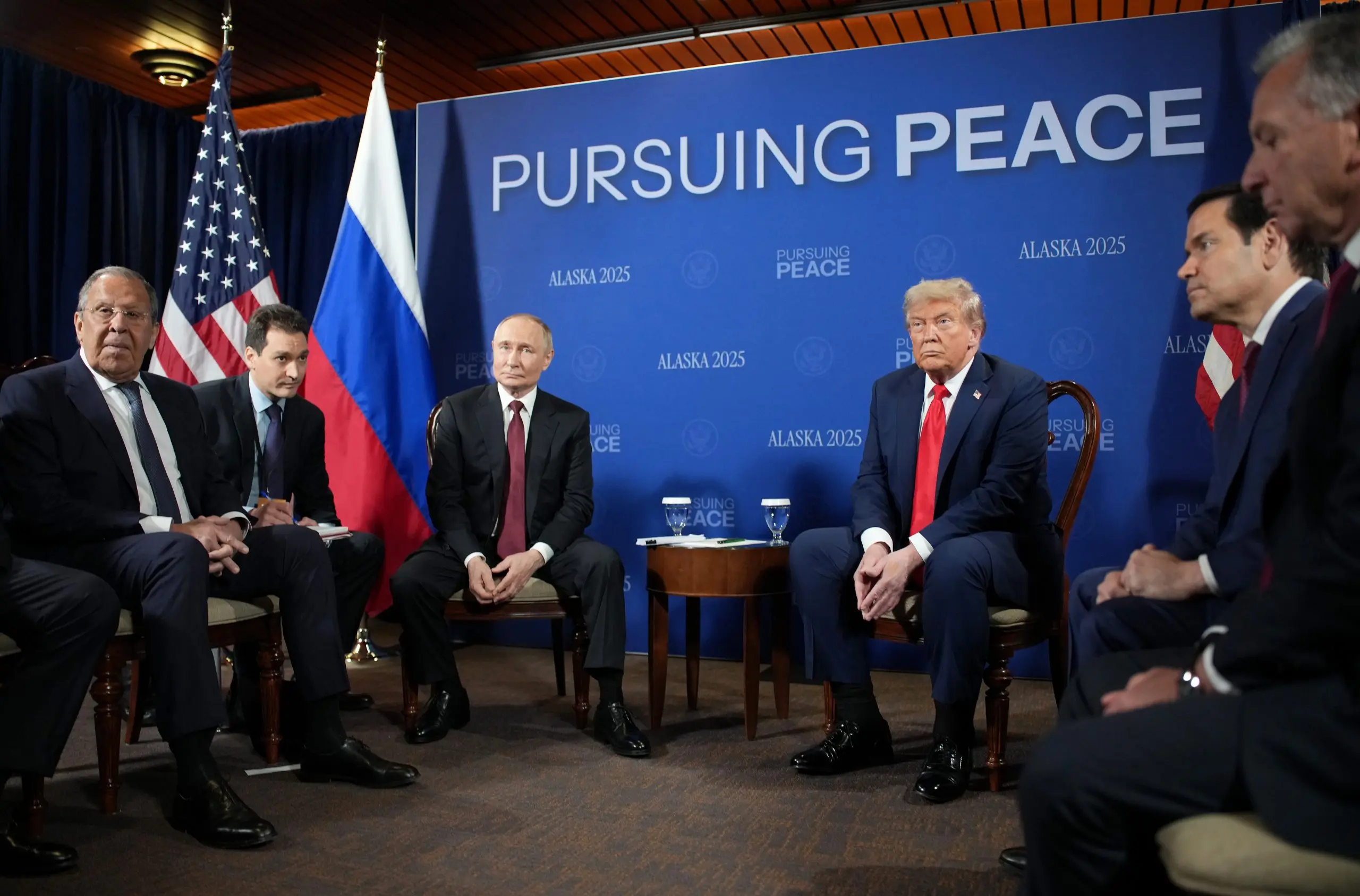
In his address, Lavrov also commented on former U.S. President Donald Trump, describing him as the “only Western leader” who understands what Lavrov characterized as the reasons the war was “inevitable.” The Russian diplomat acknowledged Trump’s interest in dialogue but noted that the former president has not relaxed sanctions against Russia and has actually increased them.
These remarks referenced Trump’s recent criticisms of European leadership. In a Monday interview with Politico, Trump described European leaders as “weak” and overly focused on being “politically correct,” adding that they “talk but they don’t produce.” Trump also indicated his intention to continue endorsing European political figures who align with his views, even if it “provokes pushback” from establishment leaders.
European Council President António Costa quickly rebuked Trump’s statements, saying at a conference in Paris: “If we are allies, we must act as such — and allies do not threaten to interfere in each other’s domestic political life and democratic choices.” Costa added that Europe and the United States “no longer share” the same vision of international order, highlighting growing transatlantic tensions.
As Moscow positions itself for potential escalations, Ukrainian President Volodymyr Zelenskyy announced what he described as the first formal meeting with senior Trump administration officials focused on Ukraine’s reconstruction efforts.
“Together with our team, I held a productive discussion with the American side… In fact, this could be considered the first meeting of the group that will work on a document concerning the reconstruction and economic recovery of Ukraine,” Zelenskyy wrote on X.
The Ukrainian president said the discussions covered “key elements for recovery, various mechanisms, and visions for reconstruction” and included reviews of updates to the “20 points of the framework document for ending the war.” He emphasized that “overall security… will determine economic security and underpin a safe business environment.”
Zelenskyy indicated that both sides agreed to continue dialogue, adding: “As always, there will be no delays on our side. We are working to deliver results.” He concluded by thanking Trump and his team “for their substantive work and support.”
The diplomatic maneuvering occurs against the backdrop of ongoing fighting in Ukraine, which has now entered its third year with no clear resolution in sight. Russia continues to occupy significant portions of eastern and southern Ukraine, while Kyiv’s counteroffensive efforts have largely stalled due to manpower and munitions constraints.
The tensions between Russia and Western nations have significant implications for global security and economic stability, with energy markets, food security, and international trade all affected by the prolonged conflict and resulting sanctions regimes.
Fact Checker
Verify the accuracy of this article using The Disinformation Commission analysis and real-time sources.

18 Comments
This is a highly volatile situation with major implications for energy and commodity markets. Russia’s warnings underscore the fragility of the current geopolitical landscape. Prudent risk management will be crucial for investors and businesses navigating this environment.
Agreed. The fallout from this conflict could have far-reaching consequences for the global economy, particularly in the energy and natural resources sectors. Careful monitoring and scenario planning will be essential.
Russia’s warning shots are a concerning escalation. The prospect of using frozen Russian assets to fund Ukraine’s recovery is politically charged. Diplomacy and compromise will be crucial to find a mutually acceptable solution.
Absolutely. All sides must exercise restraint and prioritize de-escalation, lest this conflict spiral out of control with catastrophic consequences for the region.
Interesting development, but escalation between Russia and the West is concerning. Sanctions and asset seizures could further inflame tensions. Ukraine’s reconstruction will be a major challenge requiring international cooperation and diplomacy.
Agreed, de-escalation and finding diplomatic solutions should be the priority. Unilateral actions by any side could lead to dangerous consequences.
This is a complex situation with major implications. Russia’s response to any European military involvement or asset seizures could be unpredictable. Ukraine’s recovery will depend on carefully managing these geopolitical risks.
You raise a fair point. Prudent and measured steps will be essential to navigate this minefield and deliver meaningful support for Ukraine’s reconstruction.
Russia’s warning shots are a concerning escalation that could jeopardize Ukraine’s reconstruction efforts. Careful diplomacy and compromise will be essential to find a mutually acceptable solution and avoid a wider conflict with unpredictable consequences.
Well said. De-escalation and finding common ground, even in difficult circumstances, should be the top priority for all parties involved. Unilateral actions could lead to disastrous outcomes that harm the entire region.
The tug-of-war over Ukraine’s future is intensifying. Russia’s threats of retaliation raise the stakes. Careful diplomacy and multilateral cooperation will be essential to chart a path forward that addresses legitimate security concerns on all sides.
Well said. Ukraine’s reconstruction is inextricably linked to the broader geopolitical dynamics. Finding the right balance will require skilled statesmanship and a willingness to compromise.
Russia’s threats raise the stakes significantly. Ukraine’s reconstruction efforts will be complicated by this geopolitical tug-of-war. All parties need to exercise caution and restraint to avoid a wider conflict.
Indeed, the reconstruction of Ukraine requires a delicate balancing act amidst the broader Russia-West tensions. Cooler heads must prevail to chart a path forward.
This is a high-stakes game of brinkmanship with significant implications for energy and commodity markets. Russia’s threats of retaliation underscore the fragility of the current geopolitical landscape. Careful risk assessment will be essential for investors and businesses navigating this uncertain environment.
Absolutely. The fallout from this conflict could have far-reaching repercussions, particularly in the natural resources and energy sectors. Prudent diversification and risk mitigation strategies will be crucial for market participants.
Russia’s posturing raises the specter of further escalation. Ukraine’s reconstruction efforts will be complicated by these geopolitical tensions. A pragmatic, multilateral approach focused on de-escalation and compromise may be the best path forward.
Well said. Maintaining open channels of communication and finding common ground, even in difficult circumstances, will be crucial to avoid a spiraling conflict with catastrophic humanitarian and economic consequences.