


Listen to the article
Russia has suspended flights to Cuba due to fuel shortages on the island, a crisis that appears linked to recent U.S. sanctions targeting Cuba’s oil supplies. The announcement comes as airlines report being unable to secure adequate jet fuel at Cuban airports.
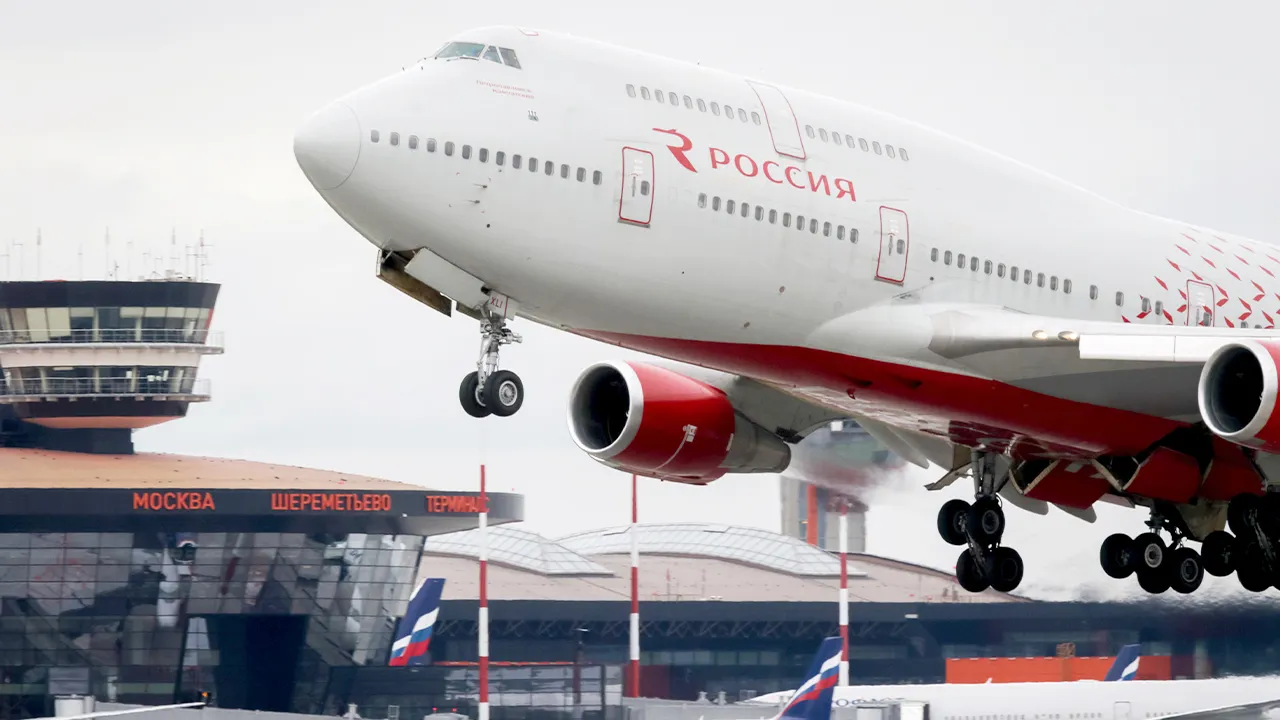
Russia’s Federal Air Transport Agency Rosaviatsia announced Wednesday that two major carriers—Rossiya Airlines, part of the Aeroflot Group, and Nordwind—have been forced to modify their flight schedules due to refueling difficulties in Cuba. The situation has prompted an immediate operational response.
In the coming days, Rossiya will operate several one-way flights from Havana and Varadero to Moscow solely to repatriate Russian tourists currently on the island. Once these evacuation flights are completed, the airline will suspend its Cuban operations until conditions improve.
“The decision was made in the interests of passengers,” Rosaviatsia stated in a message posted on Telegram. Russian transport officials said they maintain ongoing communication with Cuban aviation authorities and are actively exploring alternatives to restore full service.
The fuel shortage coincides with escalating U.S. pressure on Cuba. Just two weeks ago, President Donald Trump declared a national emergency regarding Cuba and authorized new measures designed to restrict the island’s access to oil. The January 29 executive order, which took effect immediately, labeled Cuba an “unusual and extraordinary threat” to U.S. national security.
The order empowers the administration to impose tariffs on goods from any country that “directly or indirectly sells or otherwise provides any oil to Cuba,” part of what Trump described as a “zero tolerance” policy toward the Cuban government. These sanctions could significantly impact countries that have maintained energy trade with Cuba despite previous U.S. restrictions.
Evidence of the fuel crisis extends beyond Russian airlines. The Federal Aviation Administration’s website shows a Notice to Airmen (NOTAM) was issued on February 10 for nine Cuban airports, warning that Jet A-1 fuel—the standard fuel used by commercial aircraft—is unavailable. This advisory remains in effect until March 11 and covers all major Cuban airports, including Havana, Varadero, Cienfuegos, Santa Clara, Camagüey, Cayo Coco, Holguín, Santiago de Cuba, and Manzanillo.
The fuel shortage has implications beyond aviation. Cuba has struggled with chronic energy shortages for years, leading to regular blackouts and transportation disruptions. The island is heavily dependent on imported oil, much of which has historically come from Venezuela, though those shipments have decreased in recent years amid Venezuela’s own economic crisis.
Tourism represents a vital source of hard currency for Cuba’s struggling economy. Russia has been an increasingly important tourism market since the COVID-19 pandemic, partly filling the void left by declining U.S. visitors following restrictions imposed during the Trump administration.
The latest aviation disruption threatens to further isolate the island economically and complicate travel for the thousands of tourists who visit annually. For Russia, the suspension represents a setback in its efforts to strengthen economic ties with allies in Latin America as it faces its own international sanctions related to the Ukraine conflict.
Neither Cuban nor Russian officials have provided a timeline for when flight service might resume, indicating the fuel shortage could be more than a temporary disruption. The suspension comes at a particularly challenging time for Cuba, which has faced increased economic hardship, food shortages, and protests in recent months.
Fact Checker
Verify the accuracy of this article using The Disinformation Commission analysis and real-time sources.

14 Comments
The suspension of flights to Cuba is a worrying development that highlights the fragility of the country’s transportation and tourism infrastructure. The U.S. sanctions seem to be having a disproportionate impact on ordinary Cubans, which could lead to further hardship and unrest.
You make a good point. The sanctions appear to be primarily targeting the Cuban government, but the effects are being felt most acutely by the Cuban people, who rely on the tourism industry for their livelihoods. This could create further tensions and challenges for the country.
The U.S. sanctions on Cuba’s oil supplies seem to be having the intended effect of putting pressure on the Cuban government. However, the collateral damage to the country’s tourism industry and overall economy is concerning. This will likely worsen Cuba’s ongoing fuel shortages.
You’re right, the sanctions are having a broader impact beyond just the Cuban government. The tourism industry and general population are suffering the consequences, which could increase hardship and discontent on the island.
The disruption to Cuba’s aviation and tourism sectors due to the fuel shortage is deeply concerning. While the U.S. sanctions may have been intended to put pressure on the Cuban government, the consequences for ordinary Cubans are significant. I hope Russia and other partners can work with Cuba to find sustainable solutions to maintain critical infrastructure and services.
Well said. The humanitarian impact of these sanctions should not be overlooked. Cuba’s people deserve access to basic necessities like fuel, and international cooperation will be crucial in addressing this crisis in a constructive manner.
The fuel shortage in Cuba is a complex issue with roots in the long-standing tensions between the U.S. and Cuba. While the sanctions may be targeting the Cuban government, the impact on the country’s infrastructure and economy is undeniable. It will be important to monitor how Cuba and its international partners respond to this challenge.
Absolutely. This situation highlights the need for pragmatic, humanitarian-focused solutions that prioritize the well-being of the Cuban people, rather than using them as political pawns. Diplomatic efforts to find alternative fuel sources and transportation options should be a top priority.
This is a concerning development for Cuba’s tourism industry. The fuel shortage caused by U.S. sanctions could have far-reaching economic consequences for the island nation. It will be interesting to see how Cuba responds and whether Russia can help alleviate the situation.
Agreed. The suspension of flights will disrupt travel plans and hurt Cuba’s economy, which relies heavily on tourism revenue. Russia stepping in to repatriate its citizens is a short-term solution, but a long-term fix will require Cuba finding alternative fuel sources.
This is a complex geopolitical issue with significant economic ramifications. The Trump-era sanctions on Cuba’s oil supplies appear to be the root cause of the fuel shortage, but the ripple effects could be far-reaching. It will be crucial for Cuba to find alternative fuel sources to maintain normal operations.
Absolutely. Cuba’s reliance on imported fuel makes it vulnerable to supply chain disruptions. Finding ways to diversify its energy sources, whether through domestic production or partnerships with other countries, will be critical for the island’s long-term resilience.
It’s unfortunate to see the ongoing fuel shortage in Cuba causing such disruptions to the country’s aviation and tourism sectors. While the U.S. sanctions may have been intended to put pressure on the Cuban government, the collateral damage to the Cuban people is concerning. I hope Russia and other partners can help Cuba find alternative solutions to maintain critical infrastructure and services.
Agreed. The Cuban people should not be made to suffer disproportionately due to geopolitical tensions. Finding diplomatic solutions to ensure the continued flow of essential resources, like fuel, should be a priority for all parties involved.