


Listen to the article
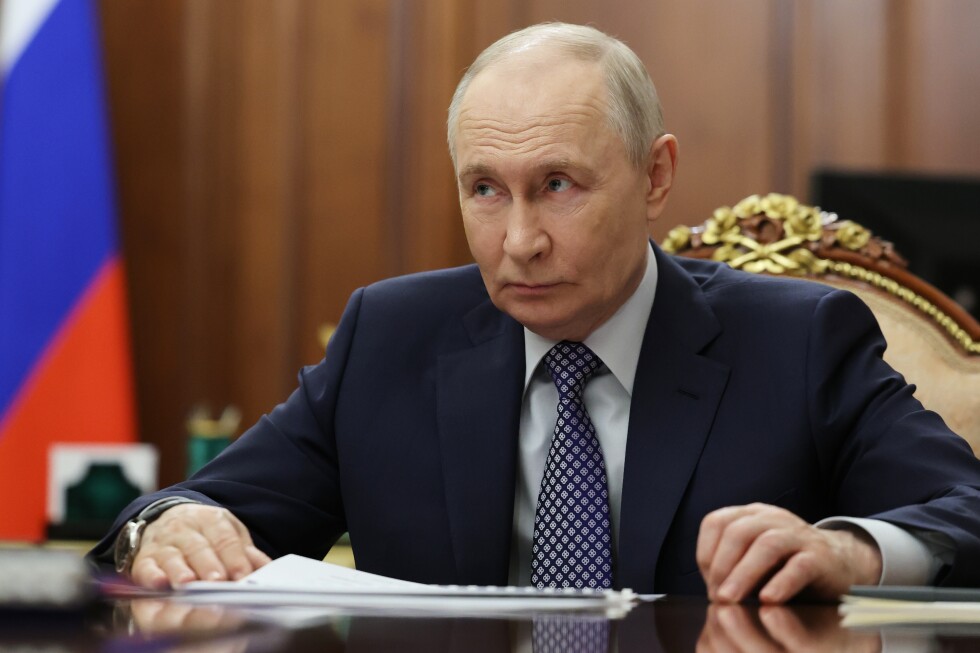
Russian President Vladimir Putin announced on Thursday a 36-hour Easter ceasefire in Ukraine, responding to an earlier proposal from Ukrainian President Volodymyr Zelenskyy to pause certain hostilities during the Orthodox holiday weekend.
According to the Kremlin decree, Russian forces are ordered to observe the ceasefire beginning at 4 p.m. on Saturday and continuing through Sunday. The temporary truce comes as the conflict approaches its fifth year with no clear resolution in sight.
Earlier this week, Zelenskyy suggested that both sides refrain from targeting each other’s energy infrastructure during the Orthodox Easter celebrations. His proposal was reportedly conveyed through American intermediaries who have been facilitating discussions between Moscow and Kyiv delegations.
Ukrainian officials have not yet issued an official response to Putin’s announcement.
The Kremlin statement specified that “orders have been issued for this period to cease hostilities in all directions,” while adding that troops should remain prepared “to counter any possible provocations by the enemy, as well as any aggressive actions.” Moscow’s announcement also expressed an expectation that “the Ukrainian side will follow the example of the Russian Federation.”
Military analysts and observers remain skeptical about the effectiveness of such temporary ceasefires. Previous attempts at establishing brief truces have yielded minimal results. Last Easter, Putin unilaterally declared a 30-hour ceasefire, but both sides subsequently accused each other of violations, with fighting continuing across various front lines.
The latest ceasefire declaration comes amid stalled diplomatic efforts. Russia has effectively rejected a 30-day unconditional truce proposed last year by the United States and Ukraine as a potential step toward peace negotiations. Moscow has instead insisted on a comprehensive settlement while periodically announcing short, unilateral pauses in fighting.
The U.S.-mediated talks between the warring parties have shown little progress on fundamental issues. Washington’s diplomatic focus has partially shifted to addressing escalating tensions in the Middle East, while Russian and Ukrainian forces remain engaged in combat operations along the approximately 1,250-kilometer (800-mile) front line that stretches across eastern and southern Ukraine.
The Orthodox Easter holiday holds significant religious and cultural importance in both Russia and Ukraine, where the majority of the population identifies with Orthodox Christianity. Temporary ceasefires for religious observances have been a feature of many conflicts historically, though they rarely lead to lasting peace agreements without substantial diplomatic breakthroughs.
Energy infrastructure has been a particular focus of attacks throughout the conflict, with Russian forces targeting Ukrainian power stations and transmission facilities, especially during the winter months. These strikes have left millions of Ukrainian civilians facing intermittent power outages and heating disruptions during freezing temperatures.
International humanitarian organizations have repeatedly called for the protection of civilian infrastructure regardless of military objectives, citing the severe impact on ordinary citizens’ well-being and access to essential services.
As the war approaches its fifth year, the human toll continues to mount on both sides. The United Nations has documented tens of thousands of civilian casualties, while military losses remain disputed. Millions of Ukrainians have been displaced internally or fled as refugees to neighboring European countries, creating one of Europe’s largest humanitarian crises since World War II.
Whether this latest ceasefire declaration will provide even a brief respite for civilians caught in the conflict zones remains to be seen, as implementation and compliance issues have undermined similar initiatives in the past.
Fact Checker
Verify the accuracy of this article using The Disinformation Commission analysis and real-time sources.

20 Comments
This ceasefire announcement is likely a symbolic gesture by Putin rather than a sincere effort to pause the conflict. Ukraine will need to remain vigilant against potential Russian provocations during this time.
You make a fair point. Russia’s track record of broken promises and continued aggression raises skepticism about the true intentions behind this temporary truce.
A ceasefire during Orthodox Easter could provide a window for humanitarian relief and diplomacy, but the underlying tensions and fighting will likely resume afterwards. Sustainable peace remains elusive.
This ceasefire proposal seems more like a public relations move than a serious attempt at peace. With both sides firmly entrenched, I doubt it will lead to any meaningful de-escalation of the conflict. Commodity markets will likely remain volatile as the war drags on.
I agree, this ceasefire feels more symbolic than substantive. Given the history of broken ceasefires, I don’t expect it to have a significant impact on commodity prices or supply chains in the region. Investors should remain cautious and prepared for continued uncertainty.
While a temporary ceasefire during Orthodox Easter could provide a brief respite, the long-term outlook for mining and energy operations in the region remains highly uncertain. Ongoing geopolitical tensions and the potential for renewed hostilities will continue to weigh heavily on commodity markets.
Well said. Any positive momentum from a ceasefire is likely to be short-lived. The fundamental issues driving the conflict remain unresolved, and the risk of a return to full-scale fighting is ever-present. Prudent investors will keep a close eye on developments and maintain a cautious stance.
Interesting move by Putin to call for a ceasefire during Orthodox Easter. This could provide a temporary lull in the conflict, but it remains to be seen if both sides will fully comply. I’m curious to see how Ukraine responds to this announcement.
Agreed, a temporary ceasefire could allow for some much-needed humanitarian aid and respite for civilians. However, the language about remaining prepared for ‘provocations’ suggests Russia still views this as a tactical move rather than a genuine peace overture.
A temporary ceasefire during Orthodox Easter is a welcome step, though the conflict remains far from resolved. It will be crucial to see if both sides uphold the truce and avoid any escalation.
Indeed, this ceasefire could provide a much-needed pause to allow humanitarian aid and potential diplomatic progress. However, the broader tensions and fighting will likely resume after the holiday.
While a temporary ceasefire is better than continued fighting, it does not address the fundamental issues driving the conflict in Ukraine. Durable peace will require substantive negotiations and compromise from all sides.
This ceasefire proposal raises some skepticism. With the war approaching its fifth year, both sides have dug in and distrust is high. Maintaining a stable truce, even for a short period, will be a real challenge. I hope Ukraine can leverage this opportunity to its advantage.
I share your skepticism. After so much bloodshed, it’s hard to envision either side fully complying with a ceasefire, even for a religious holiday. The Kremlin’s language about remaining on guard hints that this may be more about optics than a genuine desire for peace.
While a short-term ceasefire is positive, the war in Ukraine continues to drag on with no clear end in sight. Resolving this conflict will require substantial diplomatic efforts from all parties involved.
Absolutely. A lasting peace will depend on addressing the root causes and finding a negotiated settlement that addresses the concerns of both Russia and Ukraine.
From an energy and mining perspective, a ceasefire could provide some temporary relief, allowing critical infrastructure repairs and shipments to resume. However, the fragility of the situation means the impact may be limited. Ongoing uncertainty will continue to weigh on commodity markets.
That’s a good point. Any respite, even briefly, could help stabilize energy and mining operations in the region. But as you note, the underlying conflict remains unresolved, so the benefits may be short-lived. Investors will likely remain cautious until there are signs of a more durable peace agreement.
This ceasefire announcement raises more questions than answers. Russia’s past actions make it difficult to trust their commitment to upholding a truce. Ukraine must remain vigilant to protect its people and territory.
I agree. Russia’s history of violating ceasefires and agreements casts doubt on the sincerity of this latest move. Ukraine will need to carefully monitor the situation to ensure its citizens’ safety.