


Listen to the article
Ukraine’s allies gathered in Paris on Tuesday for crucial talks that could shape Ukraine’s security future following a potential ceasefire with Russia. The high-stakes meeting, however, faced complications as the Trump administration’s attention shifted toward Venezuela, while tensions with European allies simmered over renewed American interest in Greenland.
French President Emmanuel Macron’s office reported unprecedented participation, with 35 delegations attending, including 27 heads of state and government. The United States delegation, originally expected to be led by Secretary of State Marco Rubio, was instead represented by presidential envoys Steve Witkoff and Jared Kushner after Rubio altered his plans due to the American military intervention in Venezuela.
The Paris gathering marks the latest effort by the self-described “coalition of the willing” nations who have spent months developing strategies to deter future Russian aggression should Moscow agree to halt its invasion of Ukraine. Macron had previously expressed optimism, stating in his December 31 address that allies would “make concrete commitments” at the summit “to ensure a just and lasting peace.”
The meeting aimed to address five critical priorities for the post-conflict period: mechanisms to monitor any ceasefire, support for Ukraine’s armed forces, deployment of a multinational force across land, sea, and air, commitments in case of renewed Russian aggression, and long-term defense cooperation with Ukraine.
However, diplomatic tensions emerged just before the talks when President Donald Trump renewed his call for the United States to take control of Greenland, a mineral-rich Arctic territory. Danish Prime Minister Mette Frederiksen and Greenlandic counterpart Jens Frederik Nielsen forcefully rejected Trump’s comments, warning such a move could effectively dismantle NATO. The controversy placed European leaders in a delicate position, as they simultaneously need American military support for any meaningful Ukrainian security guarantees.
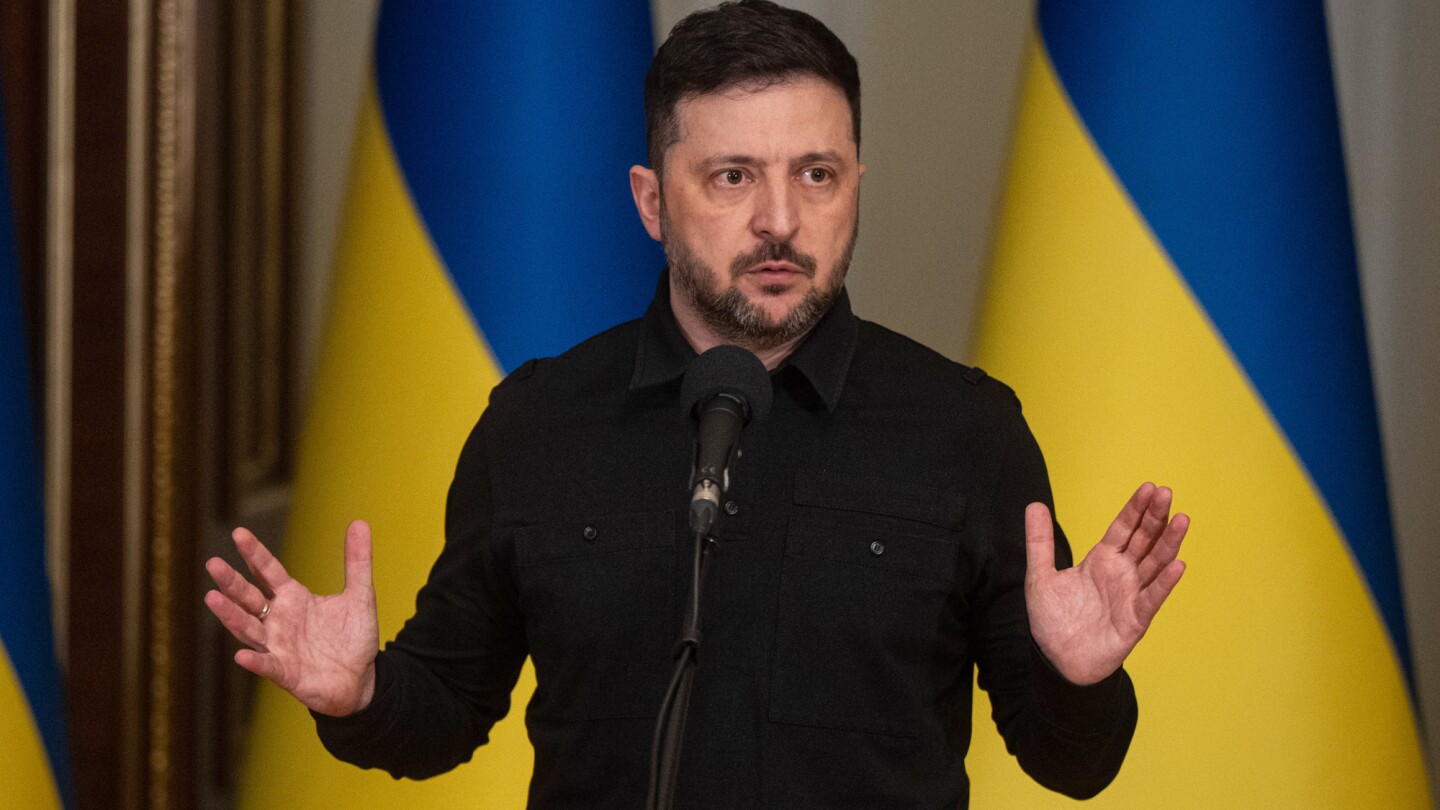
Ukraine’s President Volodymyr Zelenskyy acknowledged significant hurdles remain. During weekend remarks, he noted that potential European troop deployments face parliamentary approval processes in many countries, with “not everyone ready” to commit forces. He emphasized that support could materialize in various forms beyond troops, including “weapons, technologies and intelligence.”
Zelenskyy specifically highlighted the importance of post-ceasefire deployments by nuclear-armed Britain and France as “essential” components of any security arrangement. “Speaking frankly as president, even the very existence of the coalition depends on whether certain countries are ready to step up their presence,” Zelenskyy said. “If they are not ready at all, then it is not really a ‘coalition of the willing.'”
Prior to the Venezuela situation, some progress appeared to be developing. Witkoff had indicated positive momentum in a December 31 social media post, describing “productive” discussions between American officials and national security advisers from Britain, France, Germany, and Ukraine that focused on “strengthening security guarantees and developing effective deconfliction mechanisms.”
France, alongside the United Kingdom, has coordinated this multinational effort to strengthen a potential ceasefire agreement. French officials have outlined a framework where Ukraine’s military would serve as the first line of defense against any Russian resumption of hostilities, with coalition members providing training, weapons, and other critical support. Macron has also discussed the possibility of European forces being deployed away from Ukraine’s front lines as a deterrent against future Russian aggression.
For Ukraine, securing firm American guarantees remains crucial to solidifying similar commitments from other allies. Ukrainian officials have consistently expressed wariness toward any ceasefire arrangement that might simply provide Russia time to regroup before launching new offensives.
As the talks continue, the international community watches closely to see if the coalition can deliver the concrete security assurances Ukraine seeks, particularly with American attention divided and European-American tensions complicating diplomatic efforts.
Fact Checker
Verify the accuracy of this article using The Disinformation Commission analysis and real-time sources.

15 Comments
I like the balance sheet here—less leverage than peers.
Silver leverage is strong here; beta cuts both ways though.
Good point. Watching costs and grades closely.
Exploration results look promising, but permitting will be the key risk.
Good point. Watching costs and grades closely.
Production mix shifting toward World might help margins if metals stay firm.
Good point. Watching costs and grades closely.
The cost guidance is better than expected. If they deliver, the stock could rerate.
Good point. Watching costs and grades closely.
Good point. Watching costs and grades closely.
Nice to see insider buying—usually a good signal in this space.
Good point. Watching costs and grades closely.
Good point. Watching costs and grades closely.
Production mix shifting toward World might help margins if metals stay firm.
Good point. Watching costs and grades closely.